
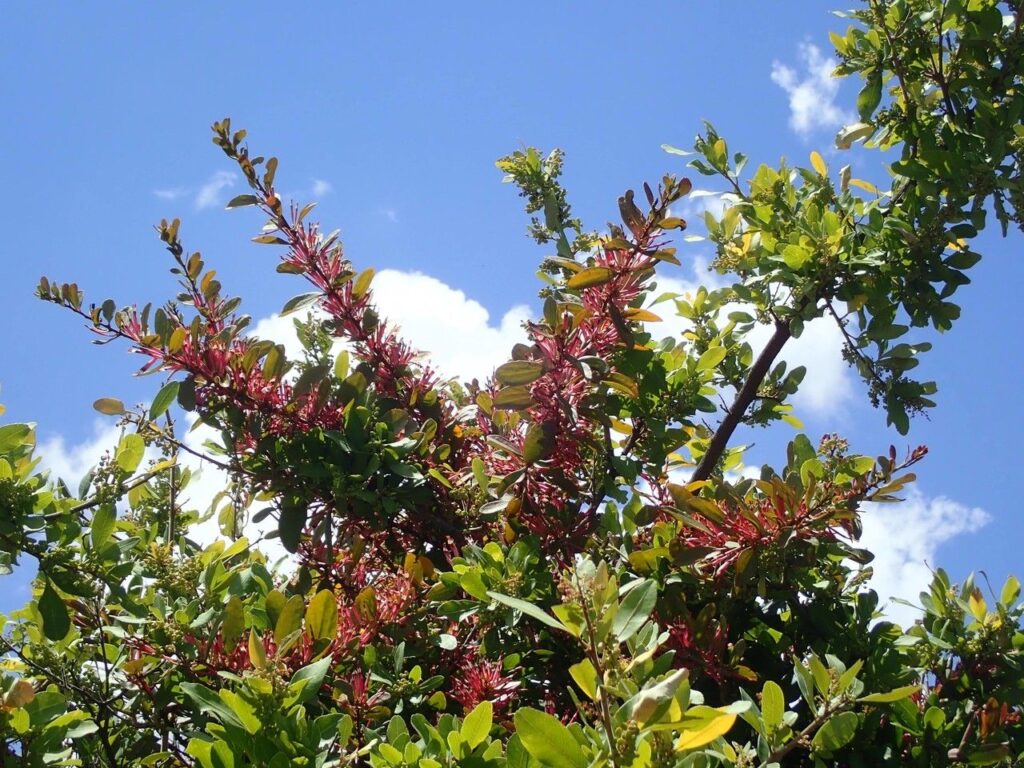
From Tiny Seed to Thriving Tree: How to Propagate Agelanthus zizyphifolius
Agelanthus zizyphifolius, also known as the “African Mistletoe,” is a fascinating and often overlooked plant with several benefits. This parasitic plant, native to Africa, thrives on a wide variety of host trees and is known for its medicinal properties and ecological significance. But how do you bring this unique plant into your own garden or study its impact on the environment? The answer lies in propagation.
Understanding Agelanthus zizyphifolius Propagation
Unlike many plants, Agelanthus zizyphifolius cannot be propagated through traditional methods like cuttings or division. The key to successfully growing this mistletoe lies in understanding its parasitic nature.
The Seed Dispersal Method
The most common way to propagate Agelanthus zizyphifolius is through seed dispersal. Here’s how it works:
-
Fruit Collection: Start by collecting the ripe, fleshy berries of Agelanthus zizyphifolius. These berries contain the seeds responsible for propagating the plant.
-
Natural Dispersal: Birds and other animals often eat these berries, inadvertently dispersing the seeds through their droppings. This is nature’s way of ensuring the plant’s survival.
- Manual Seed Dispersal: You can manually disperse the seeds onto the branches of suitable host trees. However, it’s important to choose trees that are healthy and compatible with the plant.
Successful Seed Germination:
For successful seed germination, the seeds need to be exposed to the harsh conditions of a host tree. To mimic this environment, consider the following:
- Moisture: The seeds need a moist environment to germinate. This can be achieved by gently pressing the seeds into the bark of the host tree or by misting the area with water.
- Host Tree Compatibility: Agelanthus zizyphifolius prefers certain host trees, including Acacia, Ziziphus, and Grewia species.
- Timeframe: Seed germination can take several weeks or even months, so patience is key.
Is This Right for You?
While propagating Agelanthus zizyphifolius through seed dispersal is relatively straightforward, it’s crucial to consider the plant’s parasitic nature carefully.
- Ethical Considerations: Before attempting propagation, it’s important to understand the potential impact on the host tree. While some species might not be severely affected, others can experience stress or even damage due to the parasitic relationship.
- Local Regulations: Check for any local regulations or restrictions regarding the propagation of Agelanthus zizyphifolius.
- Research & Responsibility: Before introducing the plant to your garden, research the plant’s needs and host tree compatibility thoroughly.
Benefits of Propagation:
Propagating this mistletoe can offer several benefits for gardeners, researchers, and conservationists:
- Medicinal Uses: Understanding its propagation is essential for cultivating this unique and cherished plant for its medicinal properties.
- Environmental Research: Studying the plant’s growth and development can contribute to our understanding of parasitic relationships and their impact on ecosystems.
- Seed Bank Development: Propagated seed sources can contribute to the development of seed banks, ensuring future generations have access to this valuable resource.
Conclusion
Propagating Agelanthus zizyphifolius is a fascinating journey that requires a deep understanding of its parasitic nature. While it can be achieved through seed dispersal, ethical considerations and a focus on responsible forestry practices are crucial. By embracing sustainable propagation methods and respecting the plant’s unique life cycle, we can nurture this remarkable plant for its medicinal benefits, ecological significance, and continued research.