
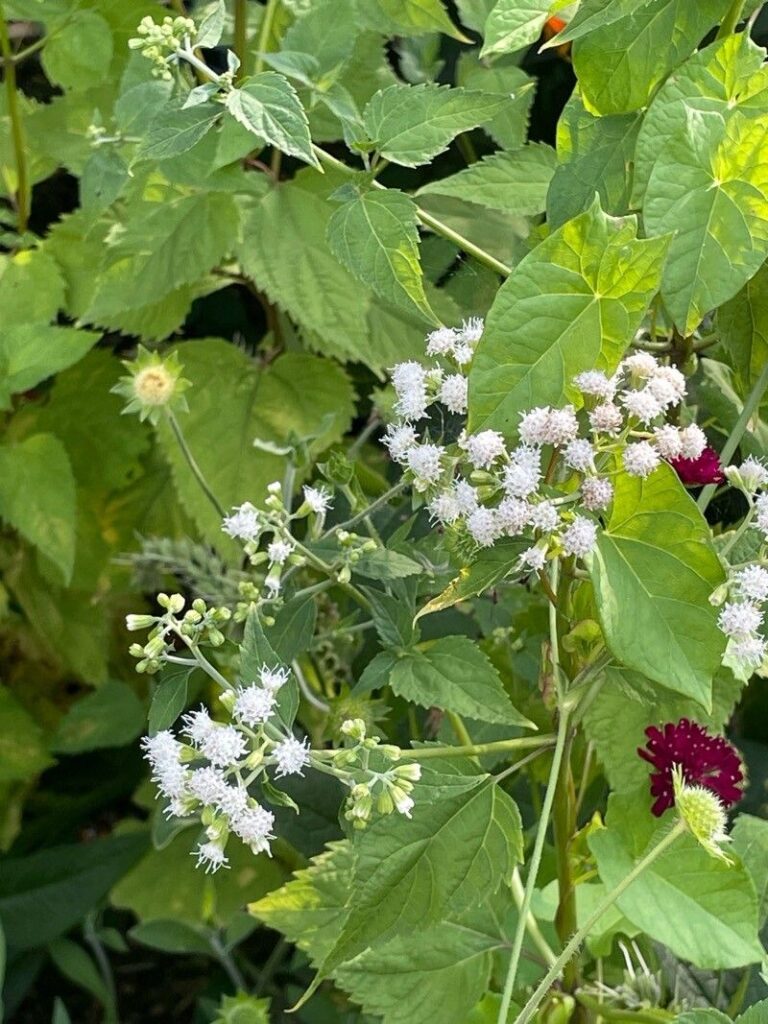
Don’t Let White Snakeroot Bite: Propagation and Control of a Toxic Plant
Ageratina altissima, commonly known as white snakeroot, may sound harmless, but this plant packs a dangerous punch. Containing tremetol, a toxin that can cause milk sickness in livestock and even humans, this invasive species is best avoided. However, understanding its propagation methods is crucial for effective control and prevention.
Why Should We Care?
White snakeroot’s spread can be disastrous. Its toxic leaves can contaminate milk and meat when consumed by livestock, leading to milk sickness, a debilitating and often fatal condition. Historically, milk sickness outbreaks have plagued communities, with even iconic figures like Abraham Lincoln’s mother succumbing to the disease.
Understanding White Snakeroot’s Reproduction
White snakeroot reproduces primarily through seeds, which are dispersed easily by wind and water. Just one plant can produce thousands of seeds, ensuring swift and aggressive spread.
- Seeds: White snakeroot seeds germinate readily in disturbed areas with full sun exposure. These seeds can remain viable in the soil for several years, making eradication a persistent challenge.
- Root System: Similar to other invasive plants, white snakeroot has an extensive and deeply rooted system. Fragmentation of the root system during manual removal or digging can lead to the development of new plants, further complicating control efforts.
Effective Control Strategies:
- Manual Removal: While seemingly straightforward, manual removal requires careful attention to prevent root fragmentation. It’s best to pull the plant before it goes to seed and dispose of the plant matter in sealed plastic bags.
- Herbicides: In some cases, selective herbicides can be used to control white snakeroot. Consulting with local experts or agricultural specialists for effective application techniques is critical.
- Prevention: Understanding white snakeroot’s propagation mechanisms is vital for prevention. Avoid disturbing the soil in areas where it’s present, and be vigilant about early detection and removal.
Beyond Control: Ecosystem Impacts
White snakeroot’s invasive tendencies threaten native plant species. Its rapid growth and ability to outcompete native flora disrupt biodiversity and create imbalances in the delicate ecosystem balance.
Protecting Ourselves and Our Environment:
Knowing the dangers of white snakeroot and its propagation methods allows us to take proactive steps. Early detection, careful removal techniques, and responsible stewardship are crucial for managing this invasive plant and safeguarding our environment.
By remaining informed and practicing responsible land management, we can effectively combat white snakeroot and protect our communities from its devastating effects. Let’s work together to keep this dangerous plant under control and maintain a healthy ecosystem for all.