
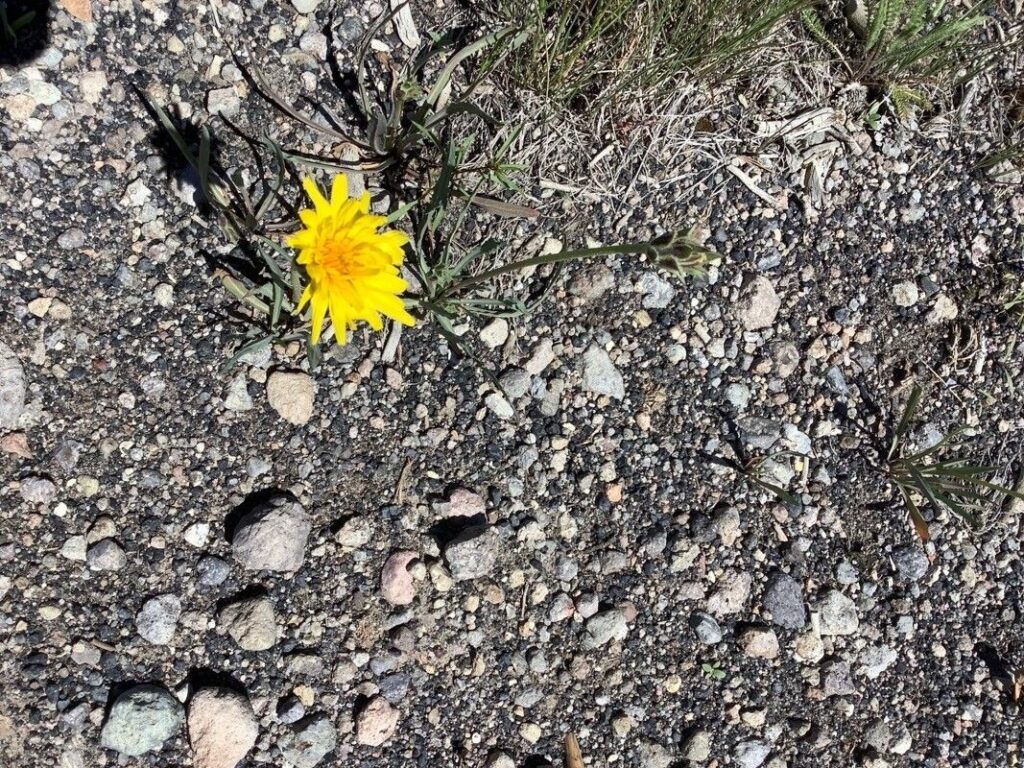
Untamed Beauty: How to Spread the Cheer with Agoseris Glauca
Agoseris glauca, also known as the pale agoseris or prairie agoseris, might not be the first plant that springs to mind when you think of gardening. This North American native, boasting sunshine-yellow blooms reminiscent of dandelions, often gets overlooked. However, its hardiness, cheerful disposition, and ability to thrive in challenging conditions make it an attractive addition to wildflower meadows, rock gardens, or even naturalistic landscaping. Intrigued? Let’s delve into the world of Agoseris glauca propagation and discover how to invite this resilient beauty into your outdoors.
Two Paths to Propagation:
Agoseris glauca offers two primary methods of propagation:
1. Seed Sowing: Embracing the Wild Spirit
For a true taste of nature’s lottery, seed sowing is the most common and rewarding method.
- Timing is Key: Begin sowing in early spring, directly after the last frost, or in early fall.
- Location, Location, Location: Choose a spot with well-drained soil and full sun exposure, though this resilient plant can tolerate partial shade.
- Sowing the Seeds: Scatter the seeds on the soil surface and lightly rake them in, ensuring good soil-to-seed contact.
- Water, But Don’t Drown: Keep the soil consistently moist but avoid overwatering.
- Patience is a Virtue: Germination can take anywhere from a few weeks to a couple of months, so don’t fret if you don’t see sprouts immediately.
2. Division: Sharing is Caring
For a head start and to multiply your existing Agoseris glauca plants, division is an effective method.
- Time to Divide: Early spring, when new growth emerges, is the ideal time.
- Gentle Separation: Carefully dig up the plant, ensuring you get a good root mass. Using a sharp, clean knife or garden shears, divide the plant into sections, each with several healthy shoots and roots.
- Replanting: Replant the divisions at the same depth they were originally growing and water them well.
Nurturing Your Agoseris Glauca:
While incredibly low-maintenance, a little care goes a long way:
- Watering: Once established, Agoseris glauca is relatively drought-tolerant, requiring watering only during extended dry periods.
- Fertilizing: This wildflower thrives in lean soil and doesn’t require regular fertilization.
- Deadheading: Although not mandatory, removing spent flower heads can encourage more blooms and prevent self-seeding if you want to control its spread.
A Final Word:
Propagating Agoseris glauca, whether from seed or division, is a rewarding endeavor that allows you to connect with nature and invite a touch of wild charm into your outdoor space. With minimal effort and a little patience, you will be rewarded with its cheerful blooms, adding a splash of sunshine to your garden year after year. So, why wait? Embrace the untamed beauty of Agoseris glauca and watch your garden transform into a vibrant haven for pollinators and a testament to the captivating allure of native plants.