
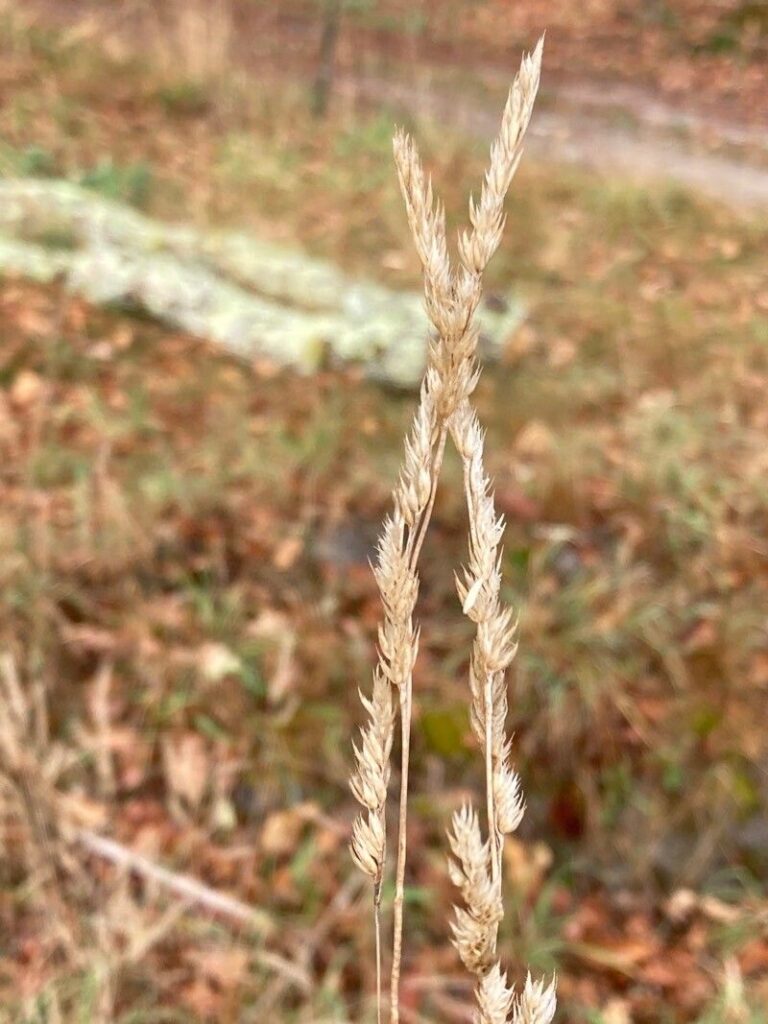
Taming the Wild: Propagating Spike Bentgrass (Agrostis exarata)
Spike bentgrass (Agrostis exarata) might sound like a mysterious botanical term, but this widespread grass species is more familiar than you think. Found naturally throughout North America, it inhabits meadows, woodlands, and even cracks your sidewalk. While not typically the star of ornamental gardens, its hardiness and adaptability make it a valuable player in restoration projects and for adding texture to naturalistic landscapes.
Intrigued? If you’re looking to encourage the spread of spike bentgrass or introduce it to a new area, you’re in luck! Propagation is achievable for even the most novice gardener. Here’s a breakdown of the two main methods:
1. Seed Propagation: Embracing the Wind’s Technique
In nature, spike bentgrass is a master of wind dispersal. You can mimic this process with a bit of patience:
- Seed Collection: Late summer is ideal for harvesting seed heads. Look for tan, dry seed heads and gently rub them between your fingers to release the tiny seeds.
- Sowing: Spike bentgrass seeds need light to germinate, so sow them directly onto the soil surface in fall or early spring.
- Site Preparation: Choose a site with full sun to partial shade and well-drained soil. Lightly rake the area to loosen the top layer.
- Patience is Key: Germination can take anywhere from a few weeks to a couple of months, depending on conditions. Keep the soil consistently moist but not waterlogged during this period.
2. Division: Giving Established Plants a Helping Hand
For quicker results and to maintain the characteristics of a particular plant, division is the way to go:
- When to Divide: Spring or early fall is the best time to divide spike bentgrass clumps.
- Digging In: Carefully dig up a healthy clump, ensuring you get a good amount of the root system.
- Division: Gently separate the plant into smaller sections, making sure each division has a good amount of roots and shoots attached.
- Replanting: Replant the divisions at the same depth they were originally growing. Water them in well.
Caring for Your New Spike Bentgrass:
- Watering: While establishing, water regularly to keep the soil moist. Once established, spike bentgrass is fairly drought-tolerant.
- Sunlight: While it prefers full sun, this adaptable grass can handle partial shade.
- Soil: Spike bentgrass isn’t too fussy about soil type as long as it’s well-drained.
- Pests & Diseases: This resilient grass is generally pest and disease-free.
Beyond Propagation:
While not as showy as some of its cultivated cousins, spike bentgrass contributes valuable ecological services. Its robust root system helps control erosion, provides habitat for beneficial insects, and adds subtle beauty to the landscape. So, whether you choose seed propagation or division, you’re contributing to a healthier ecosystem while adding a touch of wild charm to your surroundings.