
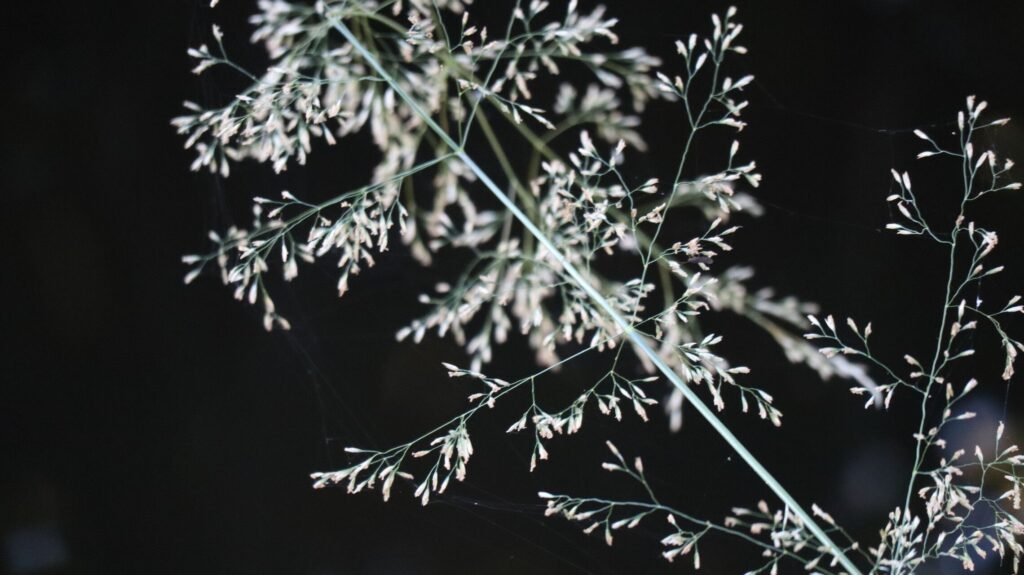
Taming the Giant: Easy Propagation Techniques for Agrostis Gigantea
Agrostis gigantea, better known as Redtop Grass or Black Bent, often gets overlooked as just another blade in the pasture. But this hardy, adaptable grass has a lot to offer landscapers and gardeners looking for low-maintenance ground cover or erosion control.
One of the biggest advantages of Agrostis gigantea is how easy it is to propagate. Whether you’re hoping to expand an existing patch or start a new one from scratch, this grass gives you options.
Seed Starting Success:
Starting Agrostis gigantea from seed is probably the most common method, and for good reason – it’s incredibly straightforward:
- Timing is Key: Aim to sow your seeds in either early spring or late summer, when the soil is workable and temperatures are mild.
- Preparation is Everything: Prepare a seedbed by loosening the top few inches of soil and removing any weeds or debris. Agrostis gigantea prefers well-drained soil, but isn’t too picky about soil type.
- Sowing the Seeds: Scatter your seeds evenly over the prepared area, aiming for a rate of about 10-15 seeds per square inch. Gently rake them into the soil, ensuring they are lightly covered but not buried too deeply.
- Water Wisely: Keep the seedbed consistently moist, not soggy, until the seeds germinate. This usually takes 1-2 weeks.
Once your seedlings emerge, continue watering regularly until they are well-established. Thin out any overcrowded areas to give the remaining plants room to thrive.
Division for Faster Results:
If you’re looking for quicker results or want to ensure genetic similarity to an existing plant, division is the way to go:
- Divide and Conquer: In early spring or fall, dig around a healthy clump of Agrostis gigantea and carefully lift it from the ground.
- Section Out Success: Use a sharp knife or garden spade to divide the clump into smaller sections, making sure each section has a good amount of roots attached.
- Replant and Thrive: Replant the divisions in their new locations, spacing them about 12-18 inches apart. Water thoroughly and keep the soil consistently moist as they establish themselves.
A Few Tips for Propagation Pros:
- Stratification for Seed Success: While not strictly necessary, cold stratification can help improve germination rates, especially with older seeds. Simply mix the seeds with damp sand and store them in the refrigerator for 4-6 weeks before sowing.
- Fertilizer in Moderation: Agrostis gigantea isn’t a heavy feeder. A light application of a balanced fertilizer in the spring is usually sufficient.
- Pest and Disease Resistance: This grass is generally quite hardy, but keep an eye out for common lawn pests and diseases. Early detection and treatment are key to keeping your grass healthy.
With a little bit of effort, you can easily propagate Agrostis gigantea and enjoy its many benefits in your own backyard. Whether you’re looking for a low-maintenance lawn alternative, an erosion control solution, or simply want to add a touch of green to your landscaping, this versatile grass is up to the task.