
Rock and Roll: Propagating Agrostis rupestris for Your Garden
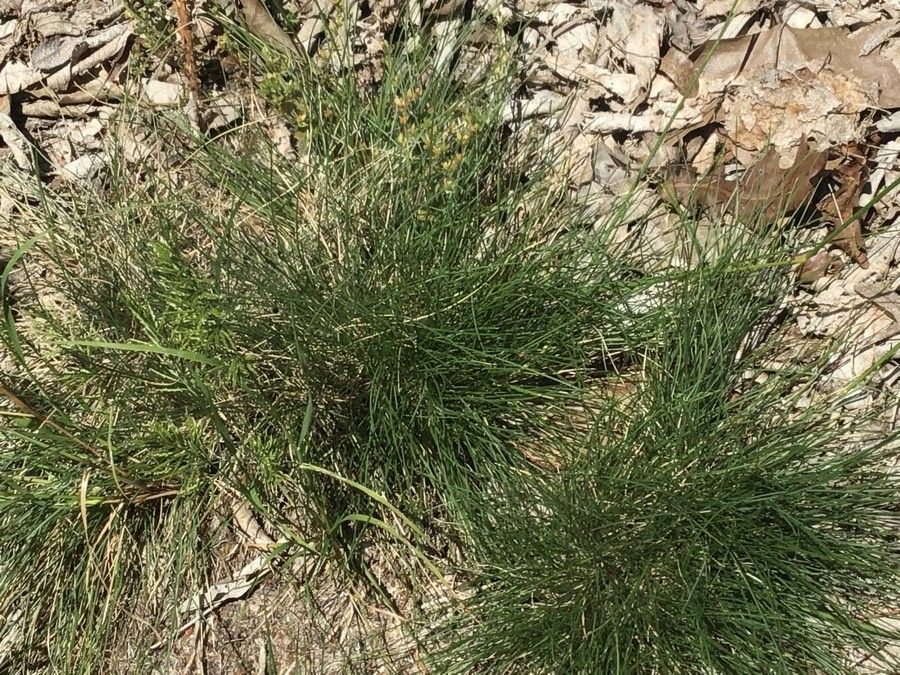
Want to add some rugged charm to your garden? Look no further than Agrostis rupestris, commonly known as Rock Hairgrass. This striking, low-growing grass offers a unique textural element and thrives in rocky, challenging environments. But its beauty isn’t just skin deep – Rock Hairgrass is also surprisingly easy to propagate, allowing you to share it with your fellow gardening enthusiasts or expand your own verdant collection.
A Little About Rock Hairgrass
Agrostis rupestris is a hardy, evergreen grass native to Europe and Asia. It forms dense mats of fine, hair-like foliage that creates a carpet-like effect, perfect for rock gardens, slopes, or even hanging baskets. Its adaptability to adverse conditions makes it an ideal choice for drought-tolerant landscaping and low-maintenance gardens.
Rock Hairgrass Propagation Techniques
While you can find Rock Hairgrass readily available at nurseries, propagating it yourself is a rewarding experience. Here are the most common methods:
1. Division
This is the simplest and most effective method for propagating Rock Hairgrass. Here’s how:
- Timing: Spring or early fall are the ideal times for division.
- Process: Carefully dig up a mature clump and gently separate it into smaller divisions. Each division should have healthy roots and foliage.
- Planting: Plant the divisions directly into the ground, spacing them about 6-12 inches apart. Water them well and ensure they receive adequate sun.
This method might take a little longer, but it’s a great option for creating a large number of plants from a single source.
- Timing: Sow seeds in late winter or early spring.
- Process: Prepare a seed tray or pots filled with seed-starting mix. Lightly scatter the seeds on the surface and cover them with a thin layer of potting mix.
- Germination: Keep the soil moist and ensure the seeds receive bright, indirect light. Germination usually takes 1-2 weeks.
- Transplanting: Once the seedlings develop a few sets of true leaves, transplant them into larger pots or directly into your garden bed.
3. Cuttings
While less common with Rock Hairgrass, it is still possible to propagate it using this method.
- Timing: Early spring or summer is best.
- Process: Take stem cuttings about 4 inches long from healthy plants. Remove the lower leaves and dip the cut ends in rooting hormone.
- Planting: Plant the cuttings in a mixture of peat moss and perlite. Keep the soil moist and the cutting container in a bright, indirect light location.
- Rooting: It will take a few weeks for the cuttings to develop roots.
Tips for Successful Propagation
- Soil: Choose well-draining soil with a slightly acidic to neutral pH.
- Sunlight: Provide adequate sunshine (at least 6 hours daily) for optimal growth.
- Watering: Keep the soil moist, but avoid overwatering.
- Fertilizing: Fertilize lightly during the growing season with a balanced fertilizer.
Enjoying Your Rock Hairgrass
Once your Rock Hairgrass plants have established themselves, you can enjoy their ornamental beauty and low-maintenance nature for years to come. They look stunning in rock gardens, borders, and even containers. Their delicate texture adds a soft contrast to bolder plants, making them a versatile addition to any garden.
Whether you choose division, seed propagation, or cuttings, propagating Agrostis rupestris at home is a rewarding experience that allows you to enjoy this unique and resilient plant in your own garden landscape. It’s a great way to share this beautiful grass with fellow gardening enthusiasts and add a touch of rugged charm to your green spaces.