
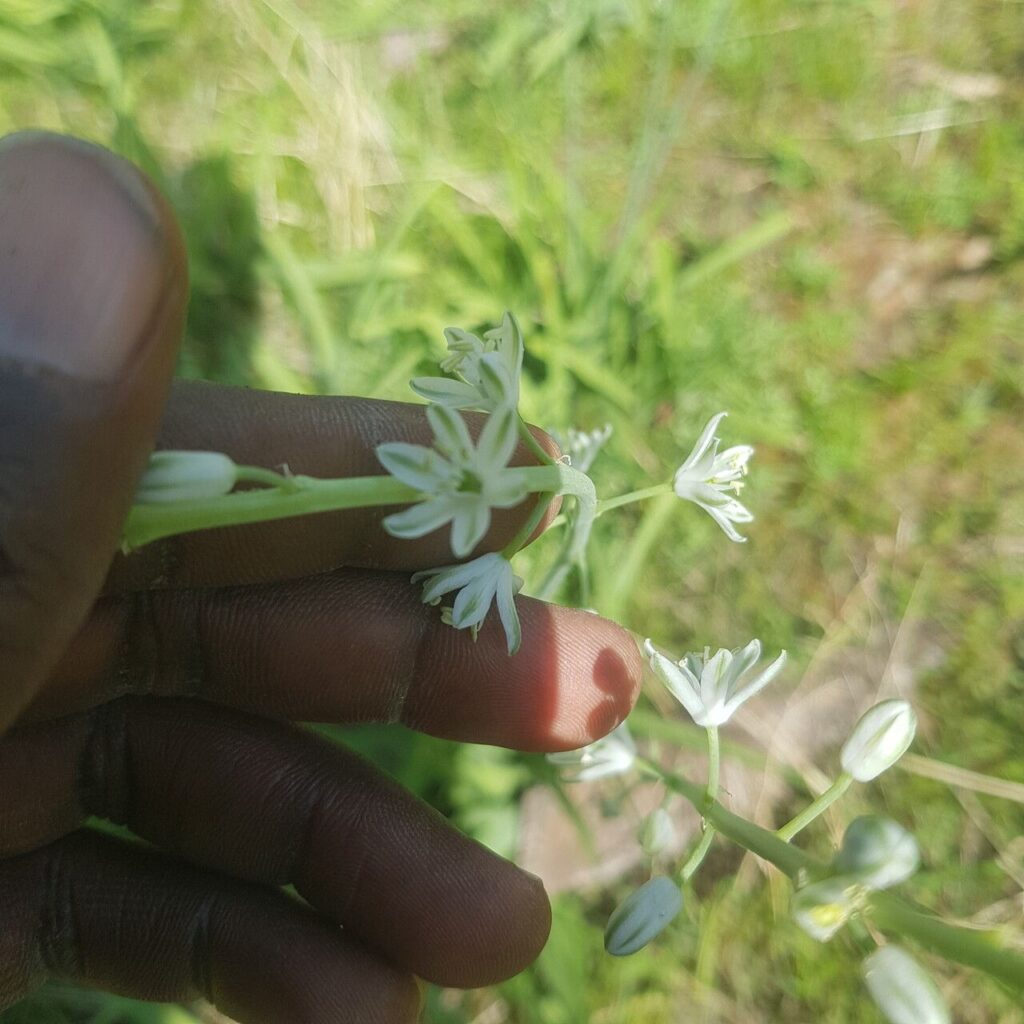
Unlocking the Secrets of Albuca nigritana Propagation: From Bulb to Blooming Beauty
Albuca nigritana, with its charming coiled tendrils and delicate, chocolate-scented blooms, is a captivating addition to any succulent enthusiast’s collection. While caring for this unique South African native is generally straightforward, many wonder about the best ways to propagate and multiply their Albuca nigritana treasures. In this article, we’ll delve into the fascinating world of Albuca nigritana propagation, exploring the two primary methods: seed propagation and offsets division.
Method 1: Starting Fresh with Seed Propagation
For those who enjoy witnessing the entire lifecycle of a plant, seed propagation offers a rewarding but slightly more challenging approach:
1. Obtaining Seeds: Sourcing viable seeds is crucial. Reputable online vendors and specialist nurseries are your best bet. Look for fresh seeds for higher germination rates.
2. Sowing the Seeds: Choose a well-draining seed starting mix with good aeration. Sow the seeds superficially, pressing them gently onto the dampened mix. Cover the container with a clear lid or plastic wrap to create a humid environment.
3. Providing Optimal Conditions: Place the container in a warm, brightly lit location but out of direct sunlight. Maintain a consistent temperature around 70-75°F (21-24°C). Germination can take anywhere from a few weeks to a couple of months, so patience is key.
4. Thinning and Transplanting: Once seedlings develop a few true leaves, thin them out to provide ample space for growth. When they are large enough to handle, carefully transplant them into individual pots with a well-draining soil mix specifically formulated for succulents.
5. Patience is Key: Seed-grown plants may take a few years to reach maturity and produce their stunning, fragrant blooms.
Method 2: The Efficiency of Offsets Division
Albuca nigritana often forms offsets, or small bulbils, around the base of the mother plant. Dividing these offsets provides a quicker and often more successful route to propagation:
1. Identifying Offsets: Look for healthy, firm offsets that have developed their own root system. The ideal time for division is during the plant’s active growing season, typically in spring.
2. Careful Separation: Gently remove the mother plant from its pot and carefully detach the offsets, ensuring you retain as much of their root system as possible.
3. Potting the Offsets: Plant each offset in a small pot with drainage holes, using a well-draining succulent mix. Bury the bulb so that the top sits slightly above the soil line.
4. Watering and Light: Water sparingly, allowing the soil to dry out completely between waterings. Place the newly potted offsets in a bright, indirect light location.
5. Enjoy Quicker Blooms: Offset-propagated plants usually bloom faster than those grown from seed, often rewarding you with flowers within a year or two.
A Final Note:
While both methods have their merits, offsets division typically offers a faster and more predictable way to propagate Albuca nigritana. Whichever method you choose, remember that patience, observation, and providing an optimal growing environment will ultimately contribute to your success in multiplying these fascinating and fragrant floral treasures.