
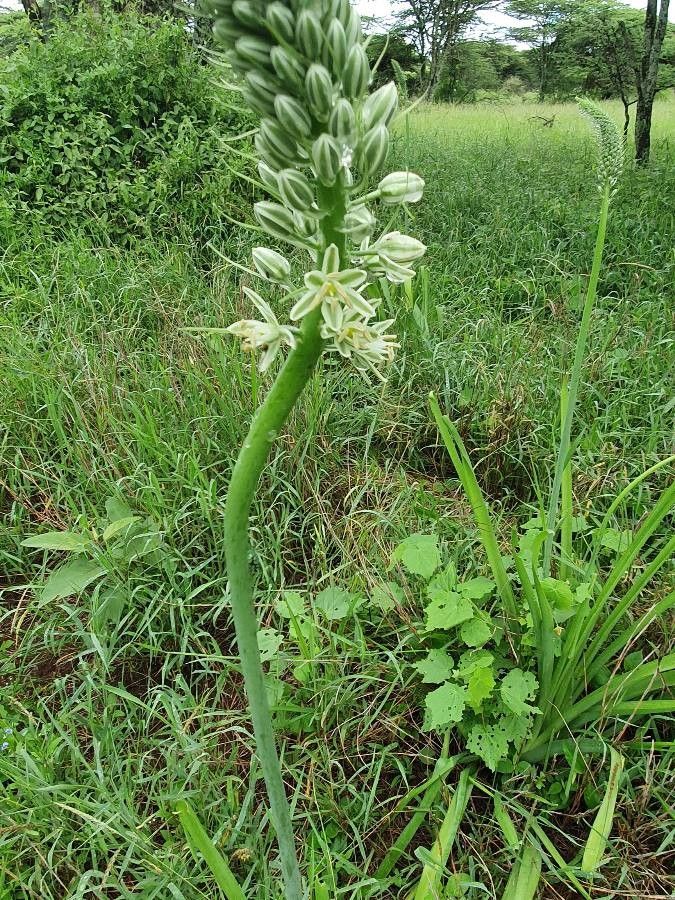
Unleash the Green Magic: Propagating Your Albuca virens
The Albuca virens, affectionately nicknamed the “Slime Lily” for its intriguing sticky buds, is a joy to have in any plant lover’s collection. With its delicate, grassy foliage and charming green-striped blooms that release a sweet, vanilla-like fragrance, it’s a true sensory delight. But the charm of the Albuca virens doesn’t stop at its appearance. This South African native is also surprisingly easy to propagate, meaning you can multiply your green magic with just a little effort.
Ready to expand your Albuca virens family? Let’s explore the two most effective methods:
1. Offsets: Nature’s Little Clones
Albuca virens are generous plants. They readily produce offsets, also known as “pups,” around their base. These miniature versions of the parent plant are your ticket to effortless propagation.
Here’s how to do it:
- Timing is key: Wait until the offsets are a decent size (at least an inch or two in diameter). This usually happens in spring or early summer, after the plant has finished flowering.
- Gentle separation: Carefully dig around the parent plant, exposing the offsets and their root systems. Use a clean, sharp knife or gardening shears to separate the offsets, ensuring each has a good amount of roots attached.
- Potting up: Prepare a well-draining potting mix, ideally one designed for succulents or cacti. Plant the offsets at the same depth they were in the mother plant’s pot. Water thoroughly.
- Patience is a virtue: Keep the newly planted offsets in a bright, indirect light location. Avoid direct sunlight until they establish themselves. Water sparingly, allowing the soil to dry out slightly between waterings.
2. Seeds: A More Adventurous Route
While propagating from offsets is quicker and easier, growing Albuca virens from seeds offers a unique satisfaction and a chance to witness the plant’s entire life cycle.
Here’s a step-by-step guide:
- Sourcing seeds: You can collect seeds from your own plant (if it has flowered and been pollinated) or purchase them from a reputable supplier. Fresh seeds generally have higher germination rates.
- Preparing the seedbed: Use a seed starting mix or blend your own using peat moss and perlite for good drainage. Spread the seeds on the surface, and lightly cover them with a thin layer of the mix.
- Creating a humid environment: Moisture is essential for germination. Water the seed tray thoroughly and cover it with a plastic dome or wrap to create a mini greenhouse effect.
- Providing optimal conditions: Place the tray in a warm, well-lit location but out of direct sunlight. Seeds usually germinate in 2-4 weeks.
- Thinning out: Once the seedlings have a few true leaves, thin them out to provide adequate space for growth. Choose the healthiest-looking seedlings and carefully transplant the chosen ones into individual pots.
Tips for Success:
- Well-draining soil is key: Albuca virens are prone to root rot, so ensure good drainage in the soil mix and avoid overwatering.
- Light makes them thrive: These plants love bright, indirect light. They can tolerate some direct sun, but be cautious in extremely hot climates.
- Fertilize sparingly: A diluted, balanced fertilizer can be used during the growing season (spring and summer), but avoid overfertilizing.
Propagating your Albuca virens is a rewarding journey that allows you to expand your collection and share the joy of these captivating plants with others. So go ahead, get your hands dirty, and watch the green magic unfold!