
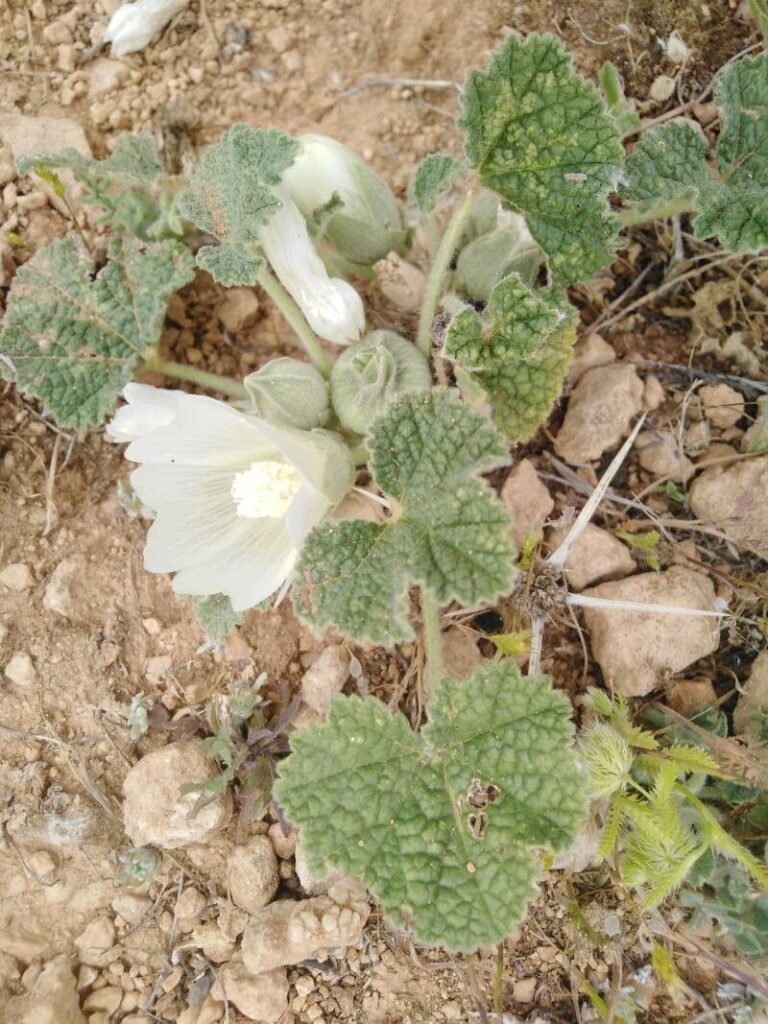
Unveiling the Secrets of Alcea Acaulis Propagation: A Guide to Growing This Stunning Hollyhock Relative
The world of gardening is filled with hidden gems, and Alcea acaulis, often called the “Stemless Hollyhock” or “Dwarf Hollyhock”, is undoubtedly one of them. This charming plant, hailing from the Malvaceae family, captivates with its showy hibiscus-like blooms in shades of pink, purple, and white, adding a touch of whimsy and elegance to any garden. While its beauty is undeniable, what truly sets Alcea acaulis apart is its resilience and adaptability, making it a joy to propagate. Whether you’re a seasoned gardener or a curious beginner, this guide will equip you with the knowledge to successfully propagate Alcea acaulis and enjoy its captivating presence year after year.
Embracing the Power of Seeds:
The most common and rewarding method for propagating Alcea acaulis is through seeds. Follow these steps for optimal results:
1. Seed Collection and Storage:
As your Alcea acaulis graces you with its blooms, keep a watchful eye on the spent flowers. They will transform into small, round seed pods. Once these pods turn brown and dry, they are ready for harvesting. Extract the seeds and store them in a cool, dry place until you’re ready to sow.
2. Sowing Time and Method:
Alcea acaulis seeds exhibit remarkable cold tolerance, allowing for both spring and autumn sowing. For spring planting, sow the seeds directly into your garden after the last frost. If you prefer an autumn start, sow the seeds around six to eight weeks before the first frost, giving them ample time to establish themselves before winter’s chill sets in. When sowing, lightly press the seeds into the prepared soil, ensuring they are covered with about ¼ inch of soil.
3. Germination and Care:
Keep the soil consistently moist but not waterlogged. Germination typically takes 10-21 days. Once the seedlings emerge and grow a few inches tall, thin them out to provide adequate spacing for optimal growth and development.
Unlocking the Potential of Root Cuttings:
While seed propagation reigns supreme for Alcea acaulis, exploring additional methods like root cuttings can be rewarding, particularly for preserving desirable traits from a cherished plant.
1. Timing is Key:
The ideal time to take root cuttings is during the plant’s dormant period, typically in late fall or early spring.
2. Selecting and Preparing Cuttings:
Carefully dig around the base of a healthy Alcea acaulis plant to expose the roots. Using a sharp, sterilized knife or pruning shears, take cuttings that are about 2-3 inches long and pencil-thick.
3. Planting and Patience:
Plant the root cuttings horizontally in a tray filled with a well-draining potting mix, ensuring the top of the cutting is just below the soil surface. Keep the soil consistently moist and place the tray in a warm, well-lit location, but out of direct sunlight.
4. Transplanting Success:
After several weeks, you should notice new growth emerging from the root cuttings. Once the seedlings are a few inches tall and the danger of frost has passed, they are ready to be transplanted into your garden.
Propagating Alcea acaulis, whether through seeds or root cuttings, is a deeply fulfilling endeavor. By understanding the plant’s preferences and following these techniques, you’ll be well on your way to cultivating a thriving display of these charming beauties, transforming your garden into a sanctuary of vibrant colors and delicate charm.