
Unlocking the Secrets of Alchornea rugosa: Propagation Techniques for This Versatile Plant
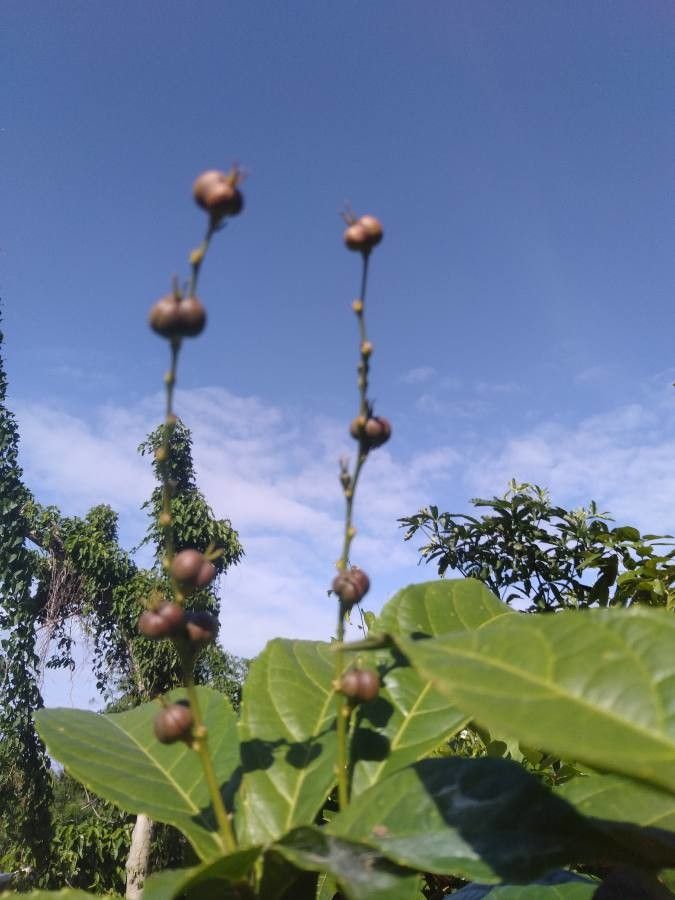
The Alchornea rugosa, a resilient and handsome shrub or small tree, has a captivating beauty that draws the eye. Its glossy, leathery leaves and vibrant clusters of red berries make it a standout addition to any landscape. But what if you could expand your collection of this eye-catching plant without relying solely on purchasing new specimens? The answer lies in propagation – the art of creating new plants from existing ones – and with Alchornea rugosa, there are a few methods you can explore.
Going for the Cuttings:
One of the most popular methods for propagating Alchornea rugosa is through stem cuttings. This technique involves taking healthy, non-flowering stems, typically 4-6 inches long, from the current year’s growth. Before planting, make a sharp cut just below a node (where leaves grow from the stem) to encourage root development. Dip the cut end in a rooting hormone to boost success and then place the cuttings in a moist, well-draining growing medium like a mix of perlite and peat moss. Maintain a humid environment, keeping the soil consistently moist but not soggy, and provide indirect sunlight. With a little patience, new roots should emerge within a few weeks.
Seeds of Success:
Alchornea rugosa also readily produces seeds, offering another avenue for propagation. Harvest the vibrant red berries when they ripen, carefully removing the seeds from their fleshy casing. Dry the seeds thoroughly before storing them in a cool, dry place. When ready to sow, lightly scarify the seeds (scratch their outer coat) for optimal germination and then plant them in a well-draining seed-starting mix. Maintain consistent moisture and warmth, and within a few weeks, you should see your first seedlings emerge.
From Seed to Plant: A Guide to Success:
While both methods offer viable options for propagating Alchornea rugosa, each comes with its own set of considerations. Stem cuttings are typically faster and more reliable, especially if you’re aiming for a plant that’s identical to the parent. Seeds offer a greater degree of genetic variation, potentially producing plants with slight differences in leaf shape, color, or size. Ultimately, the best method for you depends on your individual needs and preferences.
Beyond the Basics: Tips & Tricks
-
Timing is key: Propagation is most successful when conducted during the plant’s active growth period, generally in the spring or early summer.
-
Use a clean sharp knife: Clean tools prevent the spread of disease and ensure clean cuts on your stems or seeds.
-
Patience is a virtue: Propagation often takes time, so don’t be discouraged if you don’t see results immediately.
- Embrace the process: Learning to propagate your own Alchornea rugosa is a rewarding experience, allowing you to connect with nature and expand your collection.
Enjoying the Fruits of Your Labor:
Once your propagated plants are well-established, you can enjoy the rewarding spectacle of their growth. Alchornea rugosa offers a diverse range of uses, from landscaping and hedging to medicinal purposes and even wood crafting. By mastering propagation, you can not only fulfill your passion for this versatile plant but also contribute to its conservation and share its beauty with others.