
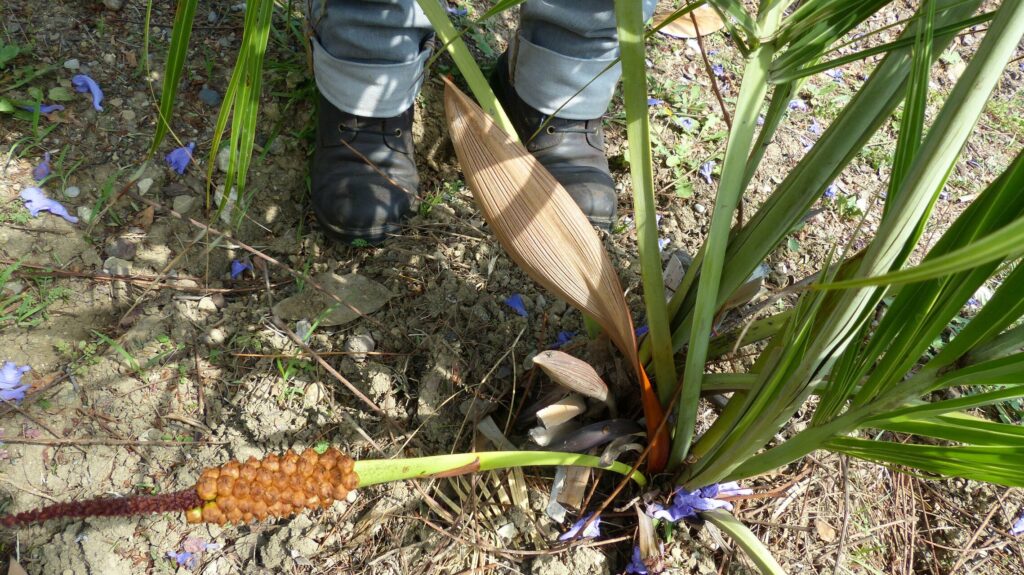
Unlocking the Secrets of Seashore Palm Propagation: A Guide to Growing Allagoptera Arenaria
The Allagoptera arenaria, more affectionately known as the Seashore Palm, is a captivating beauty. Native to the coastal dunes of Brazil, this resilient palm enchants with its feathery fronds and ability to thrive in challenging, sandy environments. If you’re dreaming of adding this tropical gem to your garden, understanding its propagation is key. While it might seem like a feat of magic, successfully growing Allagoptera arenaria from seed is an achievable feat with the right knowledge and a touch of patience.
The Magic Bean: All About Allagoptera Arenaria Seeds
The journey begins with obtaining viable seeds. Unlike some plants that readily multiply through cuttings or divisions, the Allagoptera arenaria primarily propagates through seeds. Luckily, these seeds are relatively easy to find online or at specialty nurseries. Fresh seeds generally offer the highest germination rates, so always check the date of harvest before purchasing.
When your seeds arrive, take a moment to appreciate their unique appearance. Allagoptera arenaria seeds resemble small, brown coconuts. This hard outer shell acts as a protective barrier, safeguarding the precious life within.
Planting the Dream: Steps to Successful Germination
-
Softening the Shell: The first step involves gently breaking down the tough outer shell to speed up germination. Soak the seeds in lukewarm water for 24-48 hours. This process softens the shell, allowing the embryo inside to awaken.
-
Creating the Perfect Nest: Allagoptera arenaria thrives in well-draining soil. Prepare a seed-starting mix by combining equal parts peat moss, perlite, and coarse sand. This blend mimics the palm’s natural sandy habitat.
-
Sowing the Seed: Plant each seed about an inch deep in your prepared mix, ensuring the pointed end faces down. This encourages proper root development.
- Warmth and Moisture: Place your seed tray in a warm, brightly lit area, maintaining a consistent temperature of around 75-85°F (24-29°C). Consistent moisture is crucial for germination. Keep the soil consistently moist, but avoid overwatering, which can lead to rot.
Patience is a Virtue: The Waiting Game
Germination can be a leisurely process for Allagoptera arenaria, often taking anywhere from 2 to 6 months. Don’t be discouraged if you don’t see sprouts immediately. This palm marches to the beat of its own drum.
Nurturing Your Seedlings: From Sprout to Stately Palm
Once your seedlings emerge, continue providing them with bright, indirect light and consistently moist soil. As they grow stronger, you can gradually introduce them to slightly more sunlight.
When your seedlings develop a few sets of true leaves, it’s time to transplant them into individual pots. Choose containers slightly larger than the root ball, ensuring they have adequate drainage holes.
Bringing the Tropics Home: Caring for Your Allagoptera Arenaria
With proper care, your Allagoptera arenaria will thrive and grace your home with its tropical allure. Remember to provide it with:
-
Bright, indirect light: While this palm enjoys sunlight, direct, scorching rays can damage its delicate fronds.
-
Well-draining soil: Consistent with its coastal origins, the Seashore Palm prefers a well-draining soil mix that doesn’t retain excess water.
-
Regular watering: Keep the soil consistently moist but avoid overwatering, which can lead to root rot.
- Warm temperatures: Being a tropical plant, the Allagoptera arenaria thrives in temperatures above 55°F (13°C).
Propagating Allagoptera arenaria from seed is a rewarding endeavor. With patience, care, and a touch of green-thumb magic, you can successfully cultivate this captivating palm and bring a slice of the Brazilian coast into your home.