
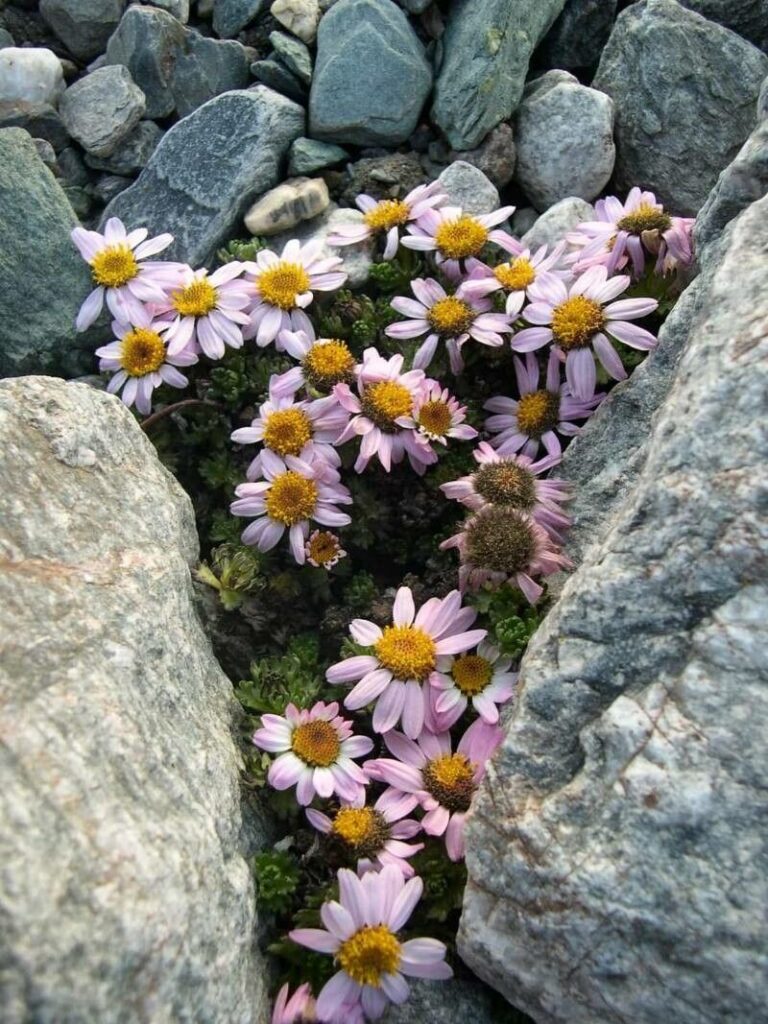
Unlocking the Secrets of Allardia transalaica: A Propagation Guide for the Dedicated Gardener
The world of horticulture is brimming with unique and captivating plants, each with its own secrets to successful cultivation. Amongst these hidden gems lies Allardia transalaica, a captivating high-altitude flowering plant native to the challenging terrains of the Himalayas. Its delicate, daisy-like blooms and resilient nature make it a coveted addition to rock gardens and alpine troughs. However, propagating this mountain treasure can be a rewarding challenge, demanding dedication and a gentle touch.
Understanding the Allardia Transalaica
Before embarking on your propagation journey, familiarizing yourself with the plant’s natural environment proves invaluable. Allardia transalaica thrives in well-drained, gravelly soil amidst the harsh conditions of high-altitude meadows. Therefore, replicating aspects of this environment is crucial for successful propagation.
Methods for Propagation
While Allardia transalaica presents unique challenges, two primary methods offer the best chance of success:
1. Seed Propagation:
This method, though time-consuming, offers a greater understanding of the plant’s life cycle.
- Seed Collection: Seeds are best collected from mature plants in their natural habitat or from reputable suppliers specializing in alpine species.
- Sowing: Sow seeds in late winter or early spring, employing a well-draining seed starting mix. Lightly press the seeds onto the surface, ensuring they are not buried deep.
- Conditions: Maintaining a cool, humid environment is crucial for germination. Consider using a propagator or covering the seed tray with a plastic dome to retain moisture.
- Patience is Key: Germination can be erratic and may take anywhere from a few weeks to several months. Continue to provide consistent moisture and be prepared for potential losses.
2. Propagation from Cuttings:
This method offers a quicker route to establishing new plants but demands precision and careful monitoring.
- Timing: Early summer, when the plant is actively growing, is the ideal time to take cuttings.
- Selection: Choose healthy, non-flowering stems for cuttings.
- Preparation: Using a sharp, sterilized blade, take cuttings about 3-4 inches long, making a clean cut just below a leaf node. Remove the lower leaves to minimize moisture loss.
- Hormone Treatment: Dipping the cut end in rooting hormone can significantly increase the success rate.
- Planting: Plant the cuttings in a well-draining medium, like a mix of perlite and vermiculite. Keep the medium consistently moist but not waterlogged.
- Rooting: Place the cuttings in a warm, humid environment with indirect sunlight. Rooting can take several weeks.
Nurturing Your Allardia Transalaica
Once your new plants are established, whether from seed or cuttings, replicating their natural environment is paramount:
- Well-Drained Soil: Use a gritty, free-draining soil mix to prevent root rot.
- Light: Provide bright, indirect sunlight. Avoid harsh midday sun.
- Watering: Water deeply when the soil is dry to the touch, but avoid overwatering.
- Fertilizing: Use a diluted balanced fertilizer once or twice during the growing season.
Propagating Allardia transalaica is an endeavor that tests the patience and skills of even seasoned gardeners. However, with dedication and an understanding of its specific needs, the rewards are plentiful. The sight of this charming alpine flower gracing your garden, a testament to your efforts, is truly a sight to behold.