
Unlocking the Secrets of Allium Anceps: A Guide to Propagation
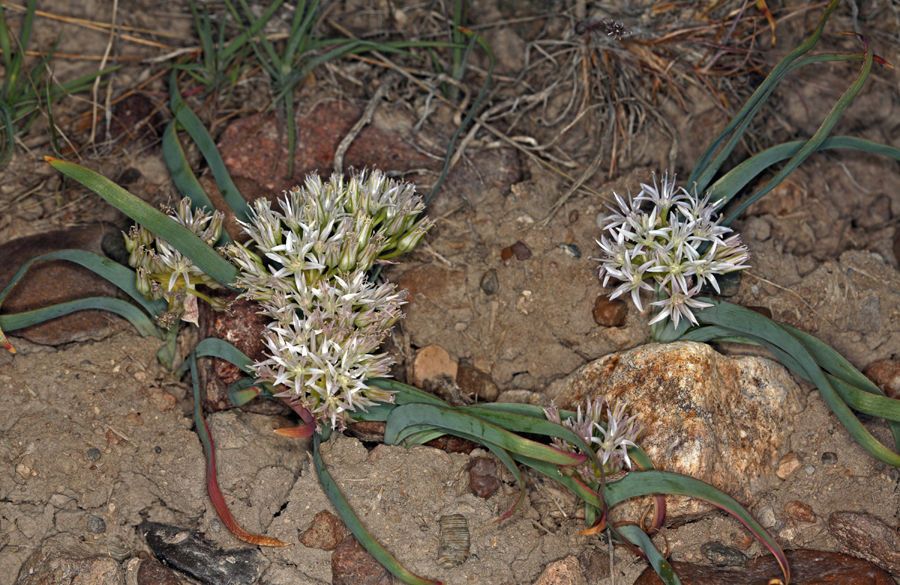
Allium anceps, also known as the twinleaf onion or Kellogg’s onion, is a charming little wildflower native to Western North America. It enchants gardeners and nature enthusiasts alike with its delicate, pink, bell-shaped blooms and unique, paired leaves. If you’re hoping to invite this delightful plant into your garden, understanding its propagation methods is key. Let’s delve into the world of Allium anceps propagation and unveil the secrets to multiplying your stock.
Seed Starting: A Journey of Patience and Reward
Propagating Allium anceps from seed is a rewarding experience, albeit one that requires a touch of patience. Here’s what you need to know:
-
Seed Collection: The best time to collect Allium anceps seeds is in late spring or early summer, after the flowers have faded and seed pods have formed. Look for dried, papery seed pods and gently collect them.
-
Seed Preparation: Gently crush the dried seed pods to release the small, black seeds within. You can store these seeds in a cool, dry place until you’re ready to plant.
-
Sowing: For best results, sow Allium anceps seeds in the fall. This allows them to experience the natural freeze-thaw cycles they need for germination. Sow the seeds in well-draining soil, lightly covering them with about ¼ inch of soil.
- Patience is Key: Germination can be slow and erratic for Allium anceps seeds. Some might sprout in the spring, while others might take an entire year or more. Be patient and don’t give up on your seedlings!
Division: A Simpler Route for Established Plants
If you already have a thriving Allium anceps plant, division is a more straightforward propagation method. This technique involves splitting an established plant into smaller sections, each capable of developing into a new plant.
-
Timing is Everything: The best time to divide Allium anceps is in late summer or early fall, after the foliage has died back.
-
Careful Excavation: Gently dig up the clump of Allium anceps you wish to divide, being careful not to damage the bulbs and roots.
-
Division Time: Using a sharp, clean knife or garden shears, divide the clump into smaller sections. Ensure each section has a healthy bulb and roots attached.
- Replanting: Replant the divisions immediately in well-draining soil, spacing them about 6-12 inches apart. Water them well and watch them flourish.
Additional Propagation Tips:
-
Well-Draining Soil is Crucial: Allium anceps thrives in well-draining soil. Avoid heavy clay soils, as they can lead to bulb rot.
-
Sunlight is Key: Choose a sunny or partially shaded location for your Allium anceps. At least six hours of sunlight per day is ideal.
- Water Wisely: While Allium anceps tolerates some drought, regular watering during the growing season will result in healthier plants.
Adding Beauty and Diversity to Your Garden:
Propagating Allium anceps, whether through seed starting or division, is a fulfilling endeavor that allows you to expand your garden’s beauty and welcome this charming wildflower into your own backyard. With a bit of patience and care, you can enjoy the delicate blooms and unique foliage of this delightful plant for years to come.