
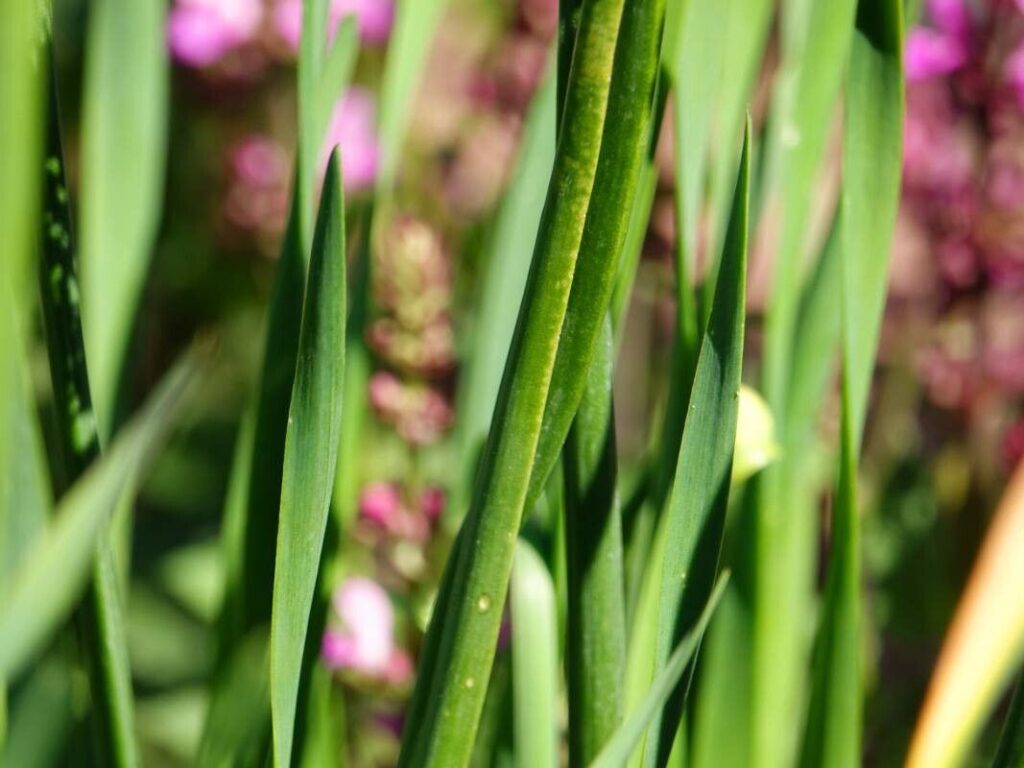
Multiply Your Culinary Delights: Propagating the Delicious Allium angulosum
The world of edible plants extends far beyond your typical tomatoes and basil. Foraging enthusiasts and adventurous eaters might already be familiar with the joys of wild garlic and chives, but have you met their lesser-known cousin, Allium angulosum? This intriguing perennial, also known as Mouse Garlic or Angled Onion, boasts a delicate garlic flavor and stunning purple flower heads, making it a treat for both the palate and the eyes. But did you know this easy-to-grow plant can be easily multiplied right in your garden? Let’s dive into the fascinating world of propagating Allium angulosum!
Two Paths to Propagation:
Allium angulosum offers two main methods of propagation:
1. Division: This technique, best performed in early spring or fall, takes advantage of the plant’s clumping growth habit.
- Step 1: Gently dig around a mature clump, ensuring you get as much of the root system as possible.
- Step 2: Carefully separate the clump into smaller sections, each with a good amount of roots and shoots attached.
- Step 3: Replant these divisions in their new homes, ensuring the same depth as the original plant. Water thoroughly and enjoy watching them establish themselves!
2. Growing from Seed: While slightly more time-consuming, starting Allium angulosum from seed provides a unique sense of satisfaction.
- Step 1: Collect ripe seed heads in late summer when they turn brown and dry. Allow them to dry further indoors.
- Step 2: In late fall or early spring, sow the seeds directly into prepared beds, lightly covering them with soil.
- Step 3: Keep the soil consistently moist. Germination may take a few weeks.
- Step 4: Once seedlings reach a few inches tall, thin them out to provide adequate spacing for growth.
Tips for Success:
- Location, Location, Location: Allium angulosum thrives in full sun to partial shade and prefers fertile, well-draining soil.
- Watering Wisely: While this plant enjoys moist soil, avoid overwatering, especially during its dormant period in winter.
- Pest Patrol: Be on the lookout for common garden pests like slugs and snails, which might be attracted to the young foliage.
- Patience is Key: Remember that plants grown from seed will take longer to reach a size suitable for harvesting than those propagated through division.
Reaping the Rewards:
Beyond the satisfaction of successful propagation, Allium angulosum provides a bounty of culinary and aesthetic benefits. Add the delicately flavored leaves to salads, soups, and stews, or use them as a substitute for chives. The stunning, globe-shaped flower heads, bursting with pink-purple hues, make beautiful additions to bouquets and attract pollinators to your garden.
Propagating Allium angulosum is a rewarding endeavor, suitable for both seasoned gardeners and curious beginners. By embracing either division or growing from seed, you can readily multiply this versatile and delicious plant, enhancing your garden and your culinary experience in the process. So, roll up your sleeves, get your hands dirty, and experience the joy of growing this fascinating allium!