
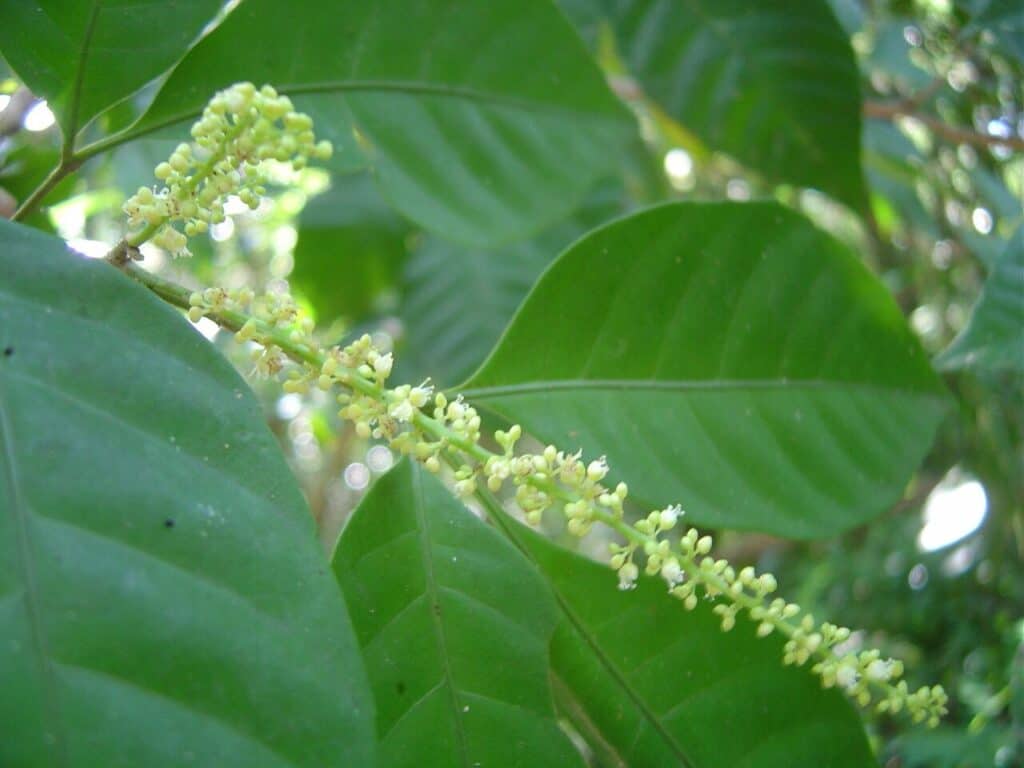
Unlocking the Secrets of Allophylus petiolulatus: A Guide to Propagation
The Allophylus petiolulatus, also known as the “Bastard grape” or “Footeewood,” is a captivating plant with its lush foliage and vibrant berries. Native to various regions around the world, including parts of Africa, Asia, and Australia, this tropical wonder isn’t a common sight in home gardens. However, for enthusiasts seeking a unique addition to their green spaces, mastering the art of Allophylus petiolulatus propagation opens up a world of possibilities.
Understanding the Basics
Before diving into the specifics, it’s crucial to understand that Allophylus petiolulatus can be propagated through two primary methods:
- Seeds: This method involves germinating seeds collected from mature berries.
- Cuttings: This technique focuses on encouraging root development from a section of the parent plant’s stem.
Each method comes with its own set of advantages and challenges, which we’ll explore in detail.
The Seed Route: Patience is Key
Propagating Allophylus petiolulatus from seeds requires a healthy dose of patience. Here’s what you need to know:
-
Seed Collection and Preparation: Collect ripe berries from a healthy Allophylus petiolulatus plant. Extract the seeds and clean off any remaining fruit pulp. Soaking the seeds in water for 24 hours before sowing can help soften the outer shell and improve germination rates.
-
Sowing: Use a well-draining seed starting mix. Sow the seeds about half an inch deep and mist the soil thoroughly.
-
Creating the Ideal Environment: Place the seed tray in a warm, humid environment with indirect sunlight. Covering the tray with a plastic dome or wrap can help retain moisture.
-
Germination and Care: Germination can take anywhere from a few weeks to several months, so don’t be disheartened if you don’t see immediate results. Maintain consistent moisture and warmth.
- Transplanting: Once the seedlings develop a couple of sets of true leaves and a strong root system, they can be carefully transplanted into individual pots.
Taking the Cutting Edge: Faster Results
Propagating Allophylus petiolulatus from cuttings offers a quicker route to establishing new plants:
-
Selecting the Right Cuttings: Choose healthy, semi-hardwood cuttings from the current year’s growth. Aim for cuttings that are around 4-6 inches long with several nodes.
-
Preparing the Cuttings: Remove leaves from the lower portion of the cutting, leaving a few at the top. Dip the cut end in rooting hormone powder to stimulate root development.
-
Planting the Cuttings: Plant the cuttings in a well-draining potting mix, ensuring at least two nodes are buried. Water thoroughly.
-
Encouraging Root Growth: Maintain a warm, humid environment and provide indirect sunlight. You can create a mini-greenhouse effect by covering the pot with a clear plastic bag.
- Transplanting: Once the cuttings develop a robust root system, typically within a few weeks, they can be transplanted into larger pots.
Nurturing Your Allophylus petiolulatus
Regardless of your chosen propagation technique, providing the right care is crucial for your Allophylus petiolulatus to thrive:
- Sunlight: These plants prefer bright, indirect light.
- Water: Keep the soil consistently moist but avoid overwatering.
- Humidity: As tropical plants, they appreciate higher humidity levels.
- Fertilizer: Feed with a balanced fertilizer during the growing season.
A Rewarding Journey
Propagating Allophylus petiolulatus might require some effort, but the rewards are well worth it. By successfully propagating this unique species, you’ll not only get to enjoy its captivating beauty but also contribute to its presence in more gardens, ensuring its legacy lives on.