
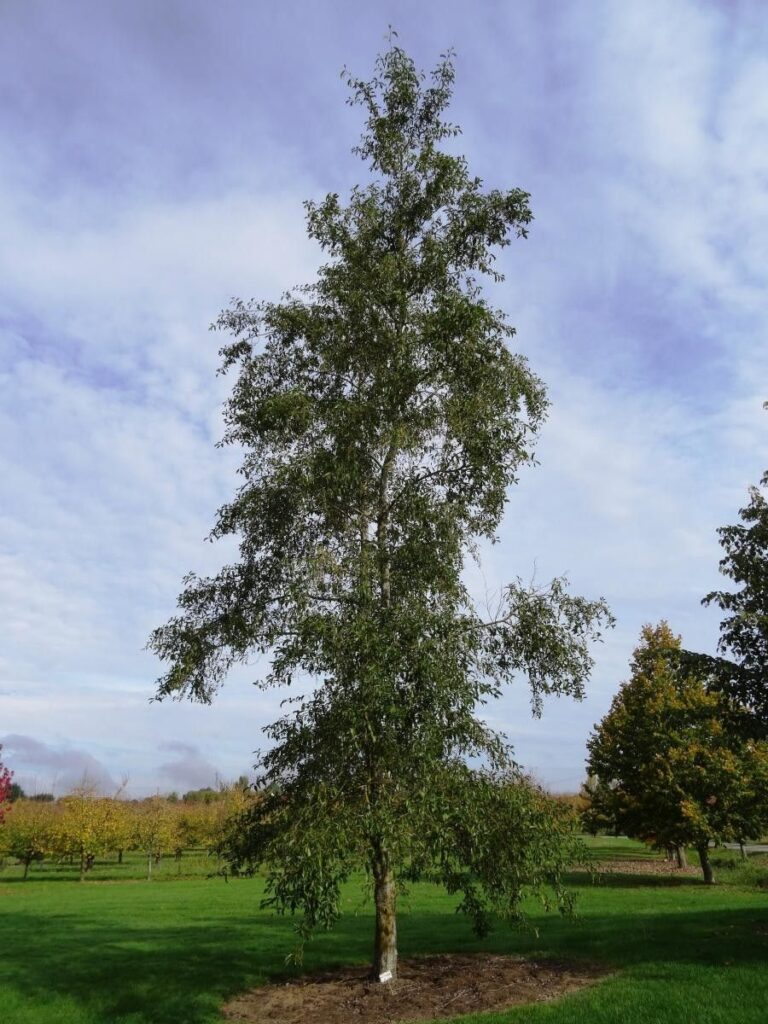
From Seed to Success: Unlocking the Secrets of Alnus cremastogyne Propagation
Alnus cremastogyne, also known as the White Alder or Mountain Alder, is a stunning deciduous tree with a graceful presence and an important role in ecological restoration. But how can you bring this beauty into your own landscape? The answer lies in propagation – the art of creating new plants from existing ones. While it might seem intimidating, propagating Alnus cremastogyne isn’t as challenging as you might think. Let’s delve into the fascinating world of this tree and explore two common methods: seed propagation and rooting cuttings.
Nature’s Way: Propagation by Seed
Alnus cremastogyne is a prolific seed producer. These tiny, winged wonders are dispersed by the wind, allowing the tree to colonize new areas. To propagate from seed, you’ll need:
- Fresh Seed: Gather seed cones in the fall after they’ve turned brown and hardened. Store them in a cool, dry place until winter.
- Stratification: Alnus cremastogyne seeds need a period of cold stratification to break dormancy. This mimics the natural winter conditions they experience in their habitat. Place the seeds in a mixture of moist peat moss and sand in a sealed container and store them in the refrigerator for 2-3 months.
- Sowing: Once the stratification period is complete, sow the seeds in a well-drained seed starting mix in a sunny spot. Keep the soil consistently moist but not soggy. Germination can take several weeks, and you can expect the seedlings to emerge in the spring.
A Quicker Option: Propagation from Cuttings
For a more immediate gratification, consider propagation from semi-hardwood cuttings. This method can be done in late summer or early fall:
- Select Cuttings: Choose healthy shoots from the current year’s growth, about 6-8 inches long.
- Prepare the Cuttings: Remove leaves from the bottom 2-3 inches and cut them off at a 45-degree angle at the base. Dip the cut end into rooting hormone powder to promote root development.
- Plant the Cuttings: Create a rooting mix of peat moss and perlite, or use a commercial rooting medium. Plant the cuttings 2-3 inches deep with the leaves above the soil line.
- Maintain Humidity: Mist the cuttings regularly and cover them with a plastic dome or bag to create a humid environment. This helps to retain moisture and prevent the cuttings from drying out.
- Patience is Key: Rooting typically takes 6-8 weeks. You’ll know your cuttings are successful when new growth appears at the top.
Tips for Success
- Avoid Overwatering: Both seedlings and cuttings need consistent moisture, but overwatering can lead to root rot.
- Choose a Well-Draining Soil: Alnus cremastogyne prefers slightly acidic soil with good drainage.
- Provide Shade: Young seedlings and cuttings benefit from partial shade, especially in hot climates.
- Protect from Pests: Watch out for aphids and other pests that may attack young plants.
- Replant in the Spring: After the hardening-off period, you can transplant your seedlings or cuttings into their permanent locations in the spring.
More Than Just a Pretty Face: The Benefits of Alnus cremastogyne
Beyond their aesthetic beauty, Alnus cremastogyne trees have several ecological benefits:
- Nitrogen Fixation: Their roots form a symbiotic relationship with nitrogen-fixing bacteria, enriching the soil with essential nutrients.
- Erosion Control: Their strong root systems stabilize soil and prevent erosion along stream banks and slopes.
- Wildlife Habitat: They provide food and shelter for a wide range of wildlife, including birds, insects, and mammals.
By starting your own Alnus cremastogyne plants from seed or cuttings, you can enjoy the many benefits this remarkable tree has to offer. So grab your gardening gloves, embrace the magic of propagation, and bring a touch of the outdoors into your own life.