
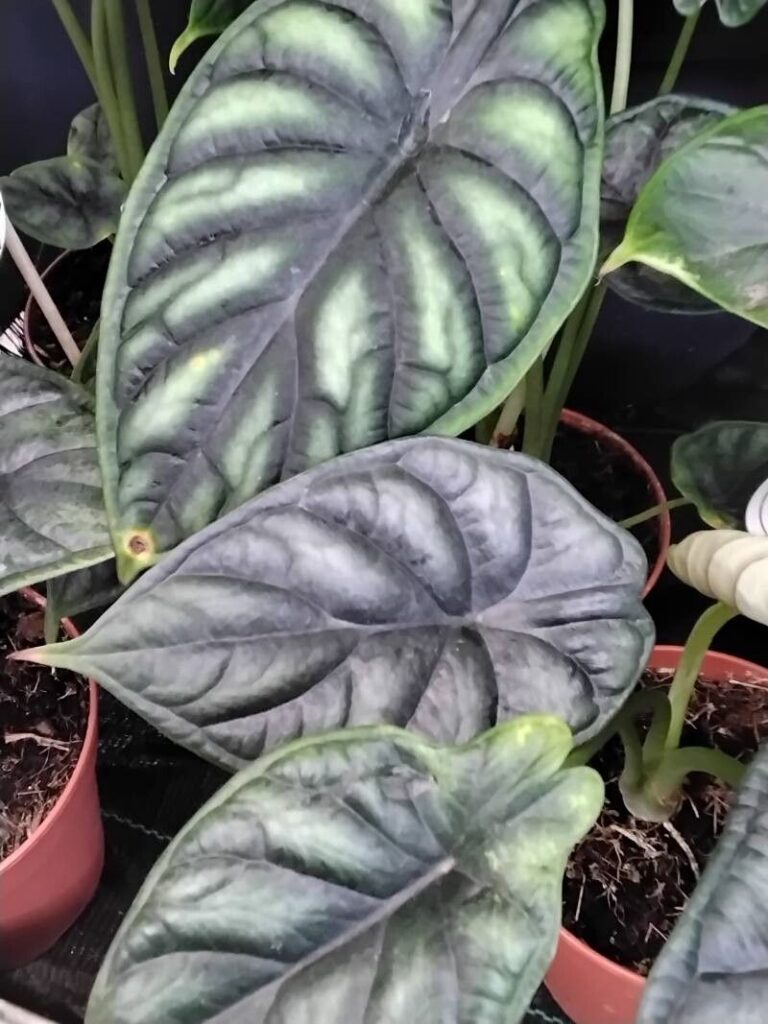
More Alocasia Baginda? Yes, Please! A Beginner’s Guide to Propagation
The Alocasia baginda, with its striking, velvety leaves and majestic stature, is a plant that demands attention. But what if you could have more of this beauty gracing your home? Good news – the Alocasia baginda is surprisingly easy to propagate, giving you a new plant without breaking the bank.
Why Propagate?
Beyond the thrill of creating new life, propagating your Alocasia baginda offers several benefits:
- Free Plants! Instead of buying new ones, you can easily create multiples from your existing plant, saving money and expanding your collection.
- Share the Joy! Give the gift of greenery by sharing your propagated Alocasia baginda with friends or family.
- Revitalize Your Mother Plant: Removing some of the plant’s energy to create new ones can sometimes encourage bushier growth in the parent plant.
Ready to Get Started? Let’s Dive in!
Two main methods are commonly used for propagating Alocasia baginda:
1. Division:
- Best Time: Spring or early summer when the plant is actively growing.
- What You Need: Sharp, sterile knife or pruning shears, potting mix, and pots.
- How to:
- Carefully remove the plant from its pot.
- Gently separate the root ball into sections, each with its own set of roots and leaves.
- Plant each division in a separate pot with fresh potting mix, ensuring the root ball is slightly above the soil level.
- Water thoroughly and provide bright, indirect light.
2. Leaf Cuttings (Less Common):
- Best Time: Spring or early summer.
- What You Need: Sharp knife or pruning shears, potting mix, humidity dome (optional), and rooting hormone (optional).
- How to:
- Select a healthy, mature leaf with a stalk (petiole).
- Cut the leaf stalk about an inch below the leaf.
- Dip the cut end in rooting hormone (optional).
- Place the cutting in a pot filled with moist potting mix, making sure the cut end is buried about an inch deep.
- Cover the pot with a humidity dome (optional) to create a humid environment.
- Place in a bright, indirect light location and keep the soil consistently moist.
- Rooted leaf cuttings will typically produce new leaves after a few months.
Tips for Success:
- Choose Healthy Material: Always use healthy, actively growing plants or leaves for propagation.
- Sterilize Tools: Sterilize your tools before each cut to prevent infections.
- Maintain Humidity: Keep the newly planted sections or cuttings in a humid environment to encourage root development.
- Patience is Key: Propagation can take time, so be patient and provide consistent care.
Enjoy Your New Plants!
Once your new Alocasia baginda plants have rooted and established themselves, you can enjoy watching them grow and thrive. With a little time and effort, you can increase your Alocasia baginda collection and revel in the beauty of these magnificent plants for years to come.