
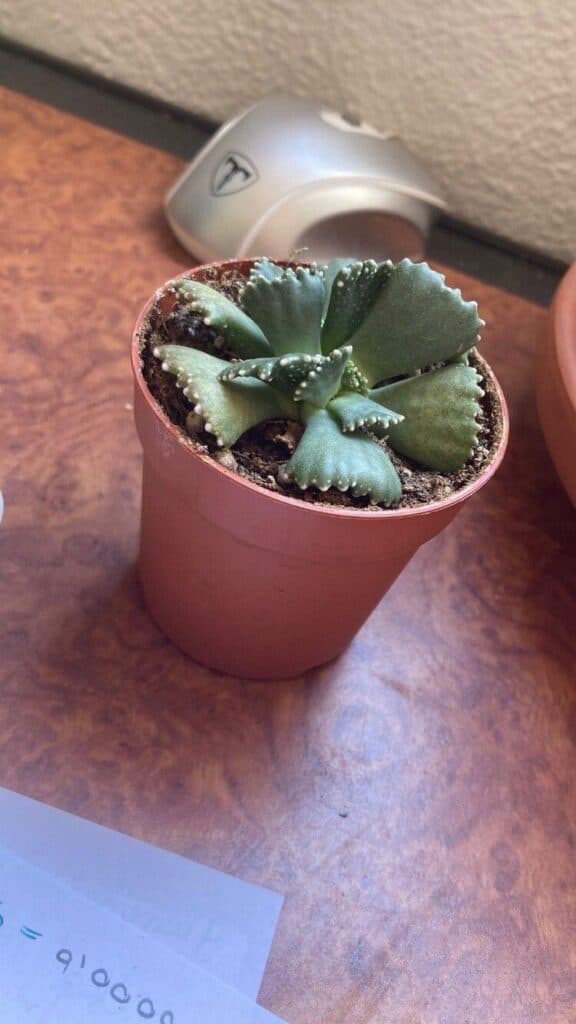
Multiply Your Miniature Marvels: A Guide to Propagating Aloinopsis malherbei
The "Living Pebble" or "Jewel Plant" – Aloinopsis malherbei truly lives up to its charming names. This dwarf succulent, native to South Africa, captivates with its fleshy, stone-like leaves adorned with intricate patterns and a dazzling display of vibrant pink or yellow daisy-like flowers. If you’re smitten with these miniature wonders and want to expand your collection, propagating them is an enjoyable and rewarding journey.
Seeds vs. Cuttings: Choosing Your Propagation Path
Aloinopsis malherbei can be propagated through two primary methods: seeds and cuttings.
1. Seeds: A Test of Patience and Precision
- Best time to sow: Spring or early summer
- Pros: Economical, potentially yields numerous plants
- Cons: Time-consuming, requires careful attention
Process:
- Surface sow: Sprinkle seeds on a well-draining seed-starting mix. Do not bury them.
- Mist lightly: Keep the soil consistently moist but not soggy.
- Warmth and light: Provide bottom heat (70-75°F) and bright, indirect light.
- Patience is key: Germination can take anywhere from a few weeks to several months.
- Transplant carefully: Once seedlings have several sets of true leaves, pot them in individual containers.
2. Cuttings: A Faster Route with Established Plants
- Best time to take cuttings: Spring or early summer
- Pros: Quicker results, plants retain characteristics of the parent plant
- Cons: Requires a healthy, established plant
Process:
- Select a healthy leaf: Choose a plump, firm leaf from the outer edges of the plant.
- Allow to callous: Leave the leaf to dry and form a callus over the cut end (1-2 days).
- Plant the cutting: Insert the calloused end into a pot filled with well-draining succulent mix.
- Bright, indirect light: Place the pot in a location with bright, indirect sunlight.
- Water sparingly: Mist the soil only when the top inch feels dry.
- Root development: New roots will form within a few weeks, followed by a small rosette at the base.
Nurturing Your New Aloinopsis
Regardless of your chosen propagation method, ensure your new Aloinopsis thrives:
- Well-draining soil: Use a gritty, well-draining soil mix specifically formulated for succulents and cacti.
- Bright, indirect light: Provide at least 4-6 hours of bright, indirect sunlight daily.
- Water sparingly: Allow the soil to dry out completely between waterings. Overwatering leads to root rot.
- Fertilize occasionally: Feed diluted fertilizer during the growing season (spring and summer).
Propagating your Aloinopsis malherbei might require a touch of patience, but watching new life emerge from a tiny seed or a single leaf is undeniably rewarding. With these tips, you can confidently multiply your "Living Pebble" collection and enjoy their captivating charm for years to come.