
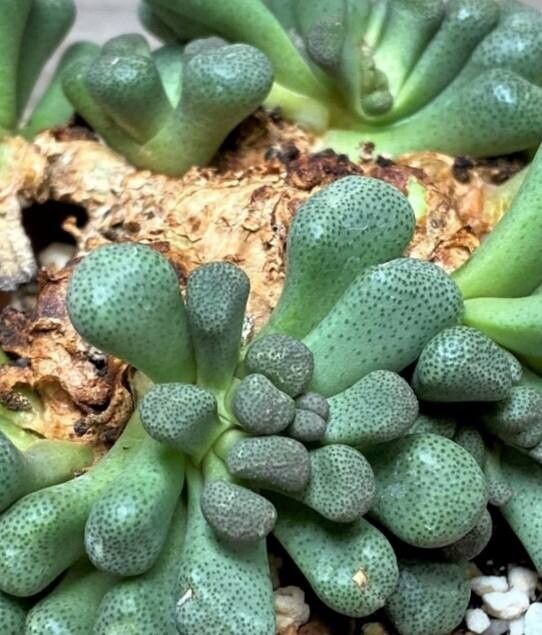
Unlocking the Secrets to Multiply Your Aloinopsis schooneesii: A Propagation Guide
Aloinopsis schooneesii, with its clusters of fleshy, grey-green leaves and vibrant pink flowers, is a captivating succulent that can add a touch of desert charm to any home. While relatively low-maintenance, many enthusiasts wonder about the best ways to propagate this little beauty. If you’re eager to expand your Aloinopsis collection or share its unique appeal with friends, you’ve come to the right place! This guide will delve into the fascinating world of Aloinopsis schooneesii propagation.
Two Paths to Propagation:
While Aloinopsis schooneesii might seem like a mystical succulent, propagating it is surprisingly straightforward. You have two primary methods at your disposal:
1. Seed Propagation: A Journey of Patience and Reward
-
The Process:
- Sowing Time: Spring or early summer offers the ideal warmth and light for germination.
- Soil Mix: Opt for a well-draining, gritty soil mix specifically designed for cacti and succulents.
- Sowing: Scatter the tiny seeds on the soil surface, gently pressing them in without burying them.
- Moisture: Maintain a consistently moist (not soggy) environment by misting the soil surface.
- Patience: Germination can take anywhere from a few weeks to a couple of months.
-
Pros:
- Affordable: Seeds are typically more budget-friendly than purchasing established plants.
- Genetic Diversity: Seed propagation introduces variation, potentially leading to unique characteristics in your seedlings.
- Cons:
- Time-Consuming: Seedlings require several years to reach maturity and flower.
- Unpredictable Results: Not all seeds are guaranteed to germinate.
2. Leaf Cuttings: A Faster Route to Success
-
The Process:
- Selecting a Leaf: Choose a healthy, plump leaf from a mature plant.
- Callousing: Allow the cut leaf to dry and form a callus (a protective layer) for a few days to a week.
- Planting: Lay the calloused leaf on top of a well-draining soil mix.
- Indirect Light: Place the pot in a bright location with indirect sunlight.
- Watering: Water sparingly, allowing the soil to dry out completely between waterings.
- Root Development: In a few weeks, you should notice tiny roots emerging from the base of the leaf.
-
Pros:
- Faster Growth: Leaf cuttings tend to root and grow quicker than seedlings.
- Clones of the Parent: This method ensures you get plants with identical characteristics to the parent.
- Cons:
- Limited Availability: You’ll need access to a mature Aloinopsis schooneesii plant for leaf cuttings.
- Risk of Rot: Overwatering can lead to rot, especially before roots develop.
Essential Tips for Success:
No matter which propagation method you choose, keep these tips in mind:
- Well-Draining Soil: A gritty, fast-draining soil mix is crucial for preventing root rot.
- Proper Watering: Aloinopsis schooneesii are drought-tolerant and prefer infrequent, deep waterings. Allow the soil to dry out completely between waterings.
- Bright Indirect Light: These succulents thrive in bright, indirect sunlight. Avoid direct sunlight, which can scorch their delicate leaves.
Propagating your Aloinopsis schooneesii is a rewarding experience that lets you witness the plant’s life cycle firsthand. Whether you choose the patient path of seeds or the efficiency of leaf cuttings, embrace the journey and enjoy expanding your succulent family! Happy propagating!