
Unlocking the Secrets of Bladder Foxtail: A Guide to Propagating Alopecurus utriculatus
The plant world is full of fascinating characters, and Alopecurus utriculatus, also known as Bladder Foxtail, is no exception. This unique grass, with its distinctive bladder-like flower heads, might not be a household name, but its delicate beauty and resilience make it a worthwhile addition to any keen gardener’s repertoire. But how exactly do you cultivate this intriguing species? Let’s delve into the world of Alopecurus utriculatus propagation.
Understanding the Plant
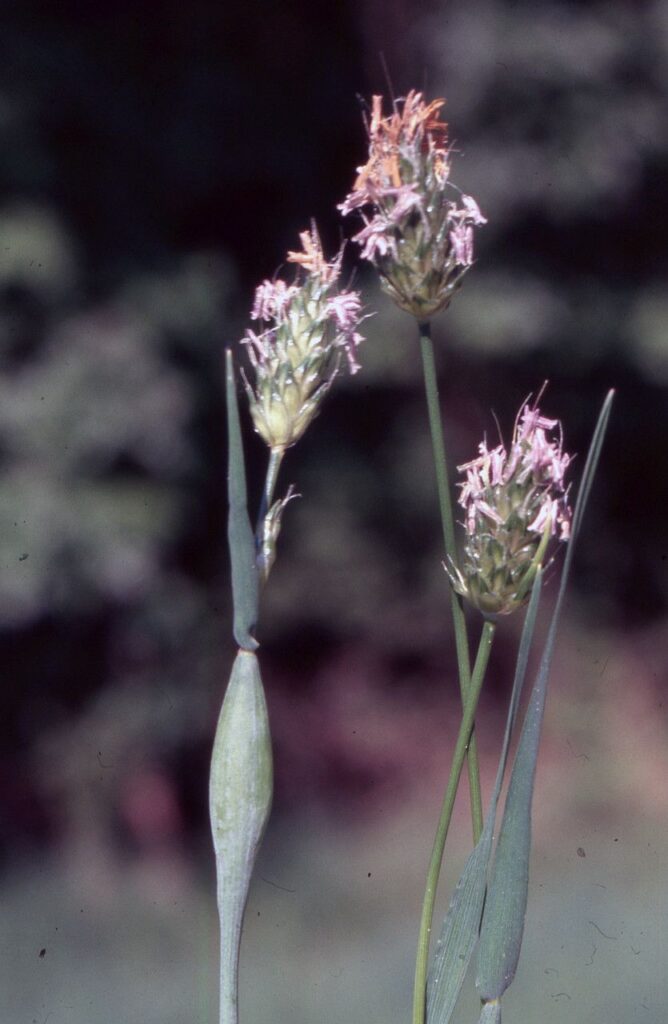
Before diving into propagation techniques, it’s essential to understand the plant itself. Native to Europe and parts of Asia, Alopecurus utriculatus thrives in damp meadows, marshes, and along the banks of rivers and streams. This perennial grass typically grows up to 70 centimeters tall and boasts slender, upright stems adorned with narrow, green leaves. The real showstopper, however, is its inflorescence – a cylindrical panicle densely packed with tiny, bladder-shaped spikelets that lend the plant its common name.
Propagation Methods: Sowing the Seeds
Propagation of Alopecurus utriculatus can be achieved through two primary methods: seed sowing and division.
1. Seed Sowing:
- Timing is Key: The best time to sow Bladder Foxtail seeds is in the spring, after the last frost has passed, or in early autumn.
- Preparing the Seedbed: Choose a location that receives plenty of sunlight to partial shade. The soil should be moist but well-drained. Prepare the area by removing weeds and loosening the soil.
- Sowing the Seeds: Scatter the seeds evenly over the prepared soil and gently press them down. Avoid burying the seeds too deep; a light covering of soil is sufficient.
- Patience is a Virtue: Germination can take anywhere from 14 to 28 days. Keep the soil consistently moist during this period but avoid waterlogging.
- Thinning Out: Once the seedlings have developed a few true leaves, thin them out to ensure proper spacing for growth.
2. Division:
- Dividing Existing Plants: Established clumps of Alopecurus utriculatus can be divided in spring or autumn. Carefully dig up the entire clump and gently tease apart the individual plants.
- Replanting: Replant the divided sections in their desired locations, ensuring the crown of each plant sits level with the soil surface. Water thoroughly after replanting.
Caring for Your Bladder Foxtail
Once established, Alopecurus utriculatus is relatively low-maintenance.
- Watering: Regular watering is crucial, especially during dry periods. The soil should be kept consistently moist but not waterlogged.
- Fertilizing: While not essential, a balanced fertilizer applied in spring can promote healthy growth.
- Pruning: Dead foliage can be trimmed back in late winter or early spring to maintain a tidy appearance.
Bringing the Beauty of Bladder Foxtail to Your Garden
Alopecurus utriculatus might not boast vibrant blooms, but its understated elegance and architectural form make it an excellent choice for adding texture and movement to garden beds and borders. Consider pairing it with other moisture-loving plants like Iris, Ligularia, or Astilbe for a striking display. These graceful grasses also lend themselves well to naturalistic planting schemes, adding a touch of wild beauty to ponds, streams, and bog gardens.
So, whether you’re a seasoned gardener or a passionate beginner, consider adding the unique charm of Alopecurus utriculatus to your outdoor space and enjoy the satisfaction of cultivating this fascinating and beautiful grass.