
Unlocking the Secrets of Growing Saltbush Verbena: Propagation Made Easy
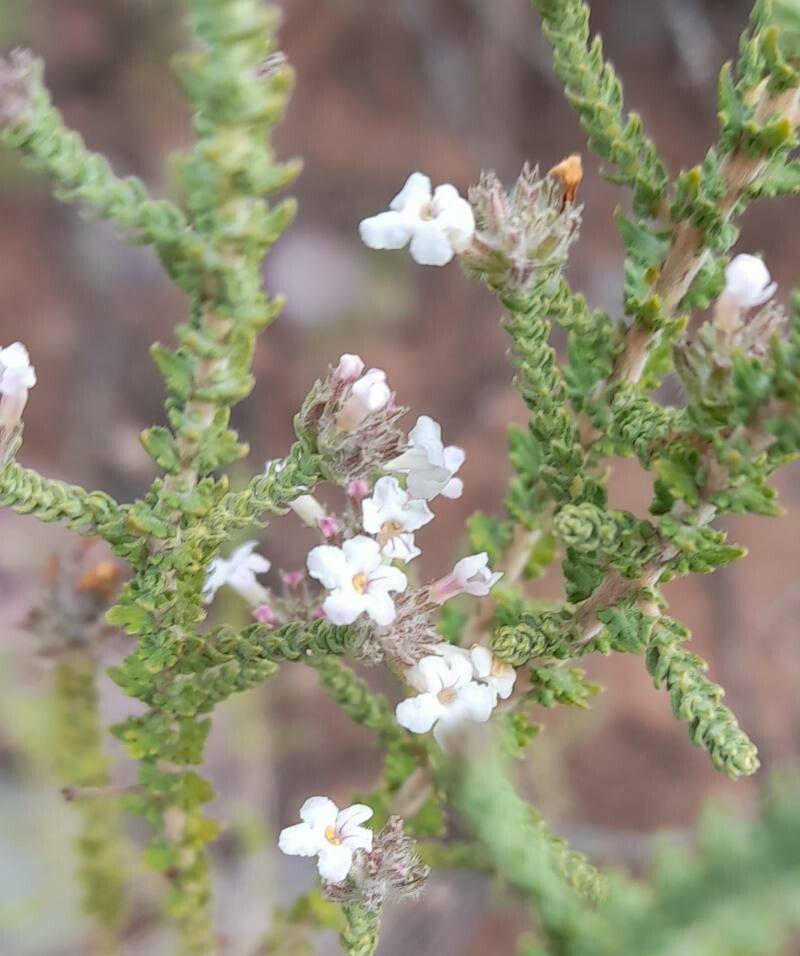
Saltbush verbena (Aloysia salsoloides) is a delightful shrub native to the southwestern United States. With its airy, delicate foliage reminiscent of rosemary and clusters of tiny white flowers that attract pollinators, it’s no wonder gardeners are increasingly adding this drought-tolerant beauty to their landscapes. But if you’re hoping to expand your saltbush verbena collection or share its charm with others, propagation is key.
While saltbush verbena isn’t as common in nurseries as other drought-tolerant plants, don’t worry – propagating this resilient species is surprisingly achievable, even for beginners! Let’s explore two successful methods:
1. Propagation from Seed:
Timing is Key:
Gather seeds in late summer or fall when the tiny, nut-like fruits mature and turn brown. Look for seeds that readily fall from the plant when gently tapped.
Sowing for Success:
- Scarification (optional): Gently rub the seeds between two pieces of sandpaper to lightly nick the outer layer. This can improve water absorption and germination rates.
- Cold Stratification: To mimic natural winter conditions, mix the seeds with damp sand and store them in a sealed bag in your refrigerator for 6-8 weeks.
- Planting Time: Sow the seeds in a seed-starting mix, barely covering them with soil. Keep the soil consistently moist but not soggy.
Patience is a Virtue:
Seed germination can be slow and erratic. Be patient; some seeds may take several weeks or even months to sprout.
From Seedling to Success:
Once your seedlings have developed a couple of sets of true leaves, transplant them into individual pots filled with well-draining soil. Gradually acclimate them to outdoor conditions before planting them in the ground after the last frost.
2. Propagation from Cuttings:
The Art of the Cutting:
- Timing: Take softwood cuttings in spring or early summer when the plant is actively growing.
- Selection: Choose healthy, non-flowering stems that are about 4-6 inches long.
- Preparation: Remove the leaves from the bottom half of the cutting, leaving 2-3 sets of leaves at the top.
Rooting for Success:
- Hormone Boost: (Optional, but recommended) Dip the cut end of the stem in rooting hormone powder to encourage faster root development.
- Planting Medium: Insert the cuttings into a well-draining rooting mix or a 50/50 blend of peat moss and perlite.
- Moisture is Key: Keep the rooting medium consistently moist but not waterlogged. Using a humidity dome or covering the pot with a plastic bag can help maintain humidity.
New Life Emerges:
After 4-6 weeks, gently tug on the cuttings to check for resistance, a sign that roots have developed. Once rooted, transplant the cuttings into individual pots and gradually acclimate them to outdoor conditions before planting.
Cultivating Your Success:
Regardless of your chosen propagation method, provide your young saltbush verbena plants with plenty of sunlight, well-draining soil, and occasional deep watering once established. With a little patience and care, you’ll be rewarded with these enchanting plants, adding texture and pollinator-friendly blooms to your garden for years to come.