
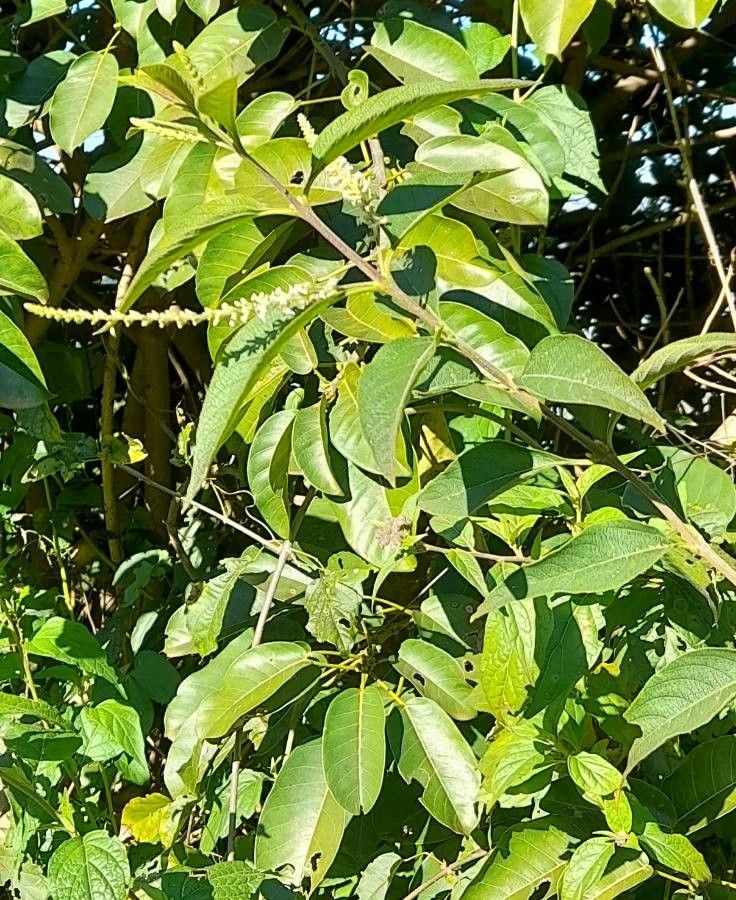
From Snipping to Thriving: Mastering the Art of Propagating Lemon Verbena
Lemon verbena (Aloysia virgata), with its intoxicating citrusy aroma and versatility in the kitchen and garden, is a plant many dream of having. But what if we told you securing your own lemon verbena haven is surprisingly simple? That’s right, the magic of propagation can bring the joy of lemon verbena to your own space.
Why Propagation?
Propagating lemon verbena offers a unique approach to growing this fragrant plant. Unlike buying a sapling, it allows you to witness the full life cycle, from tiny cutting to strong, thriving plant. Here’s why it’s worth your time:
- Cost-effective: You can easily create multiple plants from just a few cuttings.
- Genetic continuity: By propagating, you ensure the unique characteristics of your plant are preserved across generations.
- Sense of achievement: There’s a distinct satisfaction in watching a cutting transform into a lush plant.
Methods of Lemon Verbena Propagation
Lemon verbena can be easily propagated using two methods:
1. Cuttings: This is the most common and simplest method.
- Hardwood Cuttings (Winter): During winter dormancy, take 6-8 inch cuttings from mature stems. Trim the bottom leaves and dip the cut end in rooting hormone. Plant them in a pot filled with a sterile potting mix and keep them moist.
- Softwood Cuttings (Summer): In summer, select semi-hardwood stems, ideally from new growth. These cuttings are more delicate. While the process is similar to hardwood cuttings, you’ll want to use a smaller pot and keep the cuttings in a humid environment.
2. Air Layering: This method involves creating a new plant right on the existing stem.
- Selecting the Stem: Choose a healthy, mature stem on your parent plant.
- Making the Wound: Gently scrape away a small section of the bark around the stem.
- Applying Rooting Hormone: Apply a rooting hormone to the exposed area.
- Wrapping the Wound: Wrap the wound with damp sphagnum moss held in place with tape.
- Root Formation: Within a few weeks, roots will start to form in the moss.
- Separating the Plant: Once the roots are well-developed, you can carefully cut the stem below the moss and pot the new plant.
Tips for Success
- Sharp Tools: Clean, sharp pruning shears are essential for clean cuts which encourage root development.
- Light and Temperature: Provide bright, indirect light and a warm environment.
- Consistent Moisture: Maintain consistent moisture for cuttings and air layers.
- Patience: Patience is key! Propagation takes time, and root development can be slow.
Beyond Propagation: Enjoying Your Lemon Verbena
Once your newly propagated lemon verbena plants are established, you’ll be amazed by their versatility. Use them in dishes, infuse teas, or even create a beautiful and aromatic addition to your garden!
Lemon verbena propagation isn’t just about growing a plant; it’s about connecting with the natural world, appreciating the slow magic of growth, and enjoying the endless possibilities of this versatile herb. So, grab your shears, a little rooting hormone, and embark on your own propagation journey! You might just be surprised at the rewarding experience it brings.