
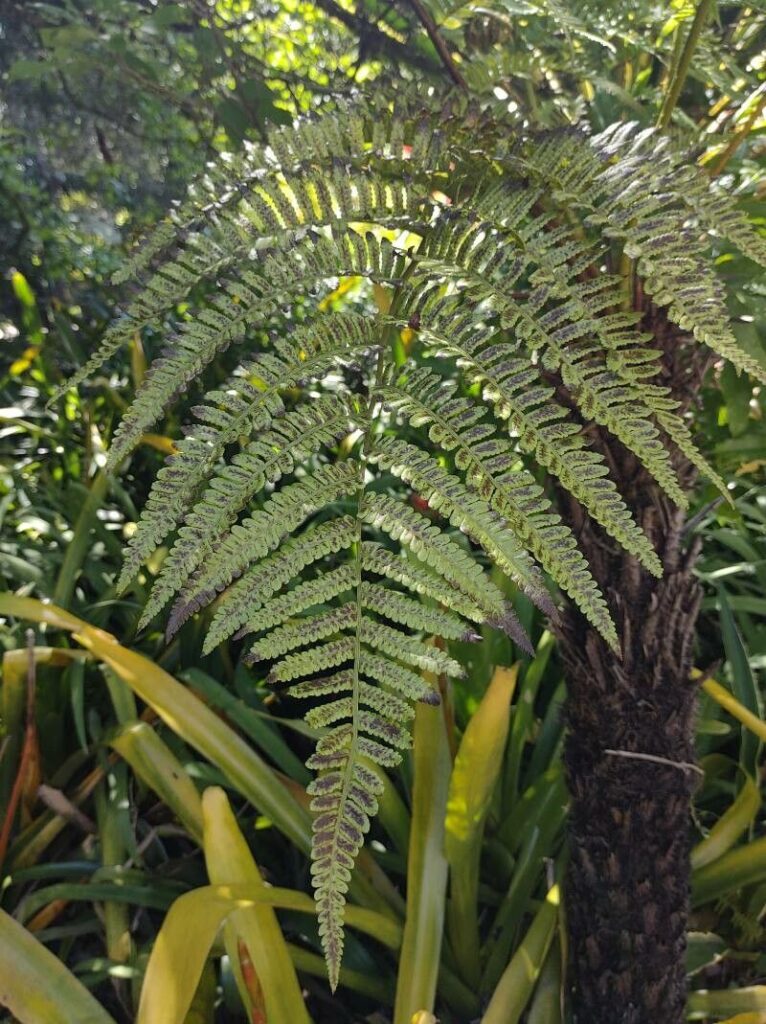
From Spore to Stature: Unlocking the Secrets of Alsophila celsa Propagation
Alsophila celsa, the majestic tree fern, is a stunning sight with its towering trunk and cascading fronds. But how do these magnificent plants come to be? The answer lies in a process called propagation. Unlike many familiar plants, Alsophila celsa doesn’t reproduce through seeds, but rather through the intricate world of spores.
A Journey from Spore to Fern
The lifecycle of Alsophila celsa is a fascinating example of natural magic. Here’s a glimpse into the journey:
-
Spore Production: The fern releases tiny spores, barely visible to the naked eye, from the underside of its fronds. These spores are essentially the plant’s seeds, packed with genetic information.
-
Germination: When the spores encounter a suitable environment, usually moist and shaded, they germinate. They develop into heart-shaped structures called prothalli.
-
Fertilization: Prothalli are the “gametophyte” generation of the fern, responsible for producing both egg and sperm cells. Fertilization occurs when sperm meets egg, resulting in a new, single-celled zygote.
- Sporophyte Development: The zygote, marking the beginning of the “sporophyte” generation, begins to grow into a recognizable fern plant. It develops roots, a stem (the trunk), and fronds.
Unlocking Propagation Techniques
While the natural cycle is captivating, propagating Alsophila celsa yourself is a rewarding experience.
1. Spore Propagation: This is the most common and authentic way to propagate Alsophila celsa. Here’s a tried-and-true method:
- Spore Collection: Harvest mature spores from the underside of fronds.
- Prepare a Growing Medium: Mix equal parts peat moss, vermiculite, and perlite. Sterilize the mixture to reduce the risk of fungal infection.
- Sowing: Spread the spores evenly over the surface of the growing medium.
- Moisture and Light: Keep the medium consistently moist but not waterlogged. Provide indirect, filtered light.
- Patience: Germination can take several weeks, even months. Be patient and observe the emergence of prothalli.
2. Division: Some established Alsophila celsa plants might develop offshoots, or pups, growing from the base of the trunk.
- Separate carefully: When the pup is sufficiently mature and has its own root system, carefully separate it from the mother plant.
- Replant in a suitable pot: Use the same potting mix used for spore propagation and ensure adequate drainage.
Key Considerations
- Environment: Alsophila celsa thrives in warm, humid climates. Provide adequate humidity and warmth, especially during germination.
- Light: These ferns prefer bright, indirect light. Avoid direct sunlight as it can scorch the fronds.
- Watering: Keep the soil consistently moist but not waterlogged. Ensure good drainage to prevent root rot.
- Fertilization: Fertilize regularly with a balanced liquid fertilizer, especially during the growing season.
Cultivating a Majestic Presence
Propagating Alsophila celsa is an enriching journey. From the initial fascination with its spores to the rewarding sight of a young fern unfurling its fronds, the experience is truly fulfilling. By understanding the secrets of their propagation, you can bring a touch of the tropics into your life and cultivate these stately giants with passion and dedication.