
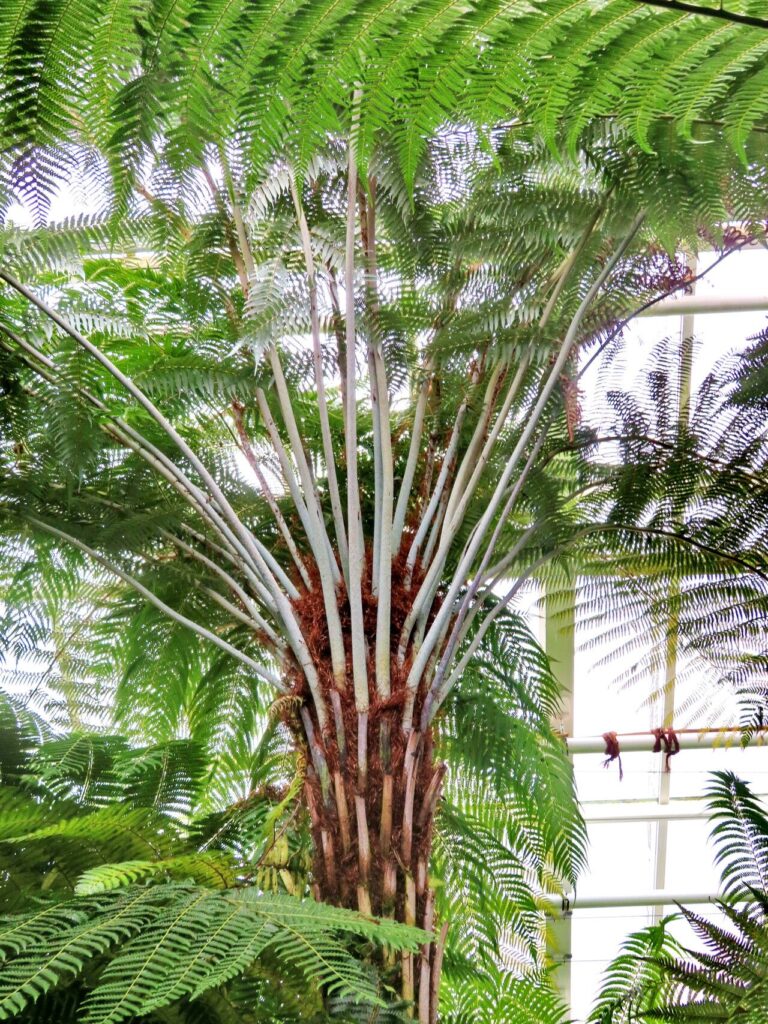
Unfurling New Life: Propagating the Majestic Alsophila tricolor
The Alsophila tricolor, commonly known as the “Tricolor Tree Fern,” is a captivating plant that graces homes and gardens with its elegant, majestic beauty. Its lush, vibrant fronds offer a touch of the tropics, and its unique appearance makes it a standout addition to any plant collection. But what if you could share this beauty with others, or even create a whole new grove of these stunning ferns? That’s where propagation comes in.
Understanding the Process:
For many plants, propagation involves taking cuttings or seeds and cultivating them into new individuals. However, Alsophila tricolor, being a fern, takes a slightly different approach. It relies on the formation of spores, tiny structures that allow for asexual reproduction. Let’s dive into the steps of propagating this fascinating plant.
Step 1: Spore Collection:
The first step is to identify the spores. They are typically found on the underside of fertile fronds, often clustered in brown or black patches called sori. These sori contain hundreds of microscopic spores, ready to embark on their journey to become new ferns.
Step 2: Spore Preparation:
Once collected, the spores need to be prepped for germination. This involves removing debris and drying the spores. A gentle brushing or light rubbing helps to release the spores from the sori.
Step 3: Sowing the Spores:
The spores are then sown onto a sterile medium, like peat moss or a mixture of peat moss and vermiculite. This medium provides the spores with the necessary moisture and nutrients. The ideal environment for germination is warm and humid, around 70-75 degrees Fahrenheit, and with high humidity levels.
Step 4: Germination and Development:
Within a few weeks, tiny green structures called prothalli will emerge from the spores. These are the gametophyte generation of the fern lifecycle, responsible for producing the sperm and egg cells needed for fertilization.
Step 5: Baby Ferns:
After fertilization, the sporophyte generation begins, and tiny fern plants emerge from the prothalli. These young ferns require a moist, shaded environment to thrive.
Tips for Success:
- Sterility is paramount: Use clean tools and avoid contamination during all stages to prevent fungal or bacterial growth.
- Consistent moisture: The growing medium must be kept moist, but not soggy.
- Indirect light: Young fern plants need bright, indirect light. Avoid exposing them to direct sunlight.
- Patience is key: Propagation of Alsophila tricolor can take months, even years, for spores to mature into mature ferns.
Beyond the Basics:
While spore propagation is the natural method, you can also try dividing an existing plant to create new ones. This is a faster method, but it can be stressful for the parent plant.
Adding a touch of magic:
Propagating Alsophila tricolor is more than just a gardening project; it’s an opportunity to witness the incredible cycle of life and contribute to the propagation of a truly beautiful and unique plant. The process, from collecting spores to nurturing the young fernlets, is a journey of discovery and wonder, a testament to nature’s resilience and the captivating beauty of ferns.