
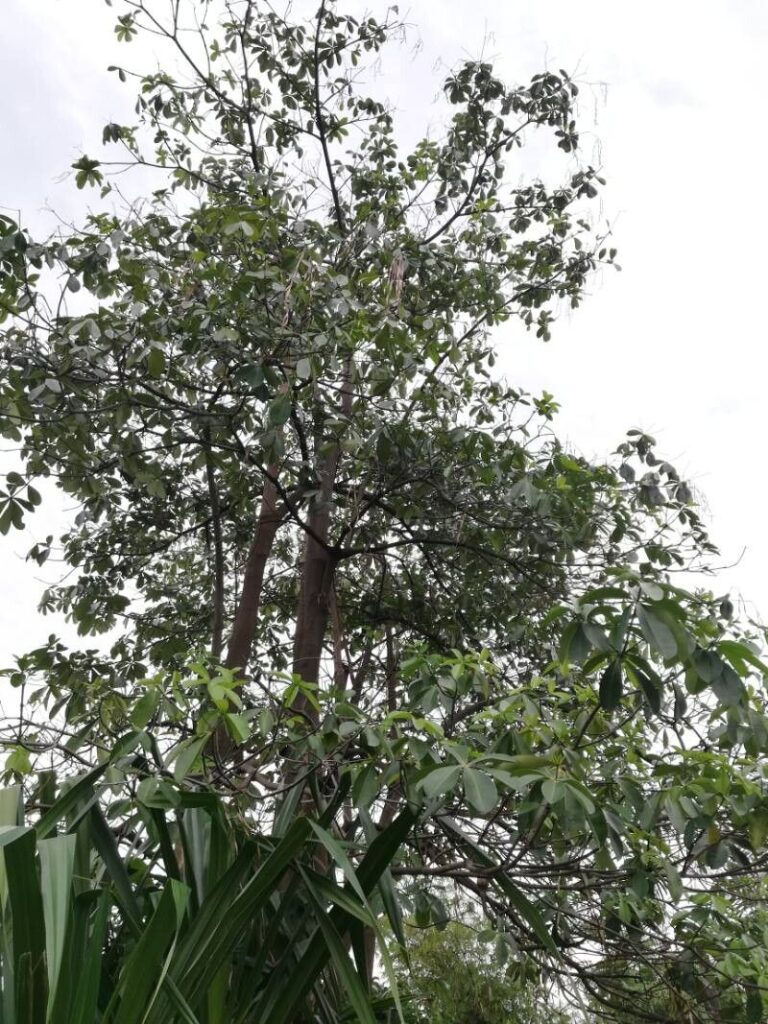
From One to Many: Propagating the Elegant Alstonia Congensis
The Alstonia congensis, with its graceful, layered branches and stunning foliage, is a popular choice for indoor and outdoor landscapes. But what happens when you find a specimen you absolutely adore? How do you create more of these magnificent plants without breaking the bank at the nursery? The answer lies in the art of propagation.
Understanding Alstonia congensis Propagation
Alstonia congensis, also known as the “White Cheesewood” or “African Rubber Bush,” is a relatively easy plant to propagate. It readily produces roots from cuttings, making it a great choice for beginners and experienced gardeners alike.
Methods of Propagation
There are two main methods of propagation for Alstonia congensis:
-
Stem Cuttings: This is the most common and successful method.
- Timing is Key: The ideal time to take cuttings is during the spring or summer when the plant is actively growing.
- Selecting the Cuttings: Cuttings should be taken from healthy, non-flowering stems, about 4-6 inches in length with at least two sets of leaves.
- Prepare Your Cuttings: Remove the leaves from the bottom inch or two of the cutting and dip the cut end in rooting hormone to promote root growth.
- Rooting Medium: Plant your cuttings in a well-draining potting mix, such as a blend of peat moss, perlite, and vermiculite.
- Create a Greenhouse Environment: Cover the cuttings with a plastic dome or bag to create a humid environment, which is ideal for root formation.
- Maintain Consistent Conditions: Keep the cuttings in a warm, bright spot with indirect sunlight and mist them regularly to keep the soil moist.
- Root Development: You should see new roots developing within a few weeks to a month. Once the roots are established, the young plants can be gradually acclimated to normal growing conditions.
- Air Layering: This method is less common but can be quite successful.
- Selecting a Branch: Choose a healthy, mature stem, about 3-4 inches thick, and make a circular cut around the branch.
- Applying Rooting Hormone: Apply rooting hormone or a mixture of horticultural charcoal and rooting hormone to the exposed area of the cut.
- Wrapping It Up: Wrap the treated area with damp sphagnum moss and cover with clear plastic film, securing it with tape.
- Moist and Warm: Regularly mist the moss to keep it moist and maintain a warm temperature.
- New Roots Emerge: Within a few months, you should see new roots growing within the moss. Once the roots are well-established, you can carefully cut the branch below the root ball and plant it in a pot.
Tips for Success
- Sterilization: To prevent fungal infections, sterilize your cutting tools with rubbing alcohol before making cuts.
- Watering: Ensure that the soil remains consistently moist, but not soggy.
- Patience: Propagation takes time, don’t rush the process.
Enjoy Your New Plants
Once your propagated Alstonia congensis plants are established, you can enjoy their stately beauty in your home or garden. The satisfying feeling of bringing new life to a plant, from a single cutting to a whole new generation, makes propagation a rewarding endeavor for anyone with a green thumb—and a passion for beautiful plants.