
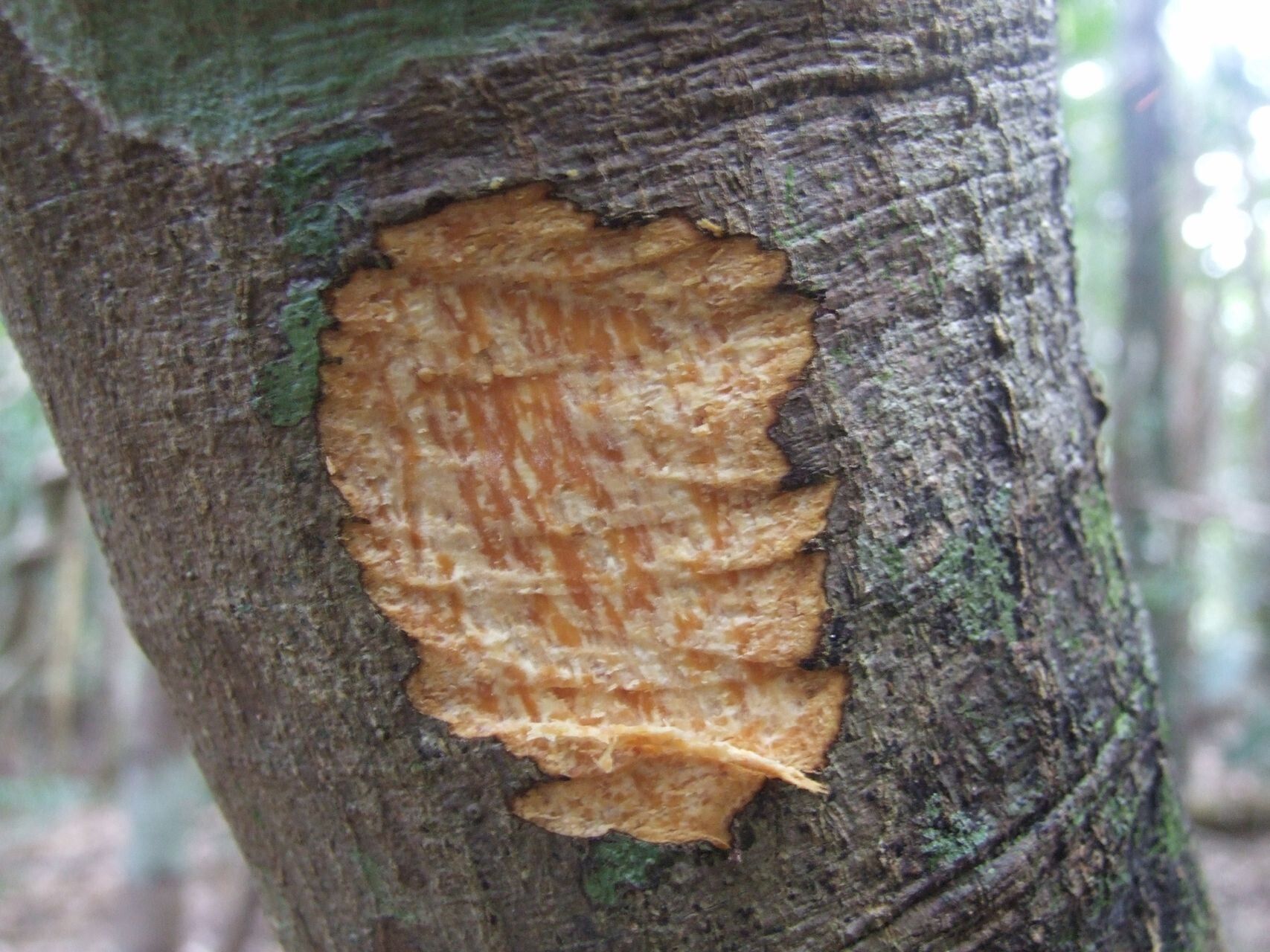
Unlocking the Secrets of the Milkwood: Propagating Alstonia Costata
The Milkwood, or Alstonia costata, is a handsome evergreen tree native to Australia. With its glossy leaves, delicate white flowers, and intriguing seed pods, it’s a striking addition to gardens in suitable climates. But did you know this botanical beauty can be a bit of a diva when it comes to propagation? Don’t worry, though! We’re about to unlock the secrets to successfully growing new Milkwood trees.
Understanding the Alstonia Costata
Before we dive into propagation techniques, it’s helpful to understand the Milkwood’s lifecycle. These trees produce long, slender seed pods that split open when mature, revealing numerous, flat seeds with a tuft of hairs at each end. These seeds are dispersed by the wind and readily germinate under the right conditions.
Choosing Your Propagation Method
While Milkwood readily propagates from seed, success relies on timing and technique.
1. Seed Propagation:
- Collecting Seeds: Collect fresh seeds from open pods, ideally in late spring or early summer. Remove any remaining pod material and those pesky hairs, as they can harbor mold.
- Sowing: Sow seeds directly into well-draining seed-raising mix, pressing them lightly into the surface. Avoid burying them deeply.
- Environment: Milkwood seeds thrive in warm, humid conditions. A heated propagator or a warm, bright windowsill is ideal. Mist the soil regularly to maintain moisture.
- Germination: With a bit of luck, you’ll see tiny seedlings emerge within 2-4 weeks. Be patient, as germination times can vary.
2. Cuttings (Less Reliable):
- Timing is Key: While possible, success with cuttings is less consistent. Take cuttings from mature, healthy wood in late spring or early summer when the plant is actively growing.
- Preparation: Choose semi-hardwood cuttings about 4-6 inches long, cutting just below a leaf node. Remove the lower leaves and wound the base slightly to encourage root development.
- Hormones: Dipping the base in rooting hormone can increase your chances of success.
- Planting: Plant the cuttings in a well-draining rooting mix and keep them consistently moist and in a warm, humid environment.
Caring for Your Milkwood Progeny
Once your seeds have germinated or your cuttings have rooted, congratulations! You’ve successfully propagated your Alstonia costata. Now it’s time to nurture them:
- Light: Young Milkwood trees prefer bright, indirect light. Once established, they can tolerate full sun.
- Watering: Water regularly, allowing the soil to dry slightly between waterings.
- Fertilizing: Feed your young trees with a balanced liquid fertilizer every few weeks during the growing season.
- Potting Up: Up-pot your Milkwood into larger containers as they grow to accommodate their expanding root systems.
Enjoy the Journey!
Propagating Alstonia costata is a rewarding experience, allowing you to witness the miracle of plant life firsthand. With a little patience and care, you can enjoy the beauty of these unique Australian natives in your garden for years to come. Just remember, practice makes perfect, so don’t be discouraged if your first attempt isn’t fruitful. Keep experimenting and enjoy the journey!