
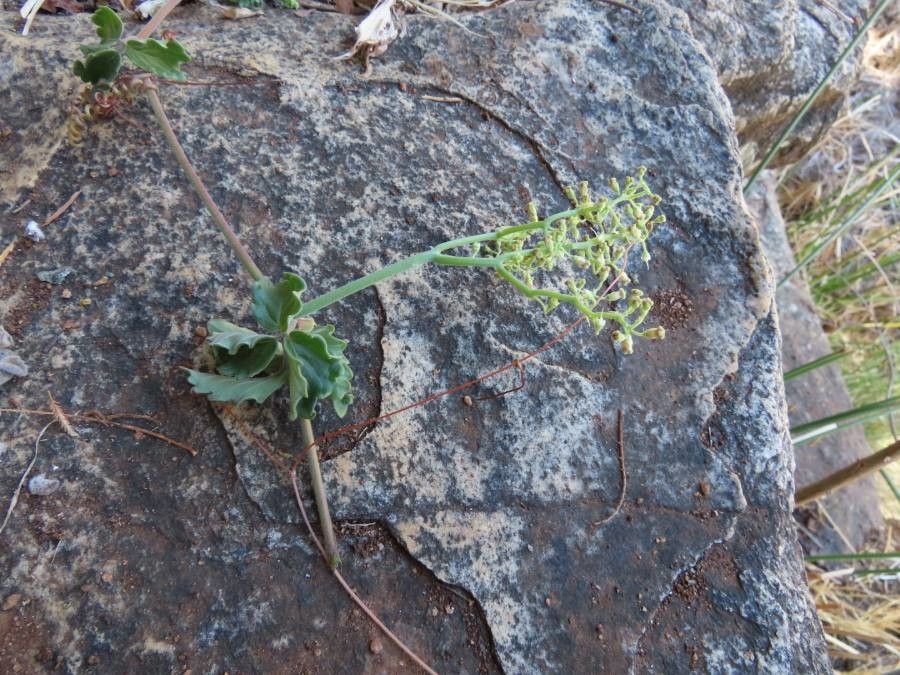
Unlocking the Secrets of Cyphostemma Digitatum Propagation: A Step-by-Step Guide
The world of caudiciform plants is filled with unique and fascinating species, and Cyphostemma digitatum, with its swollen, textured trunk and intriguingly shaped leaves, is no exception. Also known as the “Butter Tree” or “Transvaal Bottle Vine”, this South African native can be a showstopper in any collection. But what about propagating this fascinating plant? It can seem daunting, but fear not! Let’s demystify the process and equip you with the knowledge to propagate your very own Cyphostemma digitatum.
Two Paths to Propagation:
Cyphostemma digitatum can be propagated through two primary methods:
1. Seed Propagation:
This method offers the satisfaction of growing a plant from the very beginning. Here’s how:
- Obtain fresh seeds: Sourcing from a reputable seller is crucial for viability.
- Prepare your seeds: Soak the seeds in lukewarm water for 24 hours to improve germination rates.
- Choose a well-draining soil mix: A blend of seedling mix and perlite or pumice works well.
- Sow your seeds: Plant the seeds about 1/2 inch deep, keeping the soil lightly moist.
- Provide warmth and humidity: A heat mat and humidity dome can be beneficial, maintaining a temperature around 75°F (24°C).
- Be patient: Germination can take anywhere from a few weeks to several months.
- Gradually acclimate seedlings: Once seedlings are a few inches tall, slowly introduce them to lower humidity and brighter light conditions.
2. Stem Cuttings:
This method offers a faster route to a mature plant. Here’s the breakdown:
- Timing is key: Spring or early summer, during active growth, is ideal.
- Select healthy stems: Choose firm, healthy stems with at least two nodes.
- Make clean cuts: Use a sterile, sharp knife or pruning shears for precise cuts.
- Allow the cuttings to callus: Leave the cuttings in a dry, shaded area for a few days to allow the cut end to dry and callus over.
- Hormone boost (optional): Dipping the callused end in rooting hormone can encourage faster root development.
- Plant your cuttings: Insert the callused end into a well-draining potting mix.
- Maintain moisture and warmth: Keep the soil lightly moist (not soggy) and provide bottom heat if possible.
- Watch for growth: New growth indicates successful rooting, which typically takes several weeks.
Essential Care Tips:
Regardless of the method you choose, here are a few crucial care tips to ensure success:
- Well-draining soil is paramount: Cyphostemma digitatum are prone to root rot if the soil retains too much moisture.
- Light is essential: Provide your plants with bright, indirect light for optimal growth.
- Watering with caution: Allow the soil to dry out completely between waterings to mimic their natural dry environment.
- Fertilize sparingly: During the growing season, feed your plant with a diluted, balanced fertilizer every few weeks.
Propagating Cyphostemma digitatum, while requiring a bit of patience and care, can be a rewarding experience. By following these steps and understanding the plant’s needs, you can successfully multiply your collection and enjoy the unique beauty of these charismatic caudiciforms for years to come!