
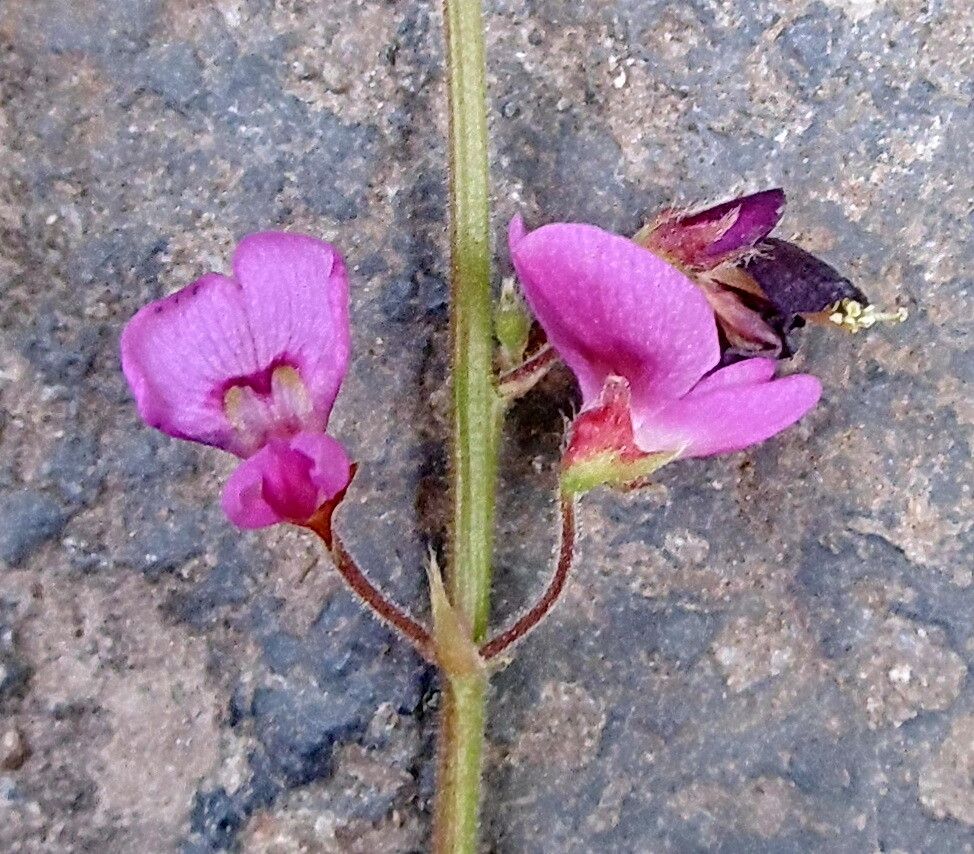
From Seed to Success: Propagating the Versatile Alysicarpus vaginalis
Alysicarpus vaginalis, often referred to as “Alyceclover” or “Buffalo Clover,” is a fascinating plant with a surprising number of uses. It’s a nitrogen-fixing legume, making it a valuable cover crop and soil improver. Beyond its agricultural benefits, it’s also a popular choice for erosion control and even animal feed. But how do you get your hands on this versatile plant? In this article, we’ll explore the fascinating world of Alysicarpus vaginalis propagation, from seed to successful establishment.
The Power of Seeds: Alysicarpus vaginalis from Scratch
The most common and effective method for propagating Alysicarpus vaginalis is through seeds. These tiny, brown seeds hold a wealth of potential, ready to sprout and develop into robust plants.
- Sourcing Seeds: Finding Alysicarpus vaginalis seeds is relatively straightforward. You can purchase them from reputable seed suppliers specializing in cover crops or legume seeds. Alternatively, if you know someone with an established patch, you might be able to collect mature seed pods for propagation.
- Preparing for Planting: Like all plants, Alysicarpus vaginalis thrives in well-prepared soil. Choose a sunny spot with loose, well-drained soil. If you have a heavy soil type, consider amending it with compost or organic matter to improve drainage and aeration.
- Direct Seeding: The simplest approach is direct seeding. Scatter the tiny seeds directly onto the prepared soil surface, ensuring minimal depth. A thin layer of soil, about 1/4 inch, is sufficient to cover the seeds. Water thoroughly and keep the soil consistently moist until germination occurs. Germination typically takes around 5-14 days, depending on temperature and soil conditions.
- Transplanting Seedlings: For a greater degree of control over spacing and establishment, you can start Alysicarpus vaginalis seeds indoors. Fill seed trays or small pots with a well-draining seed starting mix and sow the seeds. Keep the trays moist and warm, and expect germination within a week or two. Once seedlings have developed two or three true leaves, they can be transplanted to their permanent location.
Mastering the Art of Alysicarpus vaginalis Propagation
Beyond seed propagation, other methods exist, although they are less commonly used:
- Cuttings: While Alysicarpus vaginalis can be propagated via cuttings, this method is not as reliable as seed propagation. The success rate depends on the time of year and the maturity of the cuttings.
- Division: For established Alysicarpus vaginalis plants, division can be an effective method. Gently separate the plant into smaller clumps, ensuring each division has healthy roots and shoots. Replant the divisions carefully and water thoroughly.
Alysicarpus vaginalis: A Growing Commitment
Once your Alysicarpus vaginalis seedlings are established, they require minimal care. Ensure regular watering, especially during dry periods. Alysicarpus vaginalis is a resilient plant, tolerant of a variety of conditions. Its nitrogen-fixing capabilities mean it thrives even in nutrient-poor soils.
Alysicarpus vaginalis: A Multifaceted Plant
Alysicarpus vaginalis is more than just a plant; it’s a valuable resource with a multitude of applications. Its ability to fix nitrogen enriches the soil, promoting healthier and more productive ecosystems. From improving soil fertility to providing valuable forage for livestock, Alysicarpus vaginalis offers a sustainable and adaptable solution for various needs.
By understanding the different propagation methods and their nuances, you can confidently cultivate this versatile plant, contributing to healthier soil and a more sustainable future.