
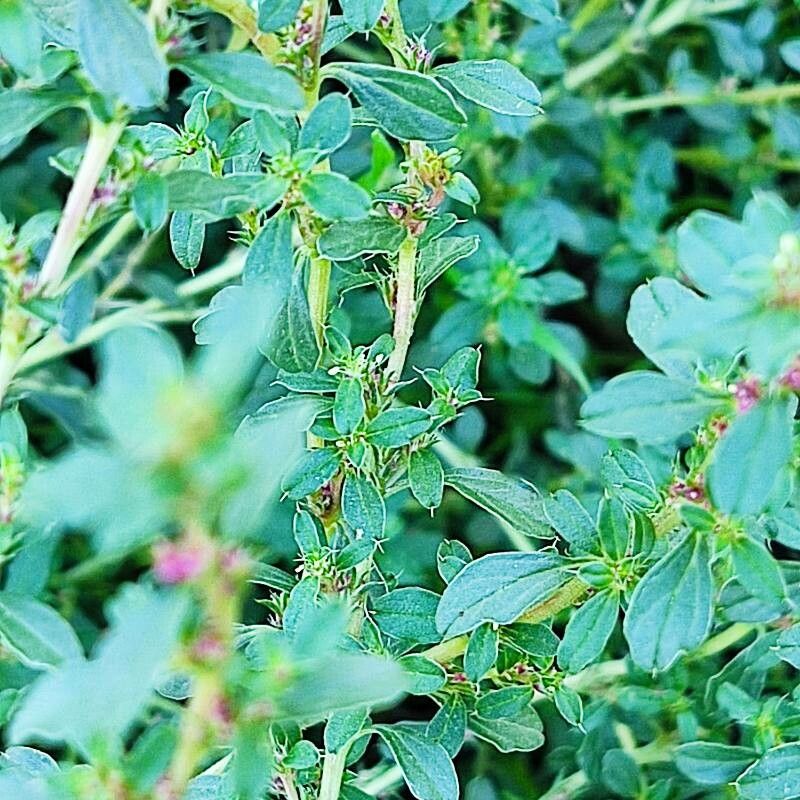
Taming the Tumbleweed: How to Propagate Amaranthus albus (White Amaranth)
You might know it as a pesky weed, a “tumbleweed” rolling across fields, but Amaranthus albus, also known as White Amaranth, is more than just a nuisance. Its resilient nature, however, makes it a fascinating plant to propagate, even if you’re not looking to cultivate it in your garden. Let’s explore how to grow this resilient species, whether for educational purposes, scientific curiosity, or simply to appreciate its unique life cycle.
Easy Propagation from Seed
Amaranthus albus is a prolific seed producer, relying on its abundant seeds for propagation. These seeds are remarkably hardy, able to germinate in a wide range of conditions. Here’s how you can take advantage of this:
-
Collect seeds: When the plant reaches maturity, its seed heads will dry and turn brown. Gently harvest the seeds by rubbing them between your fingers or using a sieve.
-
Prepare your medium: Fill a tray or pot with a seed starting mix or even a mixture of potting soil and perlite. Moisten the medium thoroughly.
-
Sow the seeds: Scatter the seeds evenly on the surface of the soil and lightly cover them with a thin layer of the medium. Don’t press them down too hard, as this can hinder germination.
-
Keep moist: Water the seed tray gently from the bottom or using a spray bottle. Keep the medium consistently moist but not soggy.
-
Sunlight: Place the tray in a warm, sunny location. Amaranthus albus prefers full sun.
- Germination: Within 1-2 weeks, you should see tiny seedlings emerge. Once they have a few true leaves, thin them out to give the remaining plants more space.
Growing White Amaranth from Cuttings
While Amaranthus albus is primarily propagated through seeds, it can also be propagated through cuttings, although this method is less common.
-
Choose healthy cuttings: Take stem cuttings of about 4-6 inches long from non-flowering stems. Make sure the cuttings have at least a few leaves.
-
Prepare the cuttings: Trim the lower leaves and dip the cut ends of the cuttings in rooting hormone powder to encourage root development.
-
Plant the cuttings: Insert the cuttings into a pot filled with moistened rooting medium. Keep the medium consistently moist.
-
Provide humidity: Cover the cuttings with a plastic dome or bag to create a humid environment.
- Patience is key: It can take several weeks for cuttings to root successfully. During this time, make sure the medium stays moist and the cuttings receive bright, indirect light.
A Bit of Caution
Amaranthus albus is known for its ability to spread quickly. It is best to cultivate this plant in a controlled environment, such as a container or a designated patch of your garden. Keep a watchful eye to prevent it from taking over your prized plants.
Why Propagate White Amaranth?
While not a traditional garden plant, understanding the lifecycle of Amaranthus albus helps us appreciate its role in nature. Its resilience and adaptability make it an interesting subject for study. Additionally, its seeds can be used as a source of food for birds or even as a sustainable alternative to conventional packaging.
So, next time you encounter a “tumbleweed” rolling across the field, don’t just dismiss it as a weed. It might just be a seed-filled capsule ready to embark on its journey of natural propagation. And if you’re feeling adventurous, perhaps you’ll even cultivate your own patch of Amaranthus albus and marvel at its tenacious spirit.