
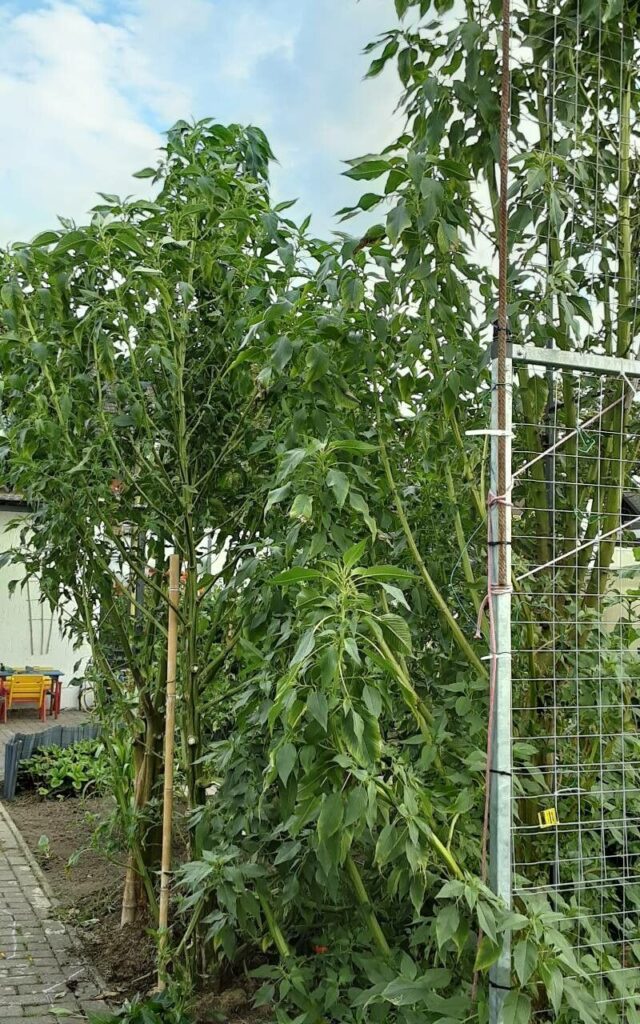
Palmer Amaranth: A Weed Warrior’s Guide to Propagation
Palmer amaranth (Amaranthus palmeri), also known as Palmer’s pigweed, is a notorious weed that’s quickly becoming a major pain for farmers and gardeners across the globe. This resilient plant thrives in disturbed soils, outcompetes crops, and exhibits strong resistance to herbicides, making it a formidable foe. But how does this weed manage to take over?
One key factor is its incredible ability to propagate. Understanding how Palmer amaranth reproduces is the first step towards effectively controlling it. Here’s a breakdown of the plant’s propagation strategies:
Seeds, Seeds, Everywhere: Palmer amaranth is primarily a seed-producing plant. Each plant can produce up to 100,000 tiny seeds, which are dispersed by wind, water, and even agricultural machinery. These seeds can remain dormant in the soil for years, waiting for the perfect conditions to germinate.
Germination: A Race Against Time: Palmer amaranth is a warm-season weed, meaning it prefers temperatures above 60°F (15°C) to germinate. It can sprout quickly in just a few days after rainfall or irrigation, giving it a fast head start over many crops. Adding to its resilience, Palmer amaranth seeds can germinate at a wide range of depths, making it difficult to control with cultivation methods.
Beyond Seeds: Vegetative Reproduction: While Palmer amaranth relies primarily on seeds, it can also reproduce vegetatively. This means it can grow new plants directly from broken stems or roots. If a piece of the plant gets left behind in the field, it can regrow, creating a new generation of weeds.
The Impact of Propagation: Palmer amaranth’s impressive reproductive strategies have a significant impact on both agriculture and the environment:
- Reduced Yields: Palmer amaranth’s rapid growth and competitive nature quickly deplete soil resources, leaving crops struggling for nutrients and water.
- Herbicide Resistance: Palmer amaranth has developed resistance to numerous herbicides, making it difficult to control with chemical methods.
- Increased Costs: Farmers face increased costs for seed treatments, herbicides, and labor to manage this challenging weed.
- Ecological Damage: Palmer amaranth can outcompete native plant species in disturbed areas, disrupting biodiversity and ecological balance.
Fighting the Weed: A Multi-Pronged Approach
Effective Palmer amaranth control requires a combined approach incorporating multiple strategies:
- Preventative Measures: Clean equipment regularly to avoid spreading seeds, employ crop rotation to break the weed’s lifecycle, and practice weed-free seed production.
- Early Detection and Removal: Hand-pulling young weeds before they go to seed is essential. This minimizes the potential seed bank in your soil.
- Integrated Pest Management (IPM): This approach combines cultural, biological, and chemical strategies to manage weeds. Using different herbicide modes of action and rotating crops can help prevent the development of herbicide resistance.
- Research and Innovation: Research efforts are ongoing to develop new and more effective control methods, including resistant crop cultivars and biological control agents.
The battle against Palmer amaranth is ongoing, but with knowledge, vigilance, and a proactive approach, we can limit its spread and protect our valuable crops and natural habitats.