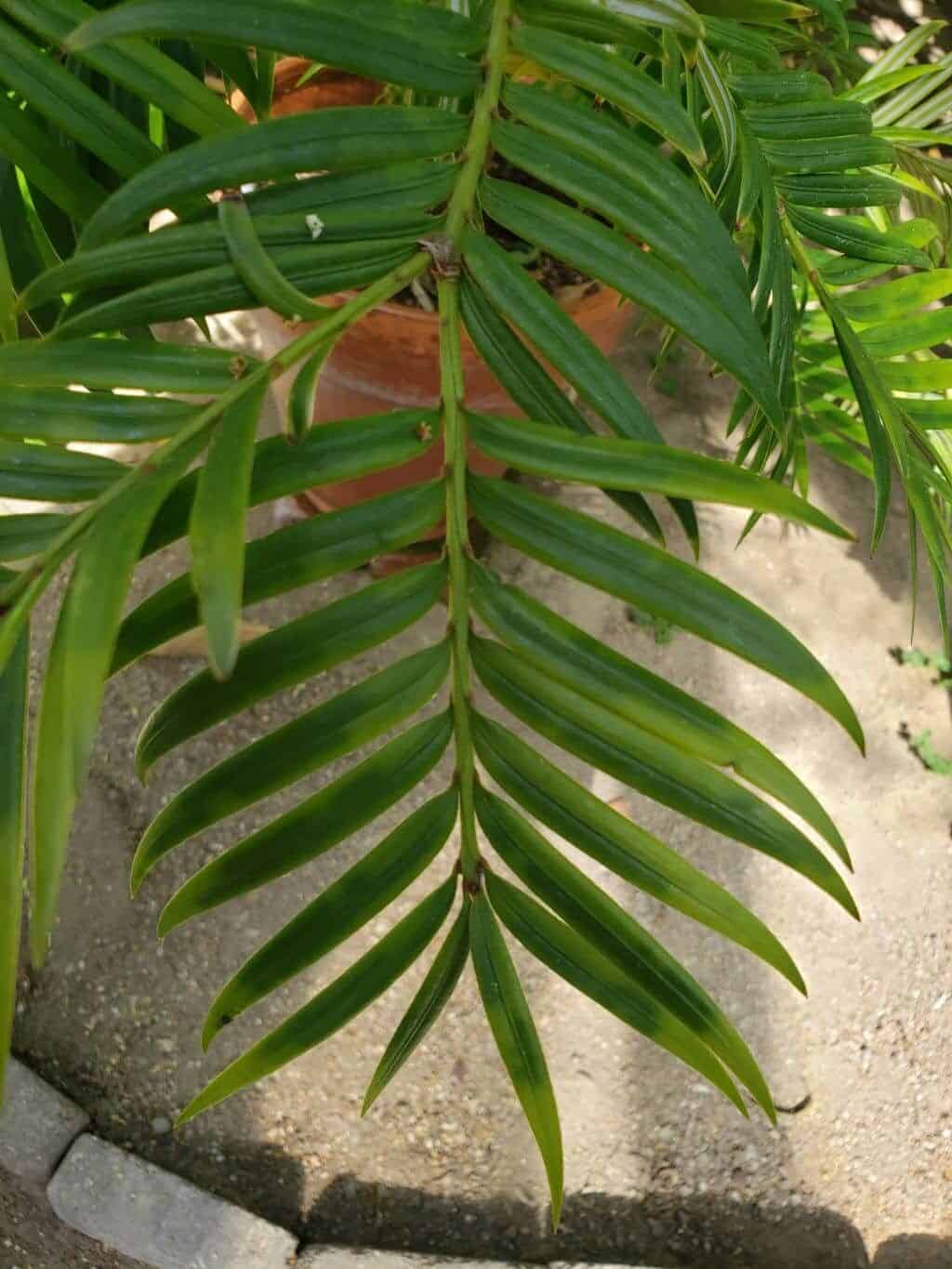
Propagating the Formosa Torreya: A Gardener’s Challenge and Reward
Introduction:
Amentotaxus formosana, commonly known as the Formosa torreya, is a rare and highly prized conifer native to Taiwan. Its slow growth, attractive dark green foliage, and unique, almost prehistoric appearance make it a coveted addition to any discerning gardener’s collection. However, its rarity and specific environmental needs translate into propagation challenges, making success a significant accomplishment. This article explores various methods of propagating Amentotaxus formosana, outlining their feasibility, challenges, and potential rewards.
Seed Germination:
Currently, there are no known reliable methods for seed germination propagation of Amentotaxus formosana. While seeds are produced, their germination rate is exceptionally low, and even with pre-treatment techniques such as stratification, consistent success remains elusive. The long dormancy period and potentially specific mycorrhizal associations required for successful germination are likely contributing factors. Further research is needed to identify reliable germination protocols for this species.
Cuttings:
Cuttings offer a more promising, albeit still challenging, method for Amentotaxus formosana propagation.
Challenges: The low rooting success rate is a significant hurdle. Cuttings often fail to develop adequate root systems, resulting in high mortality rates. This is likely due to the species’ inherent slow growth and potentially difficult-to-stimulate rooting hormones.
Practical Tips: Semi-hardwood cuttings taken in late summer or early autumn, treated with rooting hormone, and planted under high humidity in a well-draining propagation mix show the highest probability of success. Misting is crucial to maintain high humidity levels, and bottom heat can also enhance rooting. The use of growth regulators may be beneficial, but this requires further research and experimentation.
Rewards: Cuttings offer a faster method of propagation compared to seed germination (if successful), and allow for the preservation of desirable traits from the parent plant.
Division:
Division is generally not a feasible method for propagating Amentotaxus formosana. This species doesn’t readily produce suckers or offsets that can be separated and replanted successfully. The mature root system is quite deep and fragile making division extremely difficult and likely fatal to the plant.
Tissue Culture:
Tissue culture offers the most promising, albeit technically complex and expensive, method for propagating Amentotaxus formosana.
Challenges: Establishing sterile cultures and identifying suitable growth media and hormone combinations are crucial for successful propagation through tissue culture. This requires specialized equipment and expertise. Even with optimized protocols, the notoriously slow growth habit of this species can extend the propagation timeline considerably.
Practical Tips: Finding a reputable laboratory with experience in conifer tissue culture is essential. Protocols should be developed and tested to optimize shoot proliferation, rooting, and acclimatization to ex-vitro conditions.
Rewards: Tissue culture allows for mass propagation of genetically identical plants, preserving desired traits and offering potentially rapid scaling for conservation efforts or commercial production.
Conclusion:
Propagating Amentotaxus formosana presents considerable challenges, relying mainly on cuttings and, potentially in the future, tissue culture. While seed germination is currently not a viable option, the potential rewards of preserving this rare and beautiful conifer are significant. Successfully cultivating Formosa torreya from a cutting, or through the more advanced route of tissue culture, offers the gardener a profound sense of accomplishment—a testament to patience, persistence, and a deep appreciation for the wonders of the plant kingdom. The challenges inherent in the propagation process only serve to amplify the satisfaction of seeing even a single small cutting successfully establish itself, mirroring their slow-but-steady growth pattern. For aspiring propagators, remember that careful observation, meticulous attention to detail, and a willingness to learn from both successes and failures are key ingredients for success. The journey, rather than the immediate outcome, may very well be the most rewarding aspect of cultivating this remarkable plant.