
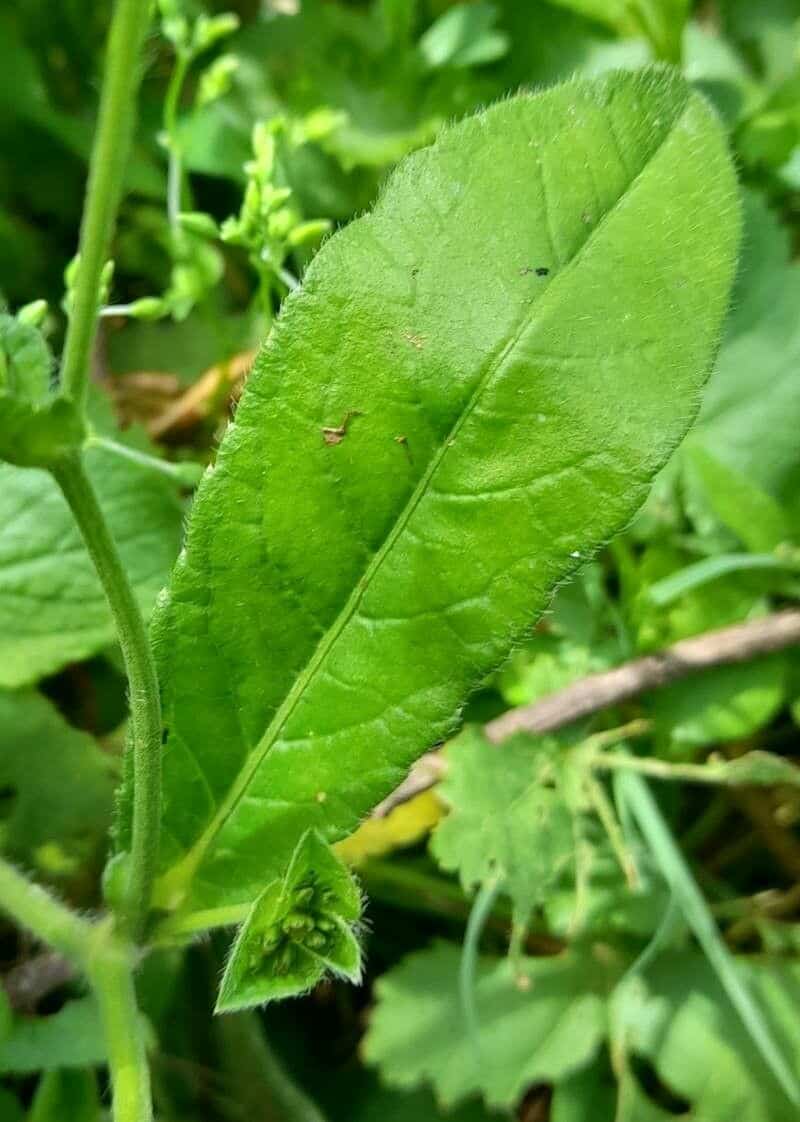
Taming the Hairy Elephant’s Foot: A Guide to Propagating Elephantopus mollis
The Elephantopus mollis, affectionately known as the Hairy Elephant’s Foot, is not your typical houseplant. With its intriguing foliage resembling, you guessed it, an elephant’s foot, and its unique flowering habits, this tropical beauty deserves a place in the spotlight. And the best part? Propagating it can be an exciting journey for plant enthusiasts of all levels.
This guide delves into the fascinating world of propagating Elephantopus mollis, equipping you with the knowledge to expand your plant family:
Understanding the Hairy Elephant’s Foot:
Hailing from the warm, tropical regions of Southeast Asia, Elephantopus mollis thrives in humid environments with dappled sunlight. Its large, wrinkled leaves lend a touch of the wild to any space. While its flowers may seem small and insignificant at first glance, they are captivating upon closer inspection, boasting a delicate, almost otherworldly beauty.
Propagation Techniques:
The good news is that you can propagate the Hairy Elephant’s Foot through two primary methods, each with its own advantages:
1. Seed Propagation:
For the adventurous gardener, collecting seeds from your Elephantopus mollis is an exciting option. Here’s how:
- Seed Collection: Mature seed heads will appear dry and brown. Gently collect them and store them in a cool, dry place until ready for sowing.
- Sowing: Sow the seeds directly onto the surface of a well-draining seed-starting mix. Lightly press them into the soil, ensuring good contact but not burying them too deep.
- Environment: Maintain a warm, humid environment by covering the tray with a propagator lid or plastic wrap.
- Patience is key: Germination can take several weeks. Once the seedlings are large enough to handle, transplant them into individual pots.
2. Division:
If you already have a thriving plant, division offers a simpler and faster propagation method:
- timing: Spring is the best time for division.
- Dividing the plant: Carefully remove the plant from its pot and gently separate the root ball into smaller sections, ensuring each section has a good amount of roots and leaves.
- Repotting: Plant the divisions in individual pots with fresh, well-draining soil.
- Care: Water thoroughly after potting and place the new plants in a warm, humid location away from direct sunlight.
Tips for Success:
No matter your chosen method, keep these tips in mind:
- Well-draining Soil: Elephantopus mollis is susceptible to root rot. Use a soil mix that drains efficiently.
- Warmth and Humidity: Mimic their natural environment by providing warmth and humidity. You can mist the plants regularly or use a humidifier.
- Indirect Sunlight: Place your plants in a spot with bright, indirect sunlight.
- Patience: As with any propagation project, patience is key! Allow the plants time to establish themselves.
The Rewards:
Propagating your own Elephantopus mollis is a rewarding experience. You’ll witness the plant’s life cycle firsthand, multiplying your green companions and fostering a deeper connection with nature. So why not roll up your sleeves, embrace the joy of propagation, and let the Hairy Elephant’s Foot enchant your indoor jungle?