
Taming the Titan: Unlocking the Secrets to Propagating the Corpse Flower (Amorphophallus titanum)
The Amorphophallus titanum, more dramatically known as the corpse flower, is a plant of extremes. Boasting the world’s largest unbranched inflorescence (a fancy word for flower cluster), it captivates with its sheer size and notoriously pungent aroma, often compared to rotting flesh. While witnessing a bloom in person is a once-in-a-decade event for most, what about cultivating this titan at home? While not for the faint of heart or novice gardener, propagating the corpse flower is achievable with the right knowledge and a dash of patience.
There are two primary methods for propagating the Amorphophallus titanum:
1. Seed Propagation: A Journey of Years
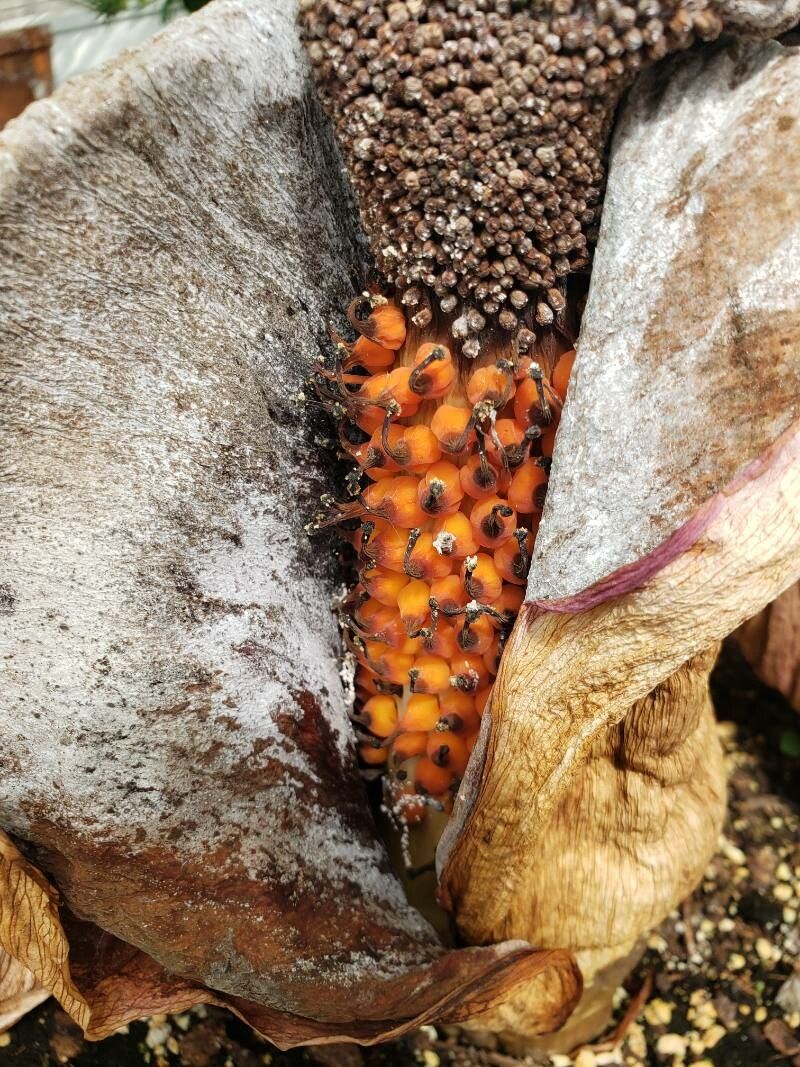
The journey begins with the elusive corpse flower fruit, a large, reddish-orange structure containing hundreds of seeds. These seeds are surprisingly short-lived and must be sown quickly after extraction. Here’s a breakdown of the process:
- Sowing: Plant seeds in a well-draining mix, keeping them consistently moist and warm (around 77-82°F).
- Germination: Patience is key. Germination can take anywhere from a few weeks to several months.
- Early Growth: Seedlings develop a single, umbrella-like leaf each year, drawing energy back into the corm (underground storage organ) to fuel future growth.
- The Long Haul: Be prepared for the long game. It can take 7-10 years for a seed-grown corpse flower to reach flowering size!
2. Corm Propagation: A Faster, but Less Certain Path
The massive corm, sometimes exceeding 100 pounds, offers a shortcut to propagation. However, success is less guaranteed. Here’s what to expect:
- Offsets: Mature corms may produce offsets or “pups,” smaller corms that can be carefully separated and potted individually.
- Corm Division: Less common and riskier, this method involves cutting a healthy corm into sections, each containing an “eye” or growing point.
- Challenges: Corms are prone to rot if not handled carefully. Maintain a sterile environment and use a well-draining potting mix.
Essential Care Tips for Your Titan in Training:
No matter your chosen propagation method, these tips will help your corpse flower thrive:
- Warmth is Key: Mimic the plant’s tropical origins with temperatures consistently above 70°F.
- Filtered Light: Bright, indirect light is ideal. Avoid direct sunlight which can scorch the delicate leaves.
- Humidity is a Must: Strive for high humidity levels, which you can achieve through regular misting or using a humidifier.
- Water Wisely: Keep the soil consistently moist but never soggy. Allow the top inch to dry out between waterings.
- Feeding the Giant: Feed regularly during the growing season with a balanced fertilizer diluted to half strength.
The Rewards of Patience:
Propagating the corpse flower is a labor of love, demanding dedication and a tolerance for the unknown. While not every seed will sprout and not every corm division will take, the reward of nurturing this botanical giant from its infancy to its infamous bloom is a testament to the wonders of the natural world and the dedication of a dedicated plant enthusiast.