
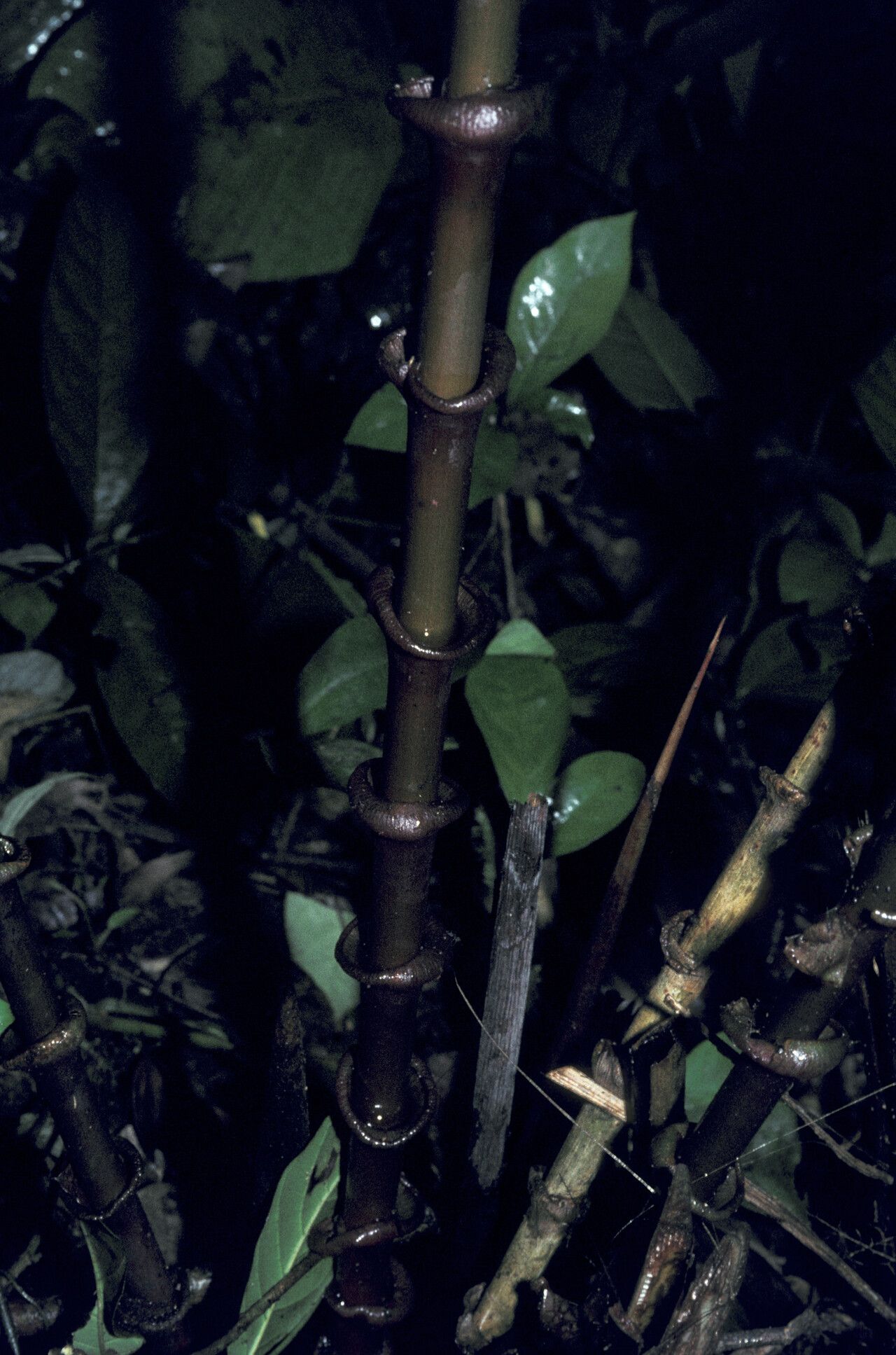
Unveiling the Secrets of Costus Claviger Propagation: Multiply Your Spiral Ginger Delight!
The Costus claviger, also known as the Red Button Ginger or Scarlet Spiral Flag Ginger, is a sight to behold. Its vibrant red inflorescences and uniquely spiraling stems make it a prized possession for tropical plant enthusiasts. But what if you could multiply this exotic beauty and share the joy with others? That’s where the magic of propagation comes in!
This guide delves into the fascinating world of Costus claviger propagation, equipping you with the knowledge and techniques to successfully grow new plants.
Understanding the Basics:
Before we jump into the methods, let’s understand how Costus claviger naturally reproduces. This species primarily spreads through rhizomes, modified underground stems that store nutrients and produce new shoots. Our propagation methods will capitalize on this natural growth habit.
Two Tried and True Methods:
Rhizome Division: This method is the most common and generally yields the quickest results. Here’s how:
- Timing: Spring, as the plant comes out of dormancy, is the ideal time for division.
- Process:
- Carefully dig up a mature, healthy Costus claviger.
- Using a clean, sharp knife or pruning shears, divide the rhizome into sections, ensuring each section has at least one growth point or “eye.”
- Allow the divided rhizome sections to air dry for a few hours to callous over the cut surfaces. This helps prevent rot.
- Plant the divided rhizomes horizontally in pots filled with well-draining soil, ensuring the “eye” is facing upwards, just below the soil surface.
- Water thoroughly and place in a warm, shaded location.
- Stem Cuttings: While slightly less common, propagating from stem cuttings can be equally effective. Follow these steps:
- Timing: Spring and early summer offer the optimal conditions for success.
- Process:
- Select a healthy, mature stem and cut a section approximately 6-8 inches long, just below a leaf node.
- Remove the leaves from the lower half of the cutting.
- Dip the cut end in rooting hormone powder (optional but recommended).
- Plant the cutting in a pot filled with a well-draining, sterile potting mix.
- Water well and cover the pot with a plastic bag to create a humid environment.
- Place the pot in a warm, bright location, out of direct sunlight.
Post-Propagation Care:
Regardless of the method you choose, providing optimal care after propagation is crucial for success:
- Light: Costus claviger thrives in bright, indirect light. Avoid direct sunlight, as it can scorch the leaves.
- Watering: Keep the soil consistently moist but not waterlogged. Allow the top inch of soil to dry out between waterings.
- Humidity: As a tropical plant, Costus claviger appreciates humidity. Regular misting or placing the pots on a humidity tray can be beneficial.
- Fertilizer: During the growing season (spring and summer), fertilize every 2-4 weeks with a balanced liquid fertilizer diluted to half strength.
Patience is Key:
Propagation requires patience. Depending on the method and growing conditions, it can take several weeks to a few months for new growth to emerge.
By following these steps and offering proper care, you’ll be well on your way to expanding your Costus claviger collection, adding a touch of tropical elegance to your home and garden!