
Unleashing the Beauty of Ampelocissus Rugosa: A Guide to Propagation
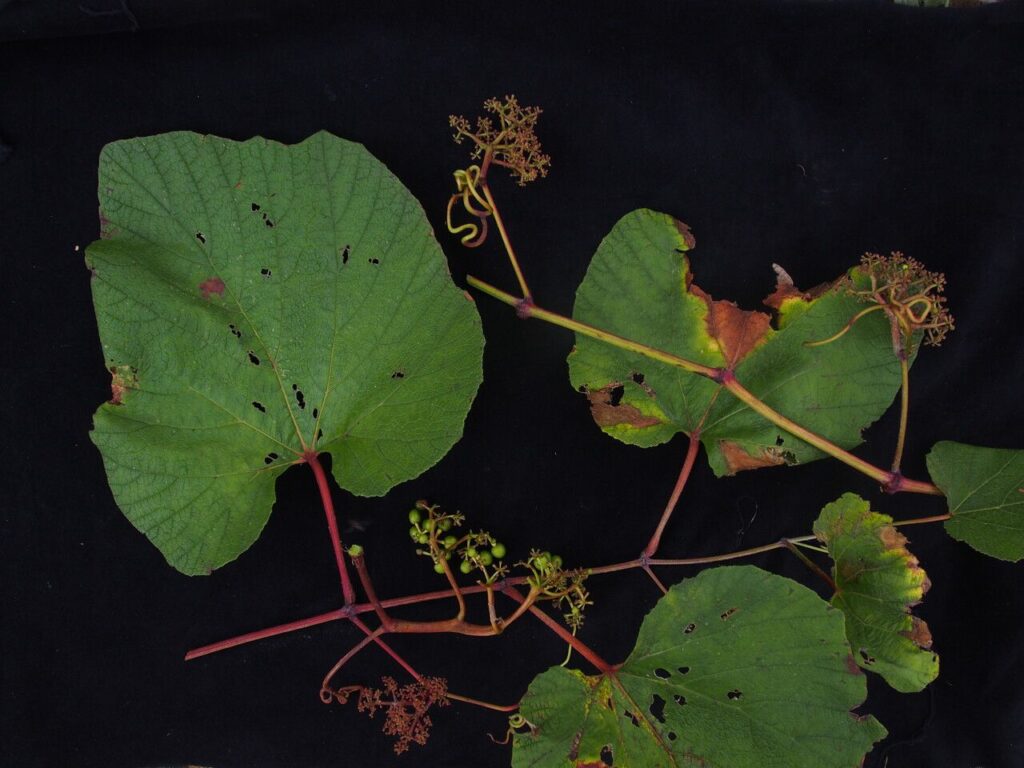
Ampelocissus rugosa, with its captivating foliage and vibrant berries, is a climber that deserves a special place in your garden. Native to the Himalayas, this vigorous vine, also known as the Chestnut Grape or Nepal Wild Grape, boasts large, deeply lobed leaves that resemble textured velvet, shifting from bronze hues to lush green to fiery crimson as the seasons change.
But the allure of Ampelocissus rugosa doesn’t stop at its visual appeal. This hardy plant is relatively easy to propagate, allowing you to multiply your stock and share its beauty with fellow plant enthusiasts.
Let’s delve into the different methods of propagating Ampelocissus rugosa:
1. Propagation from Seed:
- Collecting Seeds: Harvest ripe berries in the fall. Extract the seeds and clean off any pulp. Note that seeds may experience a period of dormancy and germination can be slow.
- Sowing: Sow seeds in a well-draining seed-starting mix during spring. Gently press them into the soil and lightly cover.
- Conditions: Provide warmth (around 70-75°F) and maintain consistent moisture.
- Germination: Be patient! Germination can take several weeks or even months. Once seedlings emerge and have a couple of sets of true leaves, you can transplant them into individual pots.
2. Propagation from Cuttings:
- Timing is Key: Take cuttings ideally in late spring or early summer from healthy, actively growing stems.
- Preparing the Cuttings: Select sections of stem that are about 4-6 inches long. Make a clean cut below a leaf node. Remove the lower leaves, leaving only a couple at the top.
- Encouraging Root Development: You can dip the cut end in rooting hormone to enhance root development, although it’s not strictly necessary.
- Planting: Insert the cuttings into a well-draining potting mix, burying at least two nodes below the soil surface.
- Creating a Humid Environment: Cover the pot with a plastic bag or place it in a propagator to create a humid environment.
- Rooting Time: Cuttings typically take several weeks to develop roots. Gently tug on the cuttings to check for resistance – a sign of successful rooting.
Tips for Success:
- Well-Draining Soil: Ampelocissus rugosa prefers well-draining soil. A mix of peat moss, perlite, and vermicast works well.
- Bright, Indirect Light: While the plant enjoys plenty of sunlight, protect your cuttings or seedlings from direct afternoon sun, which can scorch them.
- Consistent Moisture: Maintain consistently moist but not waterlogged soil. Water deeply when the top inch of the soil feels dry.
Propagating Ampelocissus rugosa is a rewarding experience. With a little patience and these tips, you’ll soon be enjoying more of this captivating climber, adding a touch of exotic beauty and textural interest to your garden.