
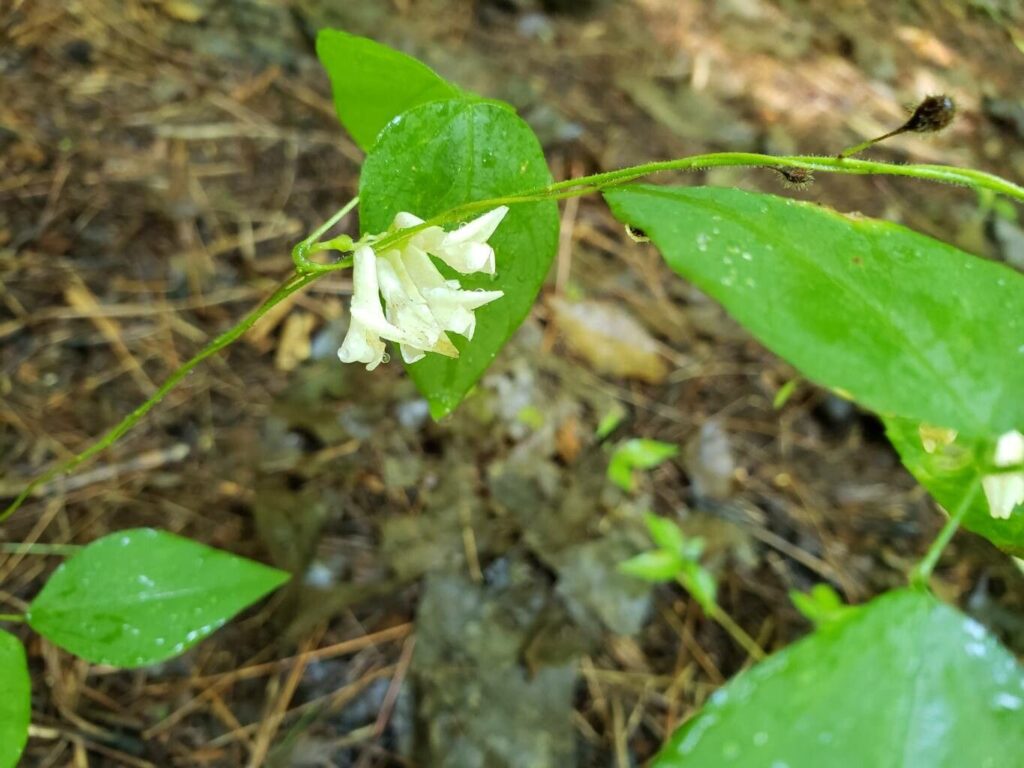
From Seed to Vine: Unlocking the Secrets of Amphicarpaea bracteata Propagation
Amphicarpaea bracteata, commonly known as hog peanut or groundnut, is a fascinating vine that adds a touch of wild beauty to any garden. But what if you want to share this plant’s charm with others or expand your own green haven? The answer lies in the art of propagation – the process of creating new plants from existing ones.
While hog peanut might seem like a mystery in the world of propagation, it’s actually quite approachable. This adaptable vine can be multiplied through both seeds and cuttings, offering gardeners a choice based on their preferences and resources.
Seeds: A Journey from Earth to Vine
Hog peanut seeds are arguably the easiest way to bring new life to this plant. The plant produces two types of seeds: aboveground seeds in pods within the vines, and subterranean seeds that develop within the soil. While the aboveground seeds are more readily available, both types can be successfully used for propagation.
Sowing the Seeds:
- Harvesting: Collect the seeds from mature pods in late summer or early fall. Subterranean seeds can be dug up carefully after the first frost.
- Preparation: Remove any excess seed coat material but don’t soak the seeds or attempt to scarify them. These seeds benefit from a period of cold stratification.
- Sowing: Sow the seeds directly outdoors in the spring, after the last frost. A light sprinkle of soil and gentle watering is all they need.
- Germination: With proper care, seeds usually germinate within 2-4 weeks.
Cuttings: A Direct Path to New Growth
For those seeking a quicker path to a flourishing hog peanut vine, propagation through cuttings is the way to go.
Taking Cuttings:
- Timing: The ideal time for taking cuttings is during the spring or early summer when the vine is actively growing.
- Selection: Choose healthy stems with a few nodes. These are the points on the stem where leaves grow.
- Cutting: Use a sharp knife or scissors to make a clean cut just below a node. Remove the leaves from the bottom half of the stem.
- Rooting: Dip the cut end of the stem in rooting hormone to promote root development. Place the cuttings in a pot filled with a rooting medium like perlite or vermiculite, or directly into the garden bed in a shaded location.
- Moisture: Keep the rooting medium consistently moist but not soggy. Cuttings will typically root within 4 to 6 weeks.
Cultivation for Success
Whether you opt for seeds or cuttings, ensuring the young hog peanuts thrive requires understanding their needs. They prefer a partially shaded location with well-drained soil that is consistently moist. While tolerant of drought, they flourish in slightly acidic conditions.
Beyond Propagation: Sharing the Joy
By harnessing the power of propagation, you can expand your garden with the enchanting beauty of Amphicarpaea bracteata, share its captivating presence with fellow plant lovers, and contribute to the preservation of this delightful vine. So, pick a method that calls to you, follow the steps with care, and watch as nature’s magic unfolds, transforming a few seeds or cuttings into a vibrant tapestry of foliage that will delight you for years to come.