
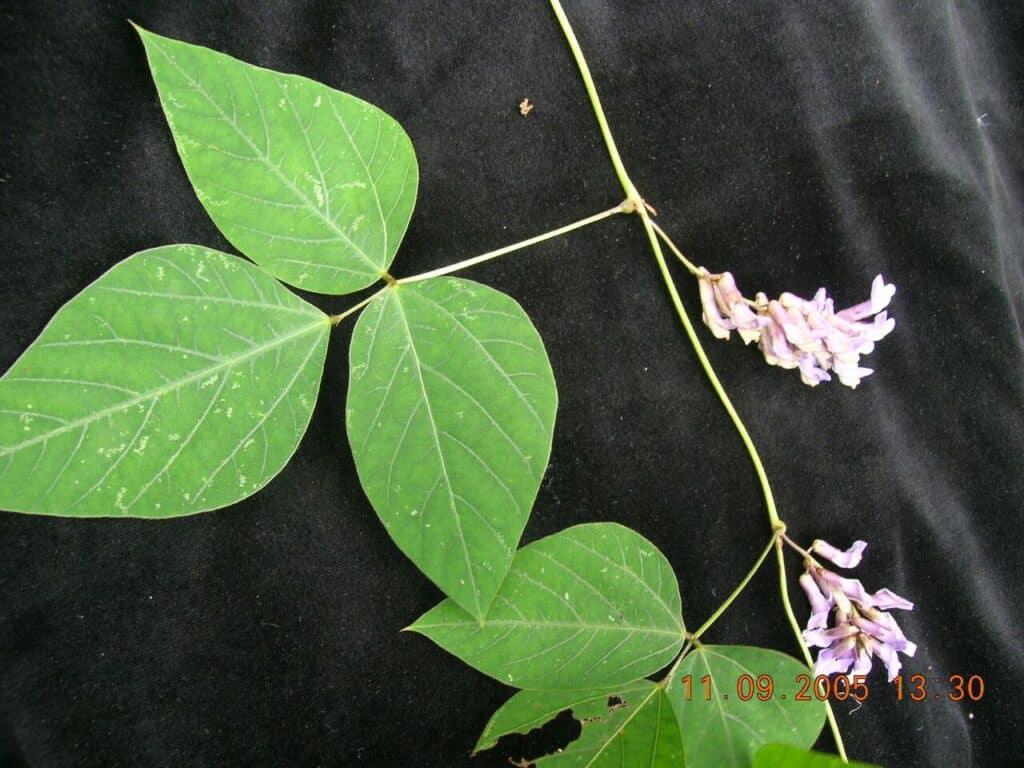
Unearthing the Secrets of Hog Peanut Propagation: A Guide to Growing Amphicarpaea ferruginea
The Hog Peanut (Amphicarpaea bracteata , formerly known as Amphicarpaea ferruginea), with its delicate blossoms and intriguing underground habits, is a fascinating plant often overlooked by gardeners. This North American native, found twining through woodlands and dappling the forest floor, offers a unique opportunity to explore the wonders of plant propagation. While seemingly complex, understanding the different strategies employed by this botanical marvel can unlock a fulfilling gardening experience.
A Two-Pronged Approach to Propagation
The Hog Peanut has evolved a fascinating dual strategy for reproduction, utilizing both seeds and underground tubers. This ensures its survival even in challenging conditions.
1. Seed Propagation:
- Collecting Seeds: In late summer and early fall, the Hog Peanut produces aerial, self-pollinating flowers that develop into small, bean-like pods. These pods contain the seeds, typically one to three per pod. Collect the pods as they turn brown and dry on the vine, indicating seed maturity.
- Seed Dormancy: Hog Peanut seeds exhibit scarification, meaning they have a hard outer coating demanding specific conditions to germinate. In nature, this is achieved by exposure to winter frost and microbial activity.
- Breaking Dormancy: To mimic natural processes, stratify the seeds by:
- Cold Stratification: Place the seeds in a moist paper towel within a sealed plastic bag and store them in the refrigerator for 6-8 weeks.
- Scarification: Gently nick or rub the seed coat with sandpaper before stratification to enhance water absorption.
- Sowing Seeds: Once stratified, sow the seeds in a well-draining seed starting mix, covering them lightly with soil. Maintain consistent moisture and warmth (around 70°F) for successful germination, which can take several weeks.
2. Tuber Propagation:
- Identifying Tubers: Hog Peanut plants produce small, edible tubers on underground stems called stolons. These tubers serve as energy stores and can generate new plants.
- Collecting Tubers: Carefully dig around the base of established plants in the fall after the foliage has died back. Gently unearth the stolons and locate the small, nut-like tubers.
- Planting Tubers: Plant the harvested tubers in the fall or early spring, about 2 inches deep and 6-12 inches apart in well-drained soil.
Cultivating Success:
Regardless of your chosen propagation method, Hog Peanuts thrive in moist, well-drained soils with partial to full shade. Amend your soil with organic matter to mimic their natural woodland habitat. Water regularly, especially during dry periods, but avoid waterlogging.
Reaping the Rewards:
Successfully propagating Hog Peanuts offers a sense of accomplishment and introduces a unique native plant to your garden. These attractive additions attract pollinators with their delicate flowers and contribute to a biodiverse ecosystem. The edible tubers, enjoyed by both humans and wildlife, provide a delicious and nutritious reward for your efforts.
By embracing the dual nature of Hog Peanut propagation, you can unlock the secrets of this fascinating plant, enriching your garden and expanding your horticultural horizons.