
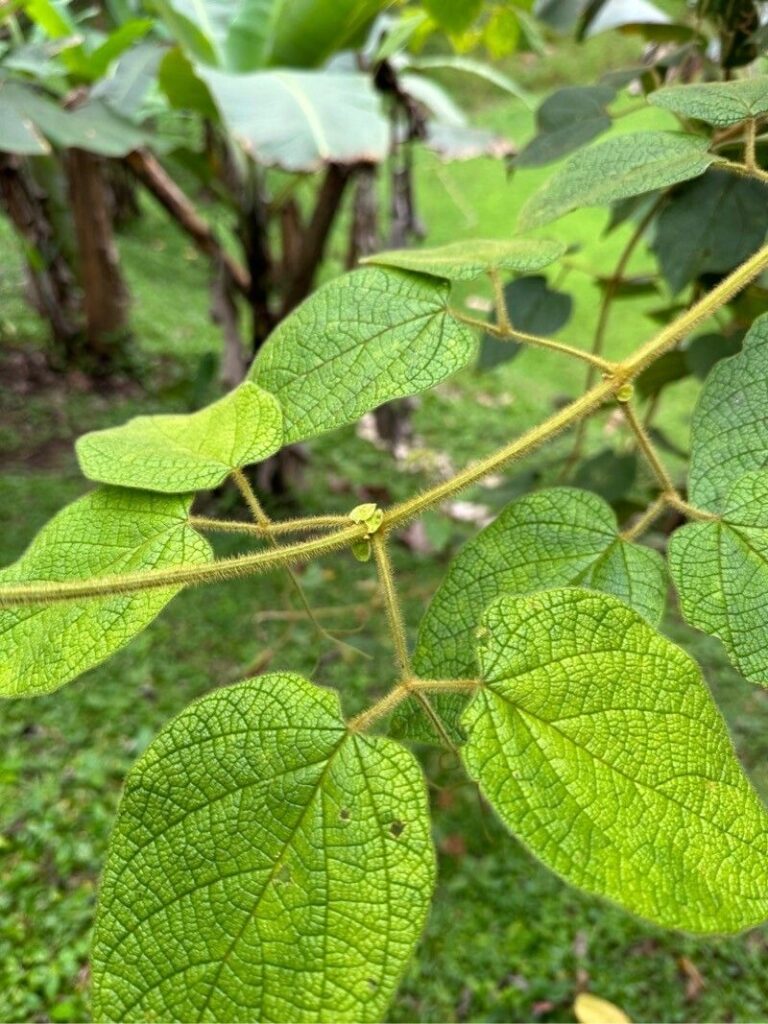
From Cutting to Climbing Beauty: Propagating Your Own Amphilophium Pannosum
Have you ever fallen in love with a plant but balked at the price tag? Amphilophium pannosum, with its stunning cascading blooms and lush foliage, can be a real budget-buster! But fear not, green thumbs! This magnificent climber, also known as the “Velvet Leaf Vine” or “Purple Wreath Vine,” is surprisingly easy to propagate. You can create your own vibrant additions to your garden or home with just a few simple steps.
Understanding Amphilophium Pannosum Propagation:
Amphilophium pannosum, a member of the Bignoniaceae family, is a vine that thrives with a little care. The good news is, it readily reproduces through stem cuttings, making it a readily accessible beauty for any gardener.
Step-by-Step Propagation Guide:
- Choose Your Cuttings: Select healthy, non-flowering stems from your plant. Aim for cuttings that are about 4-6 inches long and have at least two leaf nodes (the points where leaves grow).
- Prepare the Cuttings: Using a sharp knife or pruning shears, make a clean cut just below a node. Remove any leaves from the bottom inch of the stem.
- Rooting Medium: Use a well-draining mix like a blend of perlite and peat moss, or you can even opt for a simple mixture of vermiculite and water.
- Planting the Cuttings: Carefully insert the prepared cuttings into the rooting medium, ensuring that at least one node is buried. Gently firm the soil around the base.
- Create a Greenhouse Effect: A crucial step for success in propagation is creating a humid environment. You can do this using a clear plastic bag, a propagation dome, or even a large, clear container.
- Water and Light: Keep the rooting medium consistently moist but not soaking wet. Place your cuttings in a bright area, out of direct sunlight.
- Patience is Key: Rooting can take a few weeks to several months depending on the time of year and environmental conditions.
- Transplanting to Permanent Homes: Once your cuttings have developed roots, you can gently transplant them into individual pots or directly into the garden.
Additional Tips for Success:
- Timing is Everything: The best time to propagate Amphilophium pannosum is during the growing season (spring to summer).
- Hormones for a Boost: Using a rooting hormone powder or gel can help encourage faster root development.
- Monitor for Pests and Diseases: Keep a lookout for fungal infections or pests during the rooting process.
- Indulge in a Little TLC: Once your propagated Amphilophium pannosum starts to grow, don’t forget to provide it with the necessary care. Include regular watering, adequate sunlight, and a trellis or support for its climbing habit.
Beyond the Garden:
Propagating your own Amphilophium pannosum plants is a rewarding experience. It’s a wonderful way to share this beautiful vine with friends and family, or simply to expand your own collection.
Final Thoughts:
With a bit of knowledge, patience, and a loving touch, you can enjoy the cascading beauty of Amphilophium pannosum, without breaking the bank. It’s an easy and fulfilling project that will bring a vibrant touch to any garden or indoor space. So, why not try it? You might just be surprised at how easy it is to grow your own climbing masterpiece!