
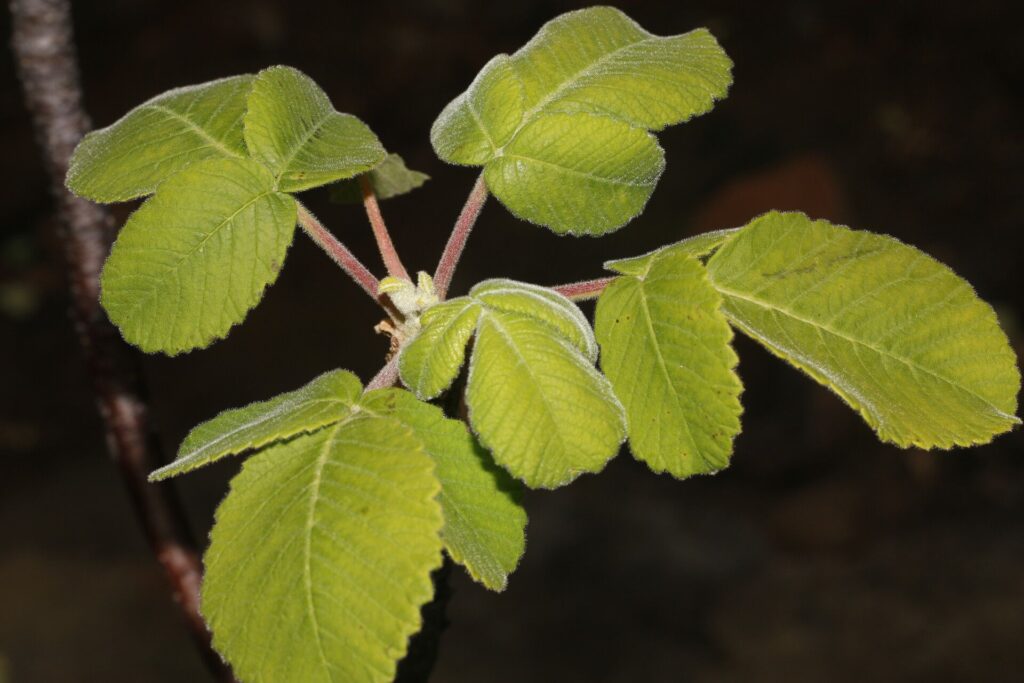
Unlocking the Secrets of the Copal Tree: A Guide to Propagating Amphipterygium simplicifolium
The Copal tree (Amphipterygium simplicifolium), native to the Americas, is not just a visually striking species with its graceful, drooping branches and feathery foliage, but it also holds cultural and ecological significance. Used for incense and traditional medicine, propagating this majestic tree can be a rewarding endeavor. While information on its propagation is limited compared to common garden varieties, don’t be discouraged! This guide will shed light on techniques and provide valuable insights for successfully growing Copal trees.
Understanding the Copal Tree
Before diving into propagation, let’s get to know this unique tree better. The Copal tree thrives in dry, rocky terrain, often forming part of deciduous forests. Being drought-tolerant, it prefers well-drained soil and ample sunlight. Understanding its native environment will guide your propagation approach and future care.
Methods of Propagation
1. Seeds: Embracing the Challenge
Propagating Copal trees from seeds can be challenging, as the seeds often have low germination rates. However, with the right approach, it is possible to increase your chances of success.
- Seed Collection and Preparation: Collect mature seeds from reliable sources or directly from the tree. The seeds resemble small, flattened samaras. Before sowing, gently scarify the seed coat to break dormancy, but avoid damaging the inner seed.
- Sowing and Germination: Sow the scarified seeds in a well-draining seed-starting mix. Keep the soil consistently moist but not waterlogged. Germination can take several weeks to months, so patience is key.
- Providing Optimal Conditions: Place the seed tray in a warm, bright location, but out of direct sunlight. Maintaining a humid environment during germination can be beneficial. Consider covering the tray with a plastic dome or humidity tent.
2. Cuttings: A Quicker Route to Success
Propagating Copal trees from cuttings is another viable method, offering a faster path to mature plants.
- Timing is Key: The best time to take cuttings is during the active growing season, typically in late spring or early summer.
- Selecting the Right Cuttings: Choose healthy, semi-hardwood cuttings from the current year’s growth. These cuttings should be around 4-6 inches long and have at least two nodes.
- Preparing the Cuttings: Remove the leaves from the lower half of the cutting. Dip the cut end in rooting hormone to encourage root development.
- Planting and Care: Plant the cuttings in a well-draining rooting medium, burying the lower node. Keep the medium consistently moist and place the cuttings in a bright location out of direct sunlight.
- Transplanting: Once the cuttings have developed a strong root system, usually within a few months, transplant them into larger pots or directly into the ground.
Nurturing Your Copal Tree
Whether you choose to propagate from seeds or cuttings, the journey of growing a Copal tree starts with dedication. Remember these tips for long-term success:
- Watering: While drought-tolerant, young Copal trees will benefit from regular watering until established.
- Soil: Use well-drained soil to avoid root rot.
- Sunlight: Ensure your Copal tree receives ample sunlight for healthy growth.
- Pruning: Prune during the dormant season to maintain shape and encourage branching.
Propagating Amphipterygium simplicifolium might require patience and a gentle touch, but the reward of nurturing this magnificent tree from seed or cutting is truly fulfilling. As you witness your Copal tree flourish, you contribute to preserving its legacy for generations to come.