
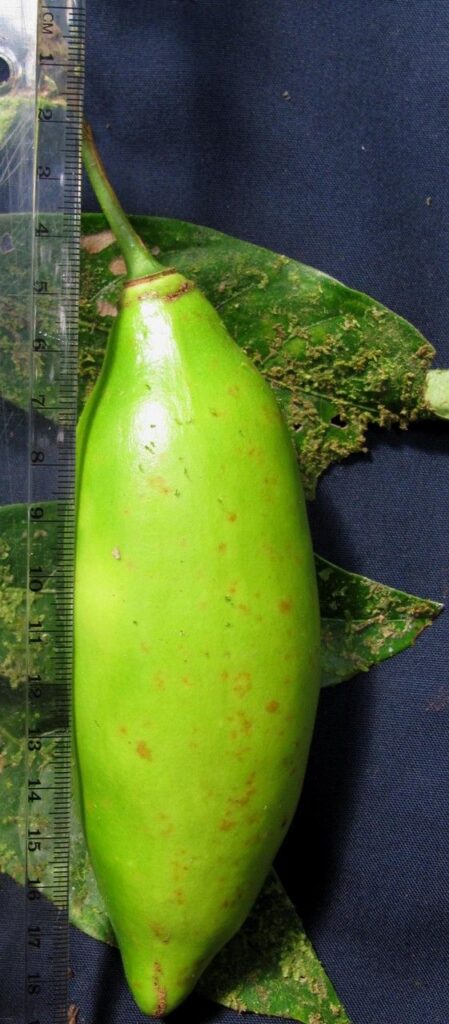
Unlocking the Secrets of the Calabash Tree: A Guide to Propagating Amphitecna isthmica
The Amphitecna isthmica, more affectionately known as the Panama calabash tree, is a fascinating species with unique, gourd-like fruits and delicate, white flowers. Native to the rainforests of Central America, this tropical beauty may seem like a challenging plant to introduce to your collection. But fear not, fellow plant enthusiasts, for propagating the Panama calabash tree, while requiring patience, is achievable even outside its natural habitat.
This guide will unravel the secrets of propagating Amphitecna isthmica, empowering you to cultivate this extraordinary tree and witness its captivating life cycle.
Method 1: Seed Propagation – Embracing the Rhythm of Nature
The most common and rewarding method for propagating Amphitecna isthmica is through seeds. Here’s how to do it:
- Seed Collection: The journey begins with obtaining ripe fruits directly from the tree or a reputable source. These fruits, resembling woody gourds, contain numerous seeds nestled within a pulpy interior. Extract the seeds and give them a thorough rinse to remove any clinging pulp.
- Scarification and Soaking: To enhance germination rates, consider scarifying the seeds. Gently rub a small section of the seed coat with sandpaper or a nail file, creating a tiny opening for moisture absorption. Soak the scarified seeds in warm water for 24 hours to further encourage germination.
- Sowing the Seeds: Choose a well-draining potting mix, preferably one designed for starting seeds. Plant the seeds about 1 inch deep in individual pots or seed trays.
- Patience, Young Padawan: Seed germination can be slow, sometimes taking several weeks or even months. Maintain a consistent moisture level in the potting mix, but avoid overwatering, which can lead to root rot. Placing the pots in a warm location with indirect sunlight will further aid germination.
- Transplanting Success: Once the seedlings have developed a robust root system and several sets of true leaves, they are ready to be transplanted into larger containers or directly into the ground, ideally in a location that mimics their natural rainforest environment.
Method 2: Cuttings – A Faster Route to New Beginnings
While slightly less common than seed propagation, cuttings offer a quicker method for multiplying your Amphitecna isthmica collection.
- Selecting the Right Cutting: Choose healthy, semi-hardwood cuttings from the current year’s growth. Ideally, the cutting should be 4-6 inches long with several nodes (the points on a stem where leaves emerge).
- Preparing the Cutting: Remove the leaves from the lower half of the cutting and dip the cut end in rooting hormone to encourage root development.
- Planting the Cutting: Insert the treated end of the cutting into a pot filled with a well-draining potting mix or a mixture of peat moss and perlite. Water thoroughly.
- Creating a Humid Haven: To mimic the humidity of a rainforest environment, cover the pot with a clear plastic bag or a humidity dome. This will help retain moisture and create a mini-greenhouse effect.
- Rooting Success: With patience and proper care, the cutting should develop roots within a few weeks. Once the roots are established, gradually acclimate the cutting to normal humidity levels before transplanting it to a larger container or a permanent location in your garden.
A Rewarding Endeavor
Propagating Amphitecna isthmica, while requiring patience and care, is an immensely rewarding experience. Witnessing the transformation from seed to seedling or cutting to a thriving plant connects you to the magic of nature’s cycle. Embrace the challenge, and soon, you’ll be basking in the beauty of your very own Panama calabash tree, a testament to your dedication and the remarkable resilience of this extraordinary species.