
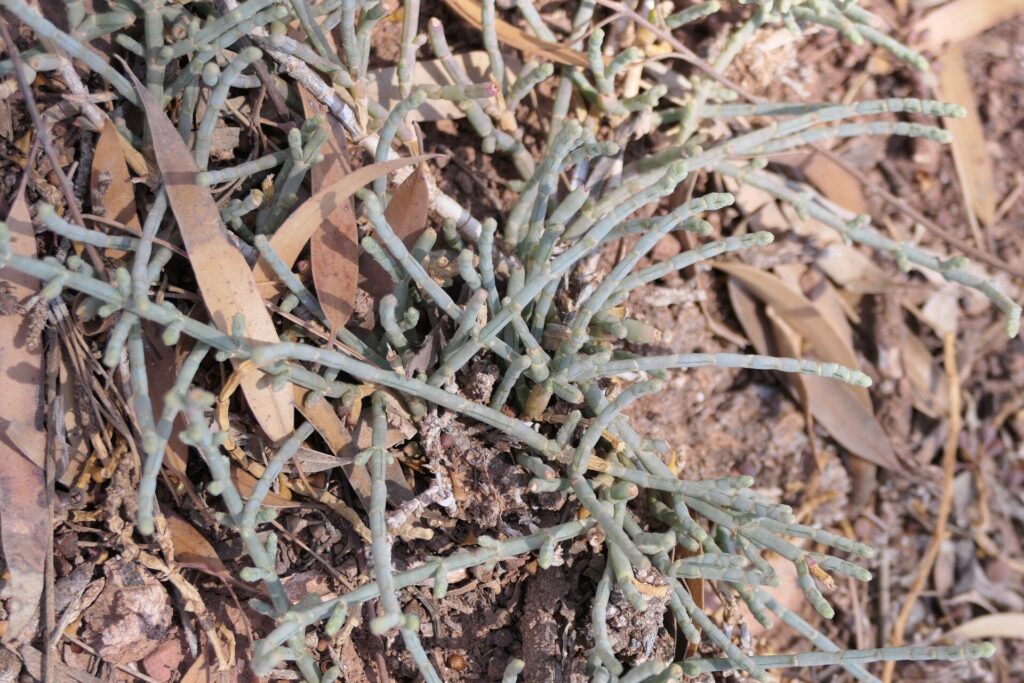
From Seed to Thriving Oasis: Propagating Anabasis Prostrata for Your Garden
Anabasis prostrata, also known as the “Saltbush,” is a beautiful and resilient plant, perfectly suited for adding a touch of the desert to your garden. But what if you want to share this unique plant with your friends or simply increase your stock without spending a fortune? The answer is propagation!
This hardy succulent can be grown from seed or cuttings, offering you a fun and rewarding experience. Let’s delve into the details of these methods to help you successfully propagate this fascinating plant.
1. From Seed to Sprout: A Gentle Journey
- Timing is Key: Anabasis prostrata seeds prefer the warmth of spring or early summer for optimal germination. Sow the seeds in a seed tray filled with well-draining, sandy soil, and lightly cover them with a thin layer of soil.
- Moisture and Light: Keep the soil consistently moist, but not waterlogged. Place the tray in a bright location, but avoid direct sunlight. The seeds need warmth and light to sprout.
- Patience is a Virtue: It may take several weeks for the seeds to germinate, so be patient! Once the seedlings have developed a couple of true leaves, you can transplant them into individual pots.
2. The Art of Cuttings: A Faster Route to New Plants
- Take Your Cuttings: The best time to take cuttings is in the spring or early summer. Choose healthy, non-flowering stems and cut them just below a node (where leaves grow). Make your cuts with a sharp knife or pruning shears for a clean cut.
- Prepare for Growth: Remove the leaves from the bottom inch or two of the stem. Dip the cut end in a rooting hormone powder for a boost.
- Rooting Medium and Patience: Plant the cuttings in a pot filled with a well-draining rooting medium like perlite or vermiculite. Keep the medium moist but not soggy. Place the potted cuttings in a bright, indirect light location.
- Success in the Making: Rooted cuttings can typically be transplanted into their final pots after 4-6 weeks. You can check for roots by gently tugging on the cuttings. If they resist, they’ve established roots and are ready.
3. Caring for Your Newly Propagated Anabasis Prostrata
- Light and Soil: Anabasis prostrata thrives in full sun and well-draining soil. A sunny location with sandy or gravelly soil is ideal.
- Water Wisely: This succulent is drought tolerant and prefers infrequent but deep watering. Allow the soil to dry out completely between watering.
- Fertilizer and Maintenance: Fertilizers are not typically necessary for Anabasis prostrata. However, you can occasionally use a balanced fertilizer during the growing season for optimal growth.
4. Enjoy Your New Plants!
Whether you choose to propagate from seed or cuttings, you are in for a rewarding experience. Anabasis prostrata is known for its hardy nature and ability to withstand harsh conditions, making it a perfect option for beginners and seasoned gardeners alike. Its unique silver-green foliage and charming, delicate flowers create a stunning visual contrast, adding a touch of desert charm to any garden.
By following these simple steps, you can enjoy the beauty of Anabasis prostrata in your garden for years to come. So go ahead, get your hands dirty and bring the magic of this desert wonder to life!