
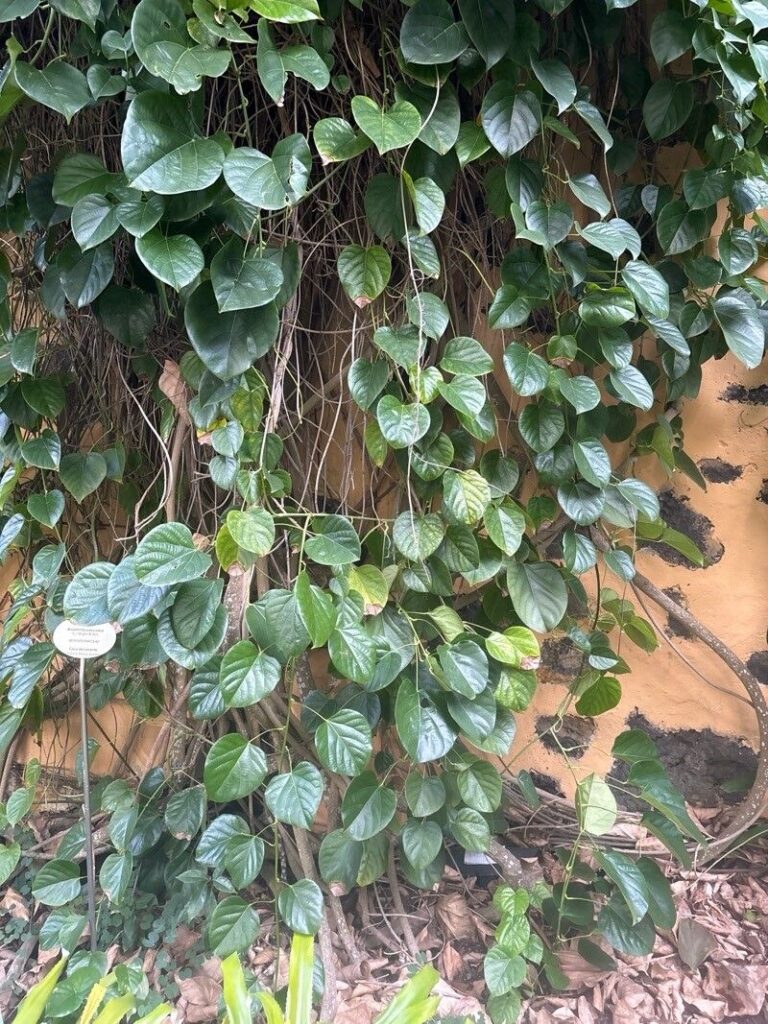
Untangling the Secrets of Fishberry Propagation: How to Grow Anamirta Cocculus
Anamirta cocculus, also known as fishberry or Levant nut, is a fascinating, albeit notorious, plant with a rich history. While its berries hold toxic properties traditionally used for fishing and in dubious medicinal practices, the plant itself boasts an alluring aesthetic with its climbing vines and fragrant blossoms.
If you’re intrigued by the prospect of cultivating this unique species, understanding its propagation methods is key. Fair warning, it’s not for the faint of heart! This isn’t your typical houseplant, and successful propagation requires patience, careful attention, and an understanding of its specific needs.
Two Paths to Propagation: Seeds and Cuttings
Anamirta cocculus can be propagated through two primary methods:
1. Seed Propagation: The most common and generally successful method involves using the seeds found within the mature berries. Here’s how:
- Source your seeds: Sourcing viable seeds can be challenging. Look for reputable online vendors specializing in rare or ethnobotanical plants.
- Prepare the seeds: The outer flesh of the berry contains a germination inhibitor, so meticulous cleaning is essential. Remove the fleshy pulp and soak the seeds in warm water for 24 hours. This softens the tough outer layer and encourages germination.
- Sow the seeds: Plant the seeds about an inch deep in a well-draining seed starting mix. Maintaining a warm temperature (around 75-80°F or 24-27°C) is crucial for successful germination.
- Patience is paramount: Germination can be erratic, taking anywhere from a few weeks to several months. Don’t be disheartened if you don’t see immediate results. Maintain a consistent moisture level and provide ample indirect sunlight.
2. Propagation by Cuttings: While slightly more challenging, propagation from cuttings is possible and provides a faster route to mature plants. Follow these steps:
- Take your cuttings: During the growing season, select healthy, semi-hardwood stems for your cuttings. Ideally, choose sections about 4-6 inches long with at least two nodes.
- Prepare the cuttings: Remove the lower leaves and wound the base of the cutting slightly to encourage root formation. Dipping the cut end in rooting hormone powder can significantly improve success rates.
- Plant the cuttings: Insert the cuttings into a well-draining mix of peat moss and perlite. Ensure the nodes where leaves were removed are buried within the planting medium.
- Create a humid environment: Maintain moisture and humidity by covering the cuttings with a clear plastic bag or using a humidity dome. Place the cuttings in a warm, shaded location, avoiding direct sunlight.
- Monitor and wait: Keep the soil consistently moist and be patient. Rooting can take several weeks. Once you observe new growth, it’s a good indication that roots have developed.
A Note of Caution
Remember, Anamirta cocculus is a toxic plant. All parts, particularly the berries, contain picrotoxin, a poisonous compound. Handle the plant with care, wearing gloves during any contact. Keep it well out of reach of children and pets.
While not the easiest plant to propagate, the challenge of cultivating Anamirta cocculus comes with a unique reward. By following these guidelines and exercising patience, you can unlock the secrets of growing this intriguing and historically significant species.