
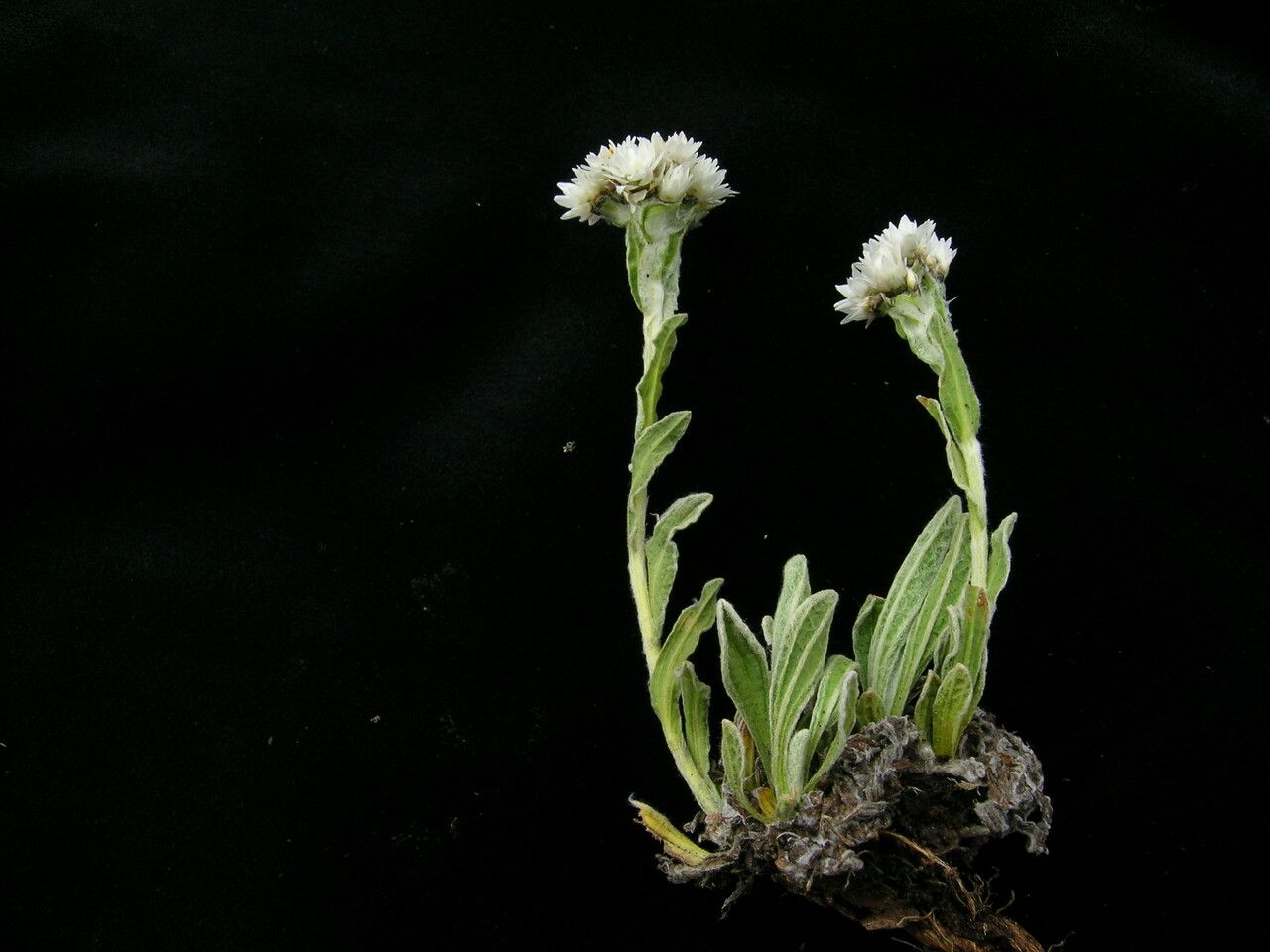
Unveiling the Secrets of Anaphalis xylorhiza: A Guide to Propagating the Pearly Everlasting
The Anaphalis xylorhiza, with its charming clusters of pearly white flowers and silvery-green foliage, brings a touch of ethereal beauty to any garden. This hardy perennial, often referred to as the “Pearly Everlasting,” is not only visually appealing but also relatively easy to propagate, making it an excellent choice for gardeners of all levels.
While admiring these beauties in their full glory is always a treat, have you ever considered expanding their presence in your garden? Let’s delve into the fascinating world of Anaphalis xylorhiza propagation and unlock the secrets to multiplying these captivating plants.
Two Paths to Propagation:
There are primarily two methods to propagate Anaphalis xylorhiza:
1. Seed Sowing:
This method, best undertaken in spring, involves the following steps:
- Seed Collection: Gather seeds from dried flower heads in late summer or autumn. Look for the tiny, brown seeds hidden within the fluffy white bracts.
- Sowing: Use a well-draining seed starting mix and sprinkle the seeds on the surface. Lightly press them down, but avoid burying them deeply, as they need light to germinate.
- Moisture and Warmth: Keep the soil consistently moist but not waterlogged. Provide a warm environment with temperatures around 65-75°F (18-24°C).
- Patience is Key: Germination can take anywhere from a few weeks to a couple of months. Be patient and continue providing optimal conditions.
2. Division:
This method offers a faster route to establishing new plants and is best done in early spring or fall:
- Digging Up: Carefully dig up an established clump of Anaphalis xylorhiza, ensuring you get a good root ball.
- Dividing the Clump: Gently tease apart the clump into smaller sections, ensuring each section has a good portion of roots and shoots.
- Replanting: Replant the divisions at the same depth they were previously growing and water them well.
Tips for Success:
- Well-Draining Soil: Whether starting from seed or divisions, Anaphalis xylorhiza thrives in well-draining soil. Amend heavy clay soil with compost or grit to improve drainage.
- Sunlight is Key: Choose a location that receives at least six hours of sunlight per day for optimal growth and flowering.
- Watering Wisely: While these plants tolerate some drought conditions once established, consistent watering, especially during their first year, is crucial.
- Deadheading: Regularly removing spent flower heads can encourage more blooms and prevent self-seeding if you want to control their spread.
Reap the Rewards:
Propagating your own Anaphalis xylorhiza offers a sense of accomplishment and allows you to expand your garden with minimal cost. These resilient plants, with their unique beauty and low-maintenance nature, will reward you with their captivating presence year after year. So, why not give propagation a try? You might just discover a newfound passion for multiplying your garden treasures.