
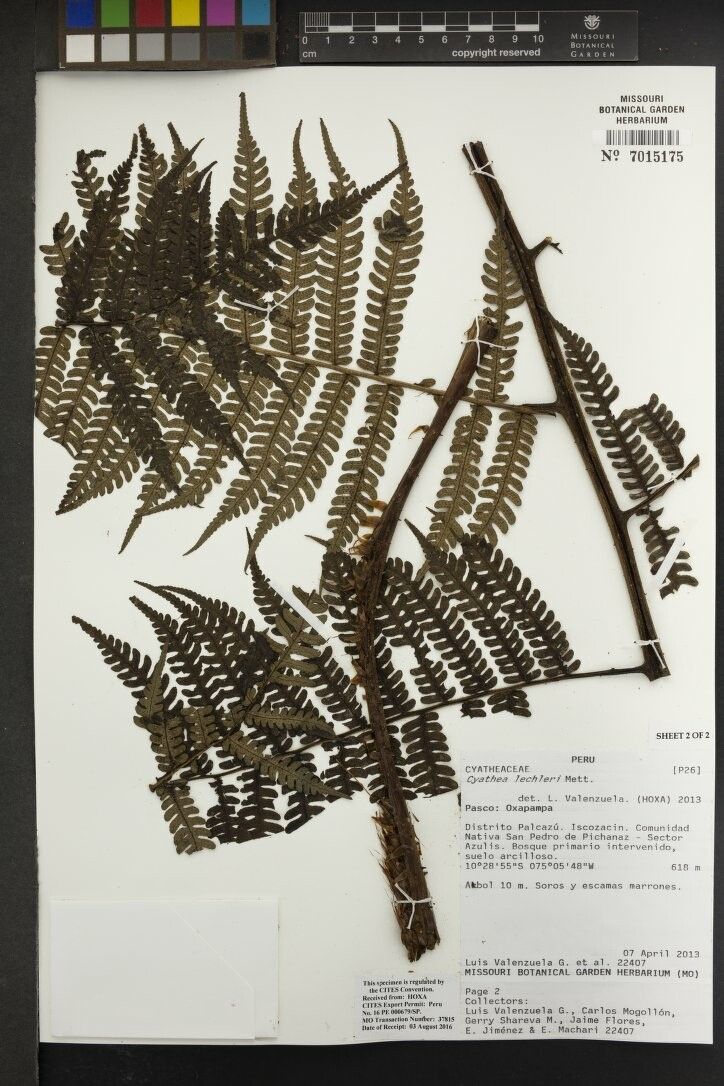
Unlocking the Secrets of the Giant Tree Fern: Propagating Cyathea lechleri
The Cyathea lechleri, also known as the Shiny Tree Fern, is a magnificent plant that can transform any garden into a Jurassic paradise. Its towering trunk and graceful, arching fronds evoke a sense of prehistory, making it a captivating centerpiece. While finding one in a nursery can be a treat, there’s something deeply satisfying about propagating your own. It’s a challenging but rewarding endeavor, and we’re here to guide you through it.
Why propagate?
Propagating your own Cyathea lechleri offers several advantages:
- Conservation: By propagating this slow-growing fern, you contribute to its preservation.
- Uniqueness: Growing from spores allows you to nurture a fern from its very beginning, fostering a special connection with your plant.
- Cost-effective: Purchasing spores is considerably more affordable than buying a mature plant.
Understanding the Life Cycle
Before diving into the practicalities, it’s essential to understand the Cyathea lechleri’s life cycle. These ferns reproduce via spores, not seeds. Spores are tiny, dust-like particles located on the underside of the fronds within structures called sporangia.
Gather Your Supplies
- Fresh Spores: Obtain viable spores from a reputable source. The fresher, the better.
- Sterilized Container: A clear plastic container with a lid works well, allowing for observation and humidity control.
- Growing Medium: A fine, peat-based mix or specialized fern potting soil is ideal.
- Distilled Water: Tap water can contain contaminants that hinder spore germination.
- Patience: Be prepared for a lengthy process; it can take several months for spores to develop into plantlets.
Step-by-Step Propagation
Sterilization: Thoroughly wash and sterilize your hands, container, and all tools using a diluted bleach solution to prevent fungal contamination.
Sowing the Spores: Sprinkle the spores thinly and evenly across the surface of the moistened growing medium. Do not bury them.
Creating the Right Environment: Close the container to create a humid environment. Place it in a well-lit area, but avoid direct sunlight, which can scorch the delicate spores.
Patience is Key: Maintain consistent moisture by misting the surface with distilled water, ensuring the medium never dries out completely.
Germination: After several weeks to months, you’ll notice a fine, green layer resembling moss appearing on the surface. This signifies successful germination and the development of the prothallus, the fern’s gametophyte stage.
Fertilization: The prothallus requires moisture to facilitate fertilization. Mist regularly to encourage the formation of sporophytes, the next stage in the fern’s life cycle.
- Transplanting: Once the sporophytes develop small fronds and a root system, they can be carefully separated and transplanted into individual pots with a well-draining, peat-based mix.
Ongoing Care
Young Cyathea lechleri prefer:
- High Humidity: Maintain humidity by misting frequently or placing the pots on a tray filled with pebbles and water.
- Indirect Light: Avoid direct sunlight, which can scorch their delicate fronds.
- Consistent Moisture: Water regularly, ensuring the soil remains consistently moist but not waterlogged.
- Suitable Temperatures: Aim for temperatures between 60-75°F (15-24°C).
A Labor of Love
Propagating Cyathea lechleri from spores requires patience and dedication. It’s a journey filled with anticipation as you witness the fascinating life cycle of this ancient plant unfold. But the reward of nurturing a majestic tree fern from a tiny spore makes the effort truly worthwhile.