
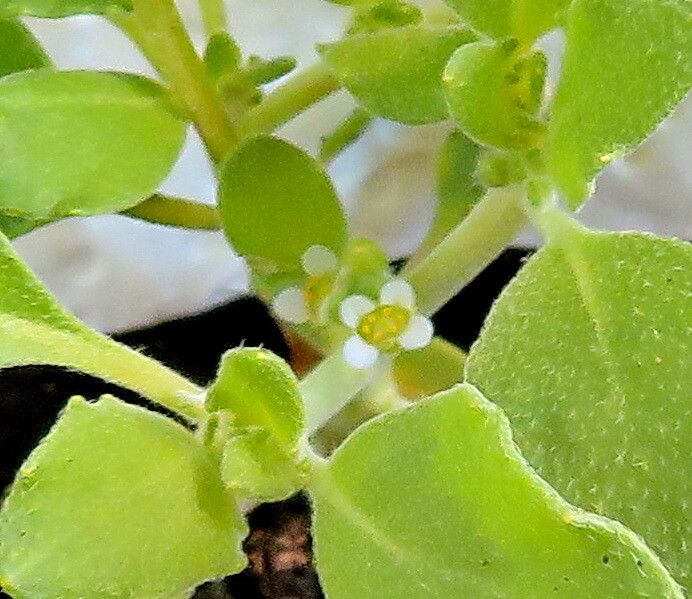
The Resurrection Plant: Unveiling the Propagation Secrets of Anastatica hierochuntica
The plant kingdom is a treasure chest of marvels, and few are as astonishing as the Anastatica hierochuntica, commonly known as the Rose of Jericho or the Resurrection Plant. This desert dweller boasts a seemingly magical ability – the power to resurrect itself from a seemingly lifeless, dried state. But beyond this captivating spectacle lies a fascinating story of survival and propagation that is just as compelling.
Native to the arid regions of North Africa and the Middle East, the Anastatica hierochuntica is a master of adaptation. Its life cycle revolves around a fascinating strategy for surviving extreme drought. During dry spells, the plant curls inward, forming a tight, brown ball, appearing utterly lifeless. In this desiccated state, it can remain dormant for years, patiently waiting for the life-giving touch of water.
And when the rains finally arrive, the transformation is nothing short of remarkable. The dried branches unfurl, revealing a vibrant green interior, as if by magic, the Rose of Jericho seemingly rises from the dead. This “resurrection,” however, is not a mystical occurrence but a brilliant example of nature’s ingenuity. The plant absorbs water, its cells rehydrating, triggering the unfolding mechanism and restarting its metabolic processes.
But the Rose of Jericho’s survival story goes beyond its individual resilience. This remarkable plant also employs strategic propagation methods to ensure the continuation of its species. While it doesn’t technically reproduce while in its dried state, the arrival of water triggers the release of seeds that were nestled within its branches, patiently waiting for the opportune moment. These seeds, in turn, are incredibly resilient, able to survive in the harsh desert environment for years, patiently waiting for their own opportunity to germinate.
Propagating Anastatica hierochuntica at home can be a rewarding experience, offering a front-row seat to nature’s magic. Here’s how you can witness this miracle yourself:
Bringing the Rose of Jericho Back to Life:
- Choose a Shallow Dish: Select a shallow dish or bowl to house your Rose of Jericho.
- Add Water: Fill the dish with lukewarm water, ensuring it’s enough to submerge the base of the plant.
- Witness the Transformation: Place the dried plant in the water and observe as it gradually unfurls, its green interior emerging within hours. You’ll notice the water turning brown—this is normal and is simply the plant releasing tannins.
- Fresh Water is Key: Change the water every day or two to prevent mold growth.
- Drying Out: After a week or so, allow the Rose of Jericho to dry out completely before rehydrating it. This cycle can be repeated indefinitely, offering endless wonder and a unique conversation starter for your home.
Propagating from Seed:
- Collect the Seeds: After rehydrating your plant, you may find tiny seeds within the branches. Carefully collect these for propagation.
- Prepare for Sowing: Sow the seeds in a well-draining potting mix, lightly pressing them into the surface.
- Provide Moisture and Light: Keep the soil consistently moist and place the pot in a bright location, but out of direct sunlight.
- Patience is Key: Germination can take a few weeks. Once the seedlings are established, thin them out to prevent overcrowding.
The Anastatica hierochuntica serves as a powerful reminder of nature’s tenacity and its incredible ability to adapt and thrive in the harshest of environments. By understanding its remarkable life cycle and propagation methods, we gain a deeper appreciation for the wonders of the natural world and our own connection to the web of life.