
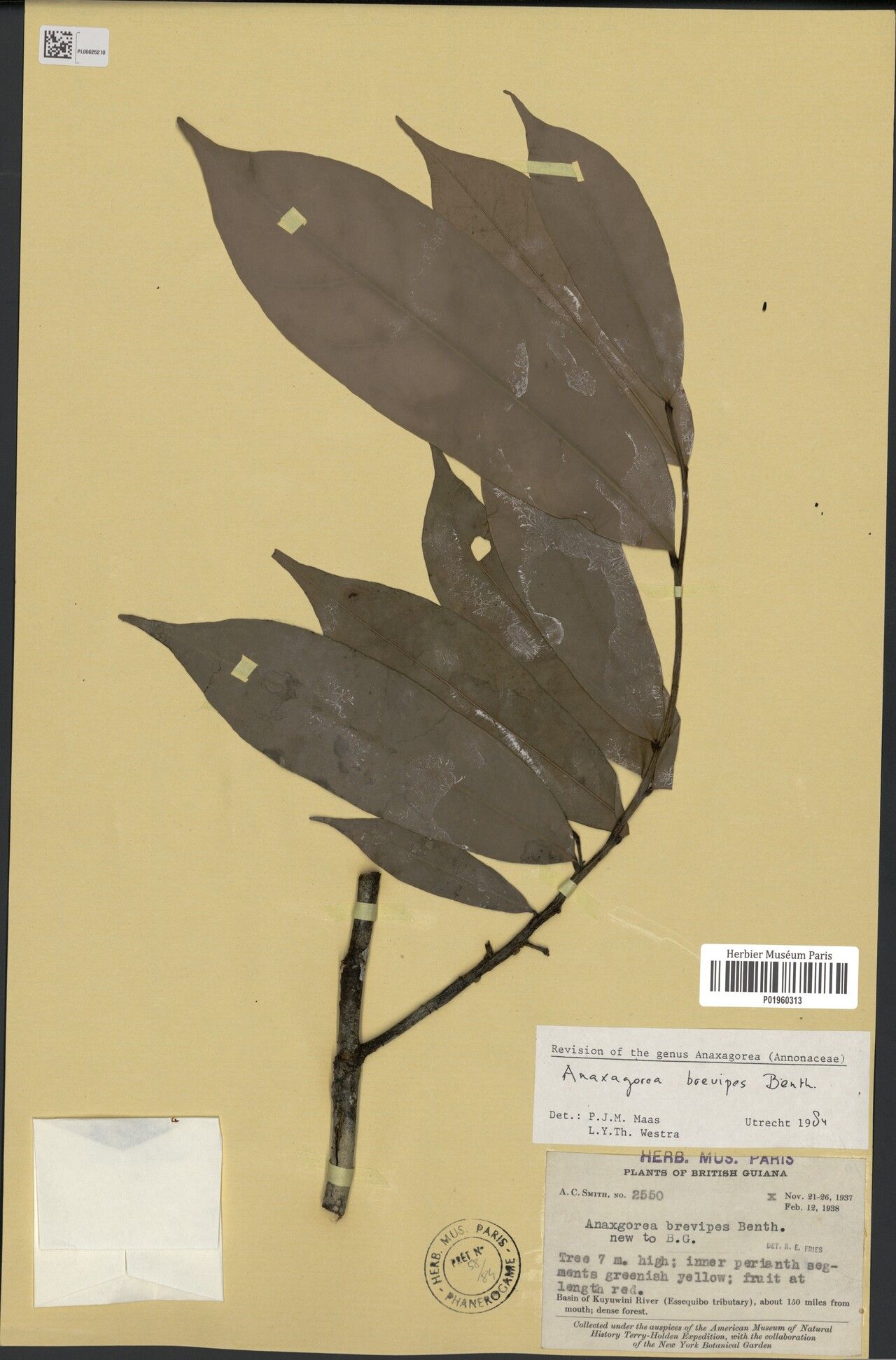
Unlocking the Secrets of Anaxagorea brevipes: A Propagation Guide
The world of rare and exotic plants holds a certain allure, doesn’t it? If you’re nodding your head “yes” and are looking to expand your plant family with something truly unique, then let me introduce you to Anaxagorea brevipes. This tropical gem, hailing from the Annonaceae family, boasts stunning glossy foliage and captivatingly peculiar flowers. But cultivating this beauty is not for the faint of heart. Ready to delve into the art of propagating Anaxagorea brevipes? Let’s unlock its secrets together.
Seeds: A Test of Patience
The most common method of propagating Anaxagorea brevipes is by seed. However, be warned: patience is paramount. Here’s a breakdown:
Sourcing: Obtaining viable seeds can be the first hurdle. Seek out reputable seed suppliers specializing in rare tropical plants or connect with botanical gardens and enthusiasts who might offer seeds.
Preparation: Anaxagorea brevipes seeds have a hard outer coating. To break their dormancy and encourage germination, soak them in warm water for 24-48 hours. You can gently nick the seed coat with a file to further enhance water absorption.
Sowing: Use a well-draining seed-starting mix. Sow the seeds about half an inch deep and keep them consistently moist but not waterlogged.
- Patience, Young Padawan: Germination is notoriously slow and can take anywhere from a few months to a year. Providing bottom heat (around 75-80°F) can help speed up the process.
Cuttings: A Quicker Route (Maybe!)
While seed propagation is more common, some enthusiasts have reported success with cuttings. This method tends to be quicker but requires more finesse. Here’s how:
Timing is Key: Take cuttings during the plant’s active growing season, ideally in spring or early summer.
Cut with Care: Select healthy, semi-hardwood stems. Make a clean cut just below a leaf node, using a sterilized blade. Remove leaves from the bottom third of the cutting.
Hormone Help: Dipping the cut end in rooting hormone can significantly improve success rates.
Create the Right Environment: Plant the cutting in a well-draining rooting mix. Maintaining high humidity around the cutting is crucial. You can achieve this by placing a plastic bag or humidity dome over the pot.
- Patience (Again!): It can take several weeks to a couple of months for roots to develop. Once you see new growth, it’s a sign that your cutting has successfully rooted.
Challenges and Rewards
Propagating Anaxagorea brevipes is undeniably challenging. Low germination rates, susceptibility to fungal diseases, and the need for specific environmental conditions can all test your patience.
However, the reward of witnessing a new plant emerge, whether from a seed or cutting, is incredibly fulfilling. Cultivating this rare species not only brings a touch of the tropics into your home but also plays a part in conserving a beautiful and fascinating plant.
So, are you ready to embark on this botanical adventure? With dedication, the right knowledge, and a healthy dose of patience, you too can experience the joy of propagating Anaxagorea brevipes.