
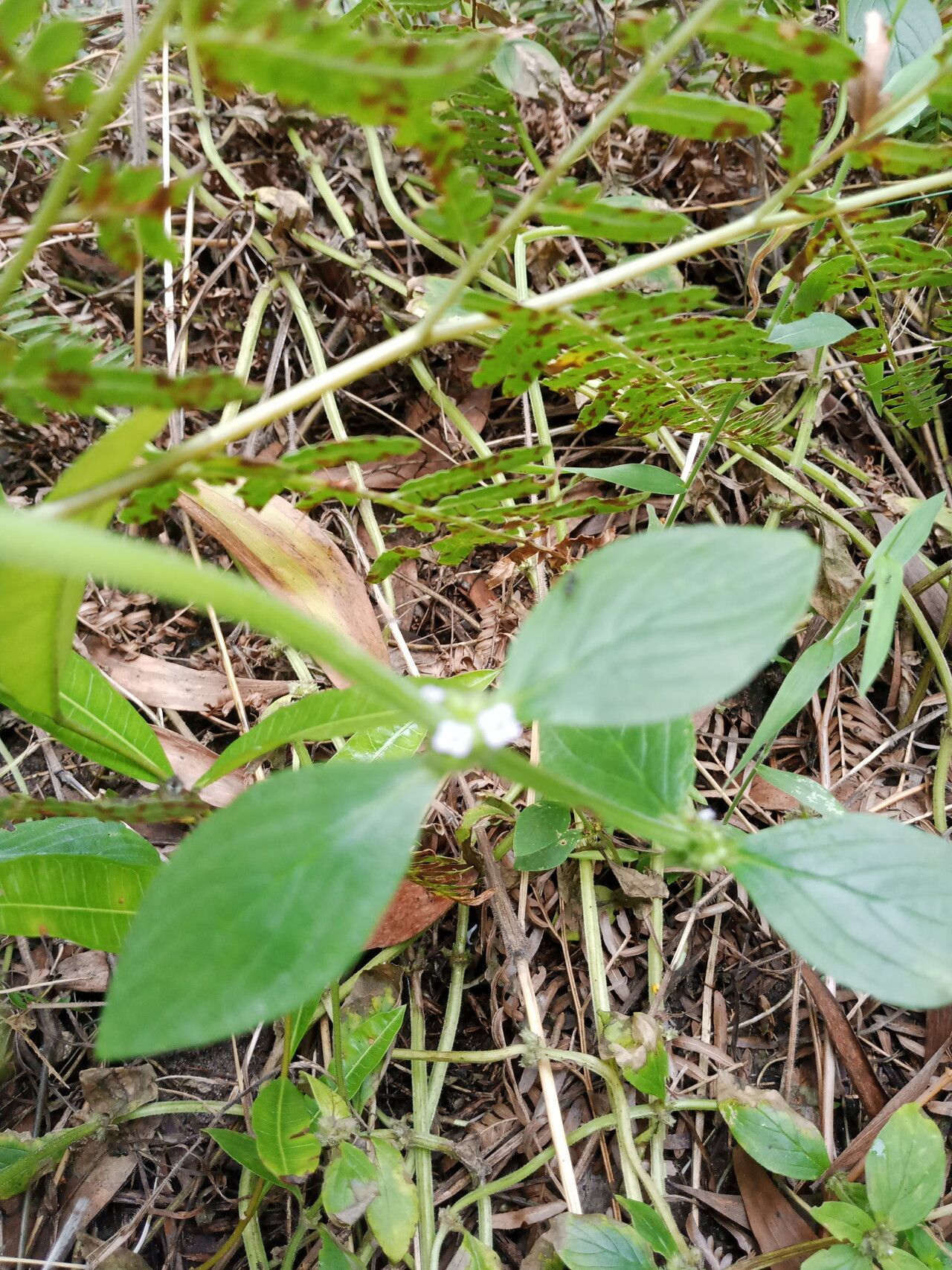
Spreading the Love: A Beginner’s Guide to Propagating False Buttonweed (Spermacoce latifolia)
False buttonweed (Spermacoce latifolia), despite its somewhat unfortunate name, is a charming plant with delicate white flowers and surprisingly tough nature. This low-growing groundcover, native to parts of the Americas, is gaining popularity for its resilience, adaptability, and ability to attract pollinators. If you’re looking to spread the love (and the greenery) in your garden, propagating false buttonweed is an easy and rewarding endeavor.
This guide will explore the two most common methods of propagation for Spermacoce latifolia:
1. Propagation by Seed:
False buttonweed readily produces seeds that can be collected and sown for new plants. Here’s how:
a) Seed Collection: Keep a close eye on your mature false buttonweed plants for the small, round seed pods that develop after flowering. Once the pods turn brown and dry, they’re ready to be harvested. Gently crush the pods to release the tiny seeds inside.
b) Sowing: You can sow the seeds directly into your garden bed after the last frost has passed, or start them indoors 6-8 weeks before the expected last frost.
Direct Sowing: Choose a sunny or partially shaded location with well-drained soil. Sprinkle the seeds on the surface and lightly press them into the soil. Keep the soil consistently moist until the seedlings emerge, which typically takes 1-2 weeks.
- Indoor Sowing: Fill seed trays or pots with a well-draining seed starting mix. Sow the seeds sparingly and cover them lightly with soil. Place the trays in a warm, bright location, and keep the soil consistently moist. Once the seedlings have developed a couple of true leaves, you can transplant them to larger individual pots or directly into your garden.
2. Propagation by Division:
For established clumps of false buttonweed, division is a quick and effective method to create new plants. Here’s how:
a) Digging Up: In early spring or fall, carefully dig around the perimeter of the clump you want to divide. Use a garden fork or shovel to gently lift the entire clump from the ground.
b) Dividing: Shake off any loose soil and examine the root system. You can either gently tease apart individual plantlets or use a sharp, clean knife to cut the clump into sections, ensuring each section has a healthy set of roots and stems.
c) Replanting: Choose a suitable location in your garden and dig holes slightly larger than the root systems of your divisions. Plant the divisions at the same depth they were originally growing. Water them generously and keep the soil consistently moist until they establish themselves.
Tips for Success:
- False buttonweed thrives in full sun to partial shade, so choose a location that offers a balance.
- While generally drought-tolerant once established, provide regular watering for young plants.
- This plant isn’t fussy about soil but prefers well-drained conditions.
- Deadhead spent flowers to encourage more blooms and prevent excessive self-seeding.
With its delicate beauty, hardiness, and ease of propagation, false buttonweed (Spermacoce latifolia) deserves a spot in any gardener’s repertoire. Whether you choose to propagate by seed or division, remember to provide the basic care it needs to flourish. Soon, you’ll have a thriving patch of this charming groundcover, attracting pollinators and spreading its unique charm throughout your garden.