
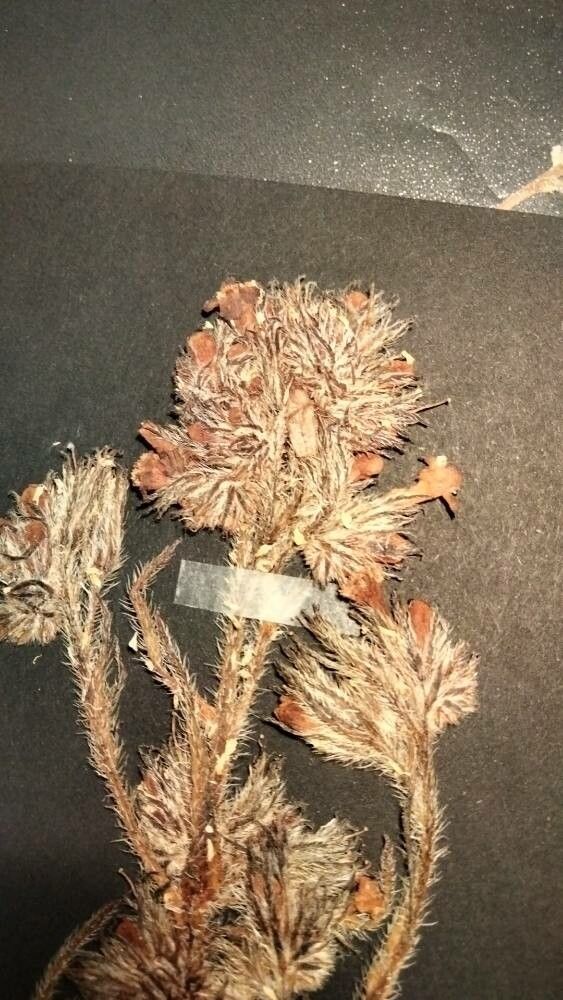
From Seed to Blooms: A Guide to Propagating Anchusa leptophylla, the “Forget-Me-Not” of the Mediterranean
Anchusa leptophylla, with its delicate blue flowers and feathery foliage, adds a touch of Mediterranean charm to any garden. Often called the “Forget-Me-Not” of the Mediterranean, this plant boasts a long bloom period and delightful fragrance attracting pollinators. But the best part? Anchusa leptophylla is incredibly easy to propagate, allowing you to share its beauty with friends or expand your own garden.
Seeds: The Easiest Route to New Plants
Anchusa leptophylla readily propagates from seeds, offering a simple and rewarding way to start new plants. Here’s what you need to know:
- Timing is Key: Sow seeds directly outdoors in spring or fall. They need a cool period for germination, so direct sowing is recommended, especially in temperate climates.
- Preparing the Ground: Loose, well-drained soil is ideal. Prepare the seedbed by raking the surface to create a fine seedbed.
- Sowing: Space seeds about 12 inches apart and lightly cover them with soil. Water gently but thoroughly.
- Germination: Expect germination in about 2-3 weeks. Thin seedlings to the strongest once they have a few true leaves.
Cuttings: A Quick Path to Blooms
For faster results, you can propagate Anchusa leptophylla from cuttings. Follow these steps:
- Choose Your Cuttings: Take semi-hardwood cuttings in the spring or early summer. Select stems that are about 4-6 inches long and have a few sets of leaves.
- Prepare the Cuttings: Remove the lower leaves and make a clean cut just below a node (where leaves grow). Dip the cut end in rooting hormone to encourage root growth.
- Planting: Insert the cuttings into a pot filled with moist, well-draining potting mix. Keep the cuttings in a bright but shaded location and maintain consistent moisture.
- Roots & Re-Potting: Roots should develop within a few weeks. Once the cutting has established a root system, you can gradually acclimate it to full sun and then re-pot into a larger pot or plant it directly in the garden.
Important Tips for Success
- Light and Moisture: Anchusa leptophylla prefers full sun to partial shade and well-drained soil. Ensure the soil is kept consistently moist, particularly during the establishment phase.
- Fertilizer: A light application of balanced fertilizer during the growing season can help promote healthy growth.
- Deadheading: Regular deadheading of spent flowers will encourage more flowering.
From a Few Seeds to a Garden Full of Blooms
With its ease of propagation, Anchusa leptophylla is a rewarding and delightful plant to add to any garden. Whether you choose the seed method for a slower but more natural growth or opt for the speedier cutting approach, you can enjoy the vibrant blue blooms and captivating fragrance of this Mediterranean gem.