
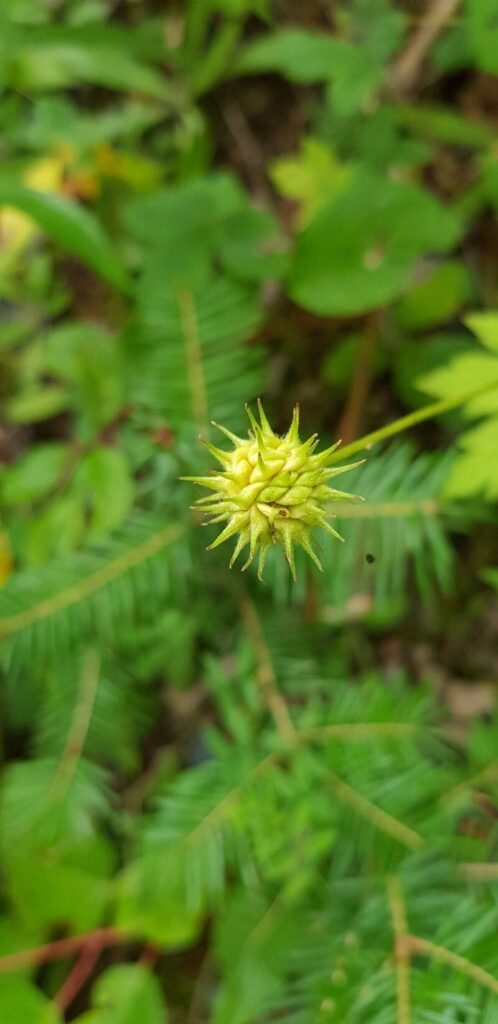
Propagating Canada Anemone: A Gardener’s Guide to Anemonastrum canadense
Introduction:
Anemonastrum canadense, commonly known as Canada anemone, is a charming native North American wildflower prized for its delicate, white, bowl-shaped blossoms and attractive, finely divided foliage. Its airy presence adds a touch of ethereal beauty to woodland gardens and naturalized areas, making it a popular choice among gardeners seeking low-maintenance, ecologically friendly additions to their landscapes. While relatively easy to establish once planted, propagating Canada anemone can present unique challenges, demanding patience and attention to detail. Its propagation methods offer varying degrees of success, requiring different approaches based on the chosen technique.
Seed Germination:
Seed germination is a viable, albeit challenging, method for propagating Anemonastrum canadense. The seeds require a period of cold stratification to break dormancy, mimicking the natural winter conditions they would experience in the wild.
Challenges: Canada anemone seeds have low germination rates, and the process can be slow and unpredictable. Improper stratification or sowing techniques can significantly reduce success.
Practical Tips: Collect seeds as they mature in late summer/early autumn. Mix the seeds with moist vermiculite or peat moss and store them in a sealed bag in the refrigerator for 3-4 months (stratification). Sow the stratified seeds outdoors in a well-drained seedbed in early spring or fall. Maintain consistent moisture but avoid overwatering, as this can lead to fungal diseases.
Rewards: Successfully germinating seeds allows for the creation of genetically diverse plants, leading to greater resilience in the population. This method is also ideal for large-scale propagation, especially for conservation or restoration projects.
Cuttings:
Currently, there are no known reliable methods for propagating Anemonastrum canadense via cuttings. The plant does not readily root from stem or leaf cuttings.
Division:
Division is a relatively straightforward and successful method for propagating Canada anemone.
Challenges: Division is best done in early spring or autumn when the plant is actively growing or entering dormancy. Care must be taken not to damage the delicate roots during the process.
Practical Tips: Carefully dig up a mature clump of Canada anemone. Gently separate the clump into smaller divisions, ensuring each division has healthy roots and several buds. Replant the divisions immediately, ensuring adequate spacing and maintaining consistent moisture.
Rewards: Division offers a quick and efficient way to increase the number of plants, resulting in a faster expansion of the population in your garden. It also maintains the genetic characteristics of the parent plant.
Tissue Culture:
While not commonly practiced by home gardeners, tissue culture propagation is potentially a viable method for Anemonastrum canadense.
Challenges: This technique requires specialized equipment, sterile conditions, and expertise in plant tissue culture. It is a more expensive and technically challenging method than division or seed germination.
Practical Tips: This method requires a controlled environment with specialized media and growth regulators. This is not suitable for home propagation.
Rewards: Tissue culture enables large-scale propagation of genetically uniform plants, potentially valuable for commercial applications or conservation efforts, offering rapid multiplication of desirable genotypes free of pathogens.
Conclusion:
Propagating Anemonastrum canadense presents a spectrum of challenges and rewards, depending on the chosen method. While seed germination offers genetic diversity but low success rates, division is a more reliable and easier method for the home gardener. Cuttings prove unreliable, and tissue culture requires advanced techniques. The satisfaction derived from successfully cultivating Canada anemone from seed or by division, overcoming the inherent challenges, is immense. The delicate beauty of this native wildflower is a testament to the patience and commitment of the gardener, making the process a deeply rewarding experience. For home gardeners, focusing on division is the most recommended approach. If you are adventurous, experimenting with seed germination, while understanding its unpredictable nature, can be a rewarding challenge. Remember patience and meticulous attention to detail are key to success with any chosen method.