
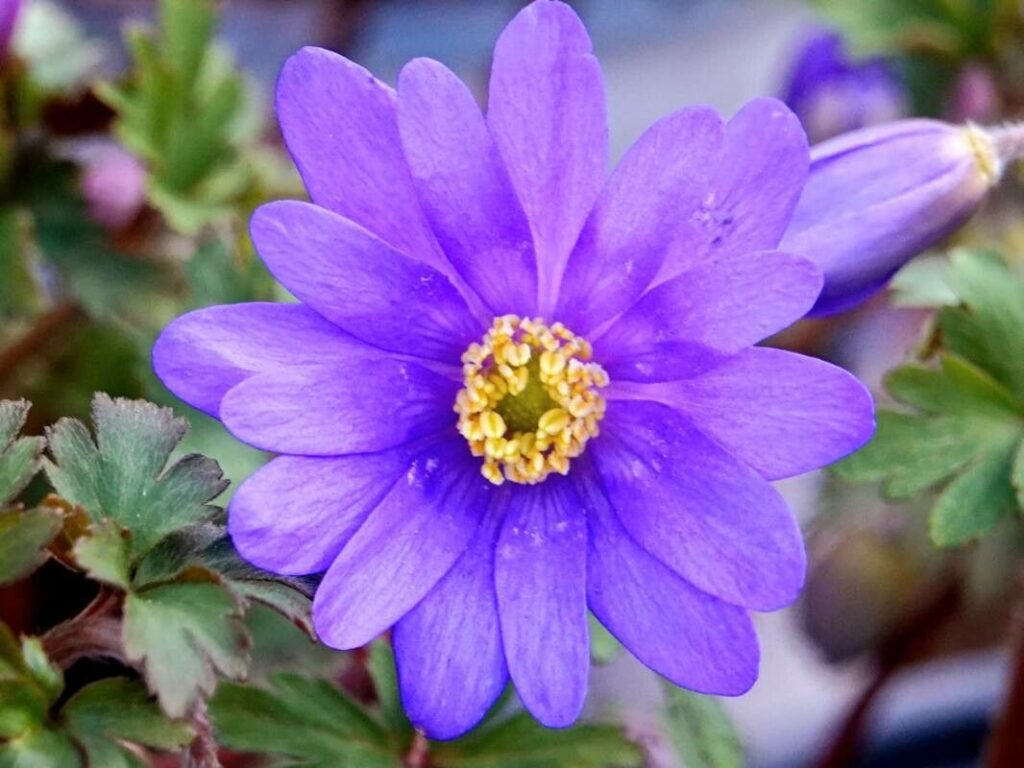
Unleash a Carpet of Color: Propagating Grecian Windflowers (Anemonoides blanda)
The Grecian windflower, also known as Anemonoides blanda, is a delightful harbinger of spring, unfurling its daisy-like blooms in a stunning array of blues, pinks, purples, and whites. These low-growing, tuberous perennials, native to southeastern Europe, are not only beautiful but also surprisingly easy to propagate, allowing you to expand your flowerbeds with ease or share their captivating charm with friends and family.
There are two primary methods for propagating Anemonoides blanda: dividing tubers and sowing seeds. Let’s explore each technique:
1. Tuber Division: Multiplying Your Floral Bounty
Dividing established clumps is the most straightforward and effective way to propagate Grecian windflowers. This method ensures you replicate the exact characteristics of the parent plant, including its flower color. The ideal time for division is during the plant’s dormant period, typically in late summer or early fall after the foliage has withered and died back.
Here’s how to divide Anemonoides blanda tubers:
- Dig Carefully: Gently lift the clump of tubers from the ground using a garden fork, taking care not to damage the brittle tubers.
- Separate Gently: Carefully tease apart the tubers, ensuring each division has at least one growth point (a small nub or protrusion).
- Replant Immediately: Replant the divided tubers about 2 inches deep and 6-8 inches apart in well-drained soil amended with compost. Water thoroughly after planting.
2. Seed Sowing: Embracing the Element of Surprise
Propagating Anemonoides blanda from seed is an adventurous route. While slightly less predictable than tuber division, it offers the possibility of new and exciting color variations. Be aware that seeds collected from hybrid varieties might not produce offspring true to the parent plant.
Follow these steps for successful seed propagation:
- Seed Collection: Allow the seed heads to dry on the plant completely. Gently crush the dried heads to release the seeds.
- Cold Stratification: Anemonoides blanda seeds need a period of cold treatment to break dormancy. You can either sow seeds directly in the fall for natural stratification or simulate the process by storing them in a moist paper towel inside a sealed plastic bag in the refrigerator for 4-6 weeks.
- Sowing: In spring or after stratification, sow seeds in seed trays filled with a seed-starting mix, lightly pressing them onto the surface. Cover with a thin layer of vermiculite and keep consistently moist.
- Transplanting: Once seedlings develop several sets of true leaves, harden them off gradually before transplanting them outdoors in a partly shaded location with well-drained soil.
Tips for Success:
- Choose the Right Location: Grecian windflowers thrive in partial shade, especially in hotter climates, and prefer well-drained soil that doesn’t become waterlogged.
- Water Wisely: Water regularly during the growing season, but avoid overwatering, which can lead to tuber rot.
- Deadhead Spent Blooms: Snip off faded flowers to encourage more prolific blooming and prevent self-seeding.
- Be Patient: It might take a season or two for newly propagated plants to establish themselves and bloom fully.
With a little effort and care, you can propagate your charming Grecian windflowers, creating a captivating spectacle of color that returns year after year. Whether you choose to divide established tubers or embark on the adventure of seed propagation, the reward will be a garden brimming with these delightful and easy-to-grow spring ephemerals.